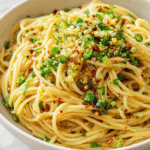
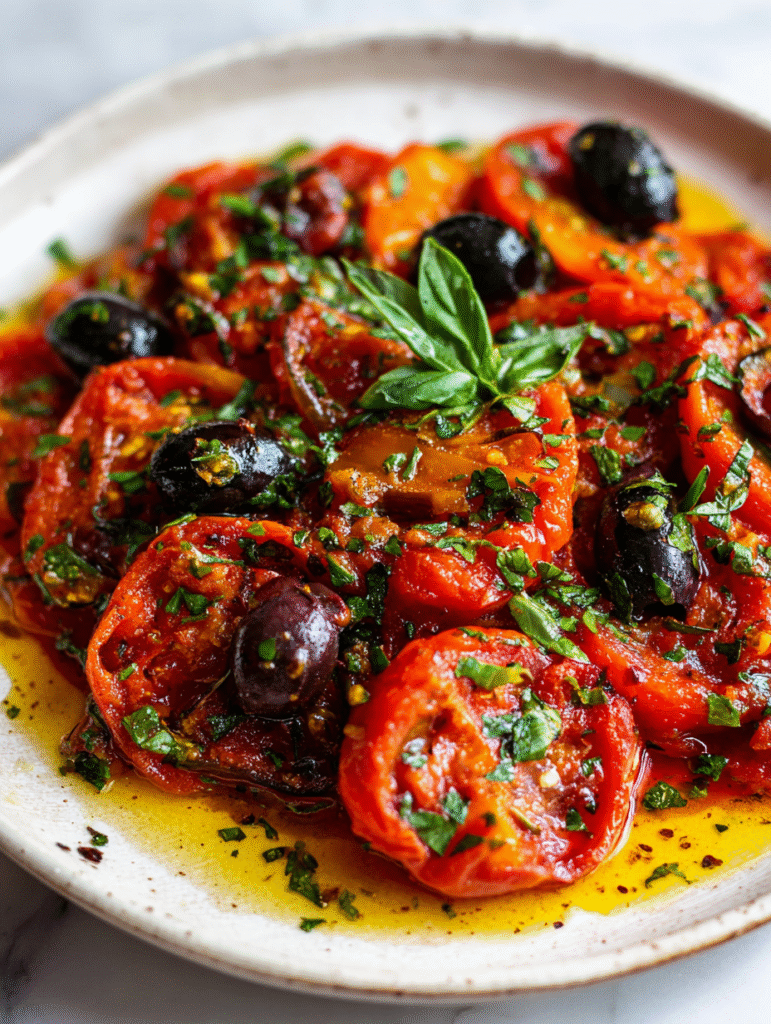
Vegan puttanesca is my go-to when I crave that punchy, briny flavor without any compromise. It’s a dish that reminds me how simple ingredients—olive brine, smoky capers, sun-ripened tomatoes—can come together in a vibrant, satisfying way. There’s something about that salty, umami hit that feels just right, even without cheese or anchovies.
I love making this dish on busy weeknights when I want quick, bold flavors that don’t weigh me down. It’s a bit chaotic to get everything simmering at once—pasta, sauce, herbs—but that’s part of the charm. Plus, it’s endlessly adaptable, so I can toss in whatever pantry staples I have floating around. No fuss, just a plate of lively, plant-based goodness.
Focusing on the bold, briny punch of traditional puttanesca but reimagined with all vegan ingredients, highlighting the contrast between smoky olives and sun-ripened tomatoes, making it accessible for plant-based purists who miss that umami kick.
The story behind this recipe
- This recipe came together one rainy afternoon when I was craving that punch of briny, smoky flavors but wanted to keep it all plant-based. I started experimenting with different olives, capers, and sun-dried tomatoes, aiming for that bold, salty umami that anchovies usually provide. It’s funny how a few simple ingredients can evoke memories of seaside markets and warm summer nights in Italy.
- I remember the first time I nailed the flavor—standing in my tiny kitchen, the smell of garlic and olives filling the air, feeling a quiet pride in making something that felt indulgent but was entirely vegan. It’s become my quick, go-to dish when I want something lively and satisfying, no fuss required.
- heading: ‘The story behind this recipe’
Key ingredients and tips
- Olives: I love using a mix of kalamata and nicoise for that punchy, briny flavor that really wakes up the dish; opt for pitted for easier chopping, but don’t skip tasting for saltiness.
- Capers: They add a smoky, tangy punch I crave in puttanesca; rinse well if you want less salt, or keep the brine for a deeper flavor—your call.
- Sun-dried tomatoes: I prefer the chewy, intensely sweet ones packed in oil; rehydrate in warm water if dry, or use the oil for extra richness and a splash of color.
- Tomatoes: Ripe cherry or diced canned San Marzano tomatoes both work; fresh brings a bright, slightly sweet note, while canned offers a deep, concentrated base—think about what mood you want.
- Garlic: I mash mine into a paste—more even flavor distribution—and love the way it crackles and perfumes the oil; don’t rush the sauté until fragrant, about 30 seconds on medium heat, then add the rest.
- Olive oil: Extra virgin, naturally—its grassy, peppery notes really carry the dish; a good splash at the start really helps build flavor, but don’t drown it—balance is key.
- Pasta: I usually go for spaghetti or linguine—long strands soak up all those savory oils and briny bits; cook just shy of al dente, then toss with sauce to finish—residual heat will soften perfectly.
Spotlight on key ingredients
Olives and sun-dried tomatoes:
- Kalamata olives: I love their deep, smoky brine that adds punch; chop finely for even distribution, but taste first to gauge salt.
- Sun-dried tomatoes: Their chewy, concentrated sweetness and oily richness bring a vibrant umami; rehydrate if dry or use the oil for extra flavor.
Notes for ingredient swaps
- Olives: Swap kalamata for green Castelvetrano for a milder, buttery flavor—less punchy, still briny.
- Capers: Use pickled green peppercorns if you want a less salty, slightly sweeter tang.
- Sun-dried tomatoes: Dried cherry tomatoes give a sweeter, less chewy texture—skip the oil-packed ones if you prefer a milder flavor.
- Tomatoes: Fresh heirloom or heirloom cherry tomatoes add a bright, juicy note—canned San Marzano offers depth and richness.
- Garlic: Roasted garlic provides a mellow, caramelized sweetness—use raw for more punch and pungency.
- Olive oil: Light avocado oil can replace olive oil—less grassy, but still good for cooking the sauce.
- Pasta: Gluten-free spaghetti or zucchini noodles work—different textures, but still soak up the flavor well.
Equipment & Tools
- Large skillet: To cook the sauce evenly and toss the pasta.
- Wooden spoon: To stir ingredients and prevent sticking.
- Sharp knife: To chop olives, sun-dried tomatoes, and herbs.
- Cutting board: To prepare ingredients safely and efficiently.
- Large pot: To boil pasta quickly and efficiently.
Step-by-step guide to vegan puttanesca
- Gather your equipment: a large skillet (about 25 cm / 10 inches), a wooden spoon, a sharp knife, and a cutting board. Fill a large pot with water, add a pinch of salt, and bring to a boil (about 100°C / 212°F).
- Start the sauce: heat 2-3 tablespoons of olive oil over medium heat (about 160°C / 320°F). Add 3-4 minced garlic cloves, cook until fragrant, about 30 seconds, until they crackle and turn lightly golden.
- Add the chopped olives (about ½ cup kalamata, pitted), 2 tablespoons capers, and ¼ cup sun-dried tomatoes (chopped). Stir and cook for 2 minutes, letting the flavors meld. The mixture should smell smoky and briny.
- Pour in 1 can (400g) of diced tomatoes or 1 cup chopped fresh cherry tomatoes. Stir well. Reduce heat slightly (about 140°C / 285°F). Simmer uncovered for 15 minutes, stirring occasionally. The sauce should thicken slightly and develop a rich, inviting aroma.
- Meanwhile, cook your pasta: add spaghetti or linguine (about 400g) to boiling water. Cook until just shy of al dente, about 8 minutes. Drain, reserving a cup of pasta water.
- Taste the sauce: it should be vibrant, salty, with a smoky complexity. If it tastes flat, add a pinch more salt or a splash of the pasta water to loosen it. If it’s too salty, a squeeze of lemon juice brightens the dish.
- Combine: toss the cooked pasta directly into the skillet with the sauce. Mix well, adding reserved pasta water if needed to loosen. Cook together for 1-2 minutes until heated through and the flavors meld.
- Finish with fresh herbs: sprinkle chopped parsley or basil, toss again, and let sit for 2 minutes. The pasta should glisten and smell bright, with a hint of smoky brine in every bite.
- Rest and plate: let the pasta sit off heat for 1 minute before serving. Plate generously, maybe finish with a drizzle of olive oil or a few extra olives for texture.
Let the pasta sit off heat for a minute. Finish with a drizzle of good olive oil and extra herbs if desired. Serve immediately, making sure each plate has a balance of briny, smoky, and bright flavors.
How to Know It’s Done
- Sauce thickens slightly and smells smoky and briny.
- Pasta is just shy of al dente but tender enough to absorb flavors.
- Pasta water added creates a silky, cohesive sauce that clings to noodles.
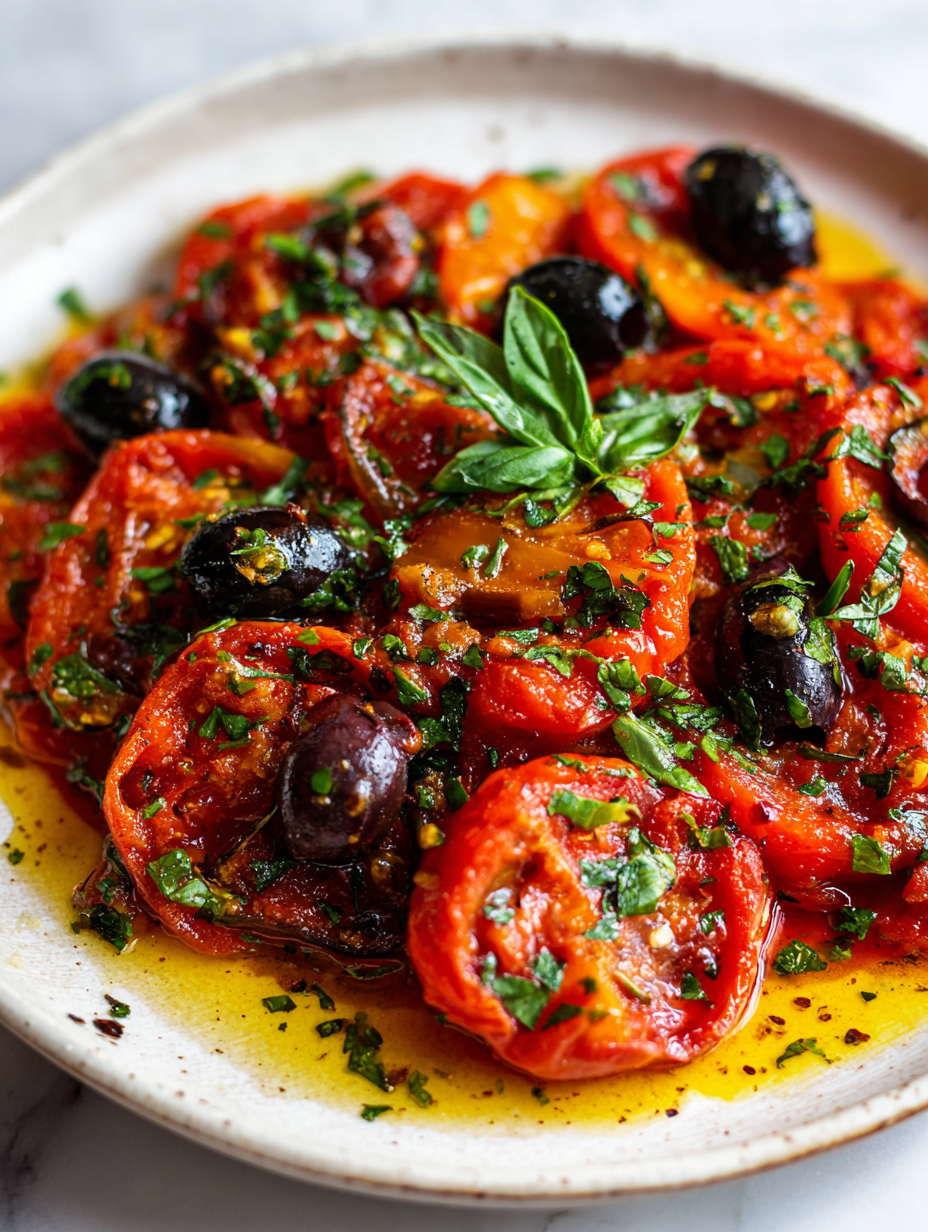
Vegan Puttanesca
Ingredients
Equipment
Method
- Bring a large pot of salted water to a boil, then add spaghetti or linguine and cook until just shy of al dente, about 8 minutes. Drain and set aside.
- While pasta cooks, heat 3 tablespoons of olive oil in a large skillet over medium heat until shimmering and fragrant.
- Add the minced garlic to the skillet and sauté for about 30 seconds until it becomes fragrant and lightly golden, making your kitchen smell inviting.
- Add the chopped olives, capers, and sun-dried tomatoes to the skillet. Stir well and cook for 2 minutes, allowing the flavors to meld and the mixture to become aromatic and slightly pulpy.
- Pour in the canned diced tomatoes or fresh chopped cherry tomatoes. Stir everything together, reduce the heat to medium-low, and simmer uncovered for about 15 minutes, stirring occasionally, until the sauce thickens and deepens in color.
- Taste the sauce and add salt and pepper as needed, adjusting for saltiness and brightness. If it’s too salty, a squeeze of lemon can help balance the flavors.
- Add the cooked pasta to the skillet, tossing gently to coat each strand thoroughly in the vibrant sauce. If the mixture feels thick, splash in a little reserved pasta water to loosen it up and help the sauce cling.
- Cook together for another 1-2 minutes over low heat, allowing the flavors to meld and the pasta to soak up the savory, briny goodness.
- Transfer the pasta to serving plates, sprinkle with freshly chopped parsley or basil, and finish with a drizzle of olive oil for extra richness and shine.
- Serve immediately while hot, enjoying the lively, punchy flavors and the satisfying texture of the pasta coated in that bold, briny sauce.
Pro tips for vegan puttanesca
- Use high-quality olives for a punchy, briny flavor that really wakes up the dish.
- Sauté garlic until fragrant and golden—this releases its sweet, nutty aroma and prevents bitterness.
- Add pasta water gradually to loosen the sauce—starchy water helps it cling and develop a silky texture.
- Chop sun-dried tomatoes finely—this ensures even distribution and a burst of concentrated sweetness in every bite.
- Cook the sauce on medium heat; too high can burn garlic or reduce the sauce too quickly, losing depth.
- Taste and adjust salt at the end—briny ingredients can vary in saltiness, and a squeeze of lemon brightens everything.
- Toss pasta directly into the sauce while hot—this allows flavors to meld and the pasta to soak up all that savory goodness.
Common mistakes and how to fix them
- FORGOT to add salt early → Season with salt during sauté for deeper flavor.
- DUMPED the pasta water too early → Reserve some for adjusting sauce consistency.
- OVER-TORCHED the garlic → Sauté on medium, watch for golden aroma, not burnt smell.
- FAILED to taste test the sauce → Always taste for salt and acidity before combining with pasta.
Quick fixes and pantry swaps
- If sauce is too thick, splash in hot pasta water to loosen and shimmer.
- When olives taste dull, add a splash of brine or lemon to brighten.
- Splash extra olive oil if sauce crackles and looks dull after simmering.
- Patch over-salted sauce with a squeeze of fresh lemon or a splash of water.
- Shield delicate pasta by tossing gently to avoid breaking, especially when reheating.
Prep, store, and reheat tips
- Chop olives, sun-dried tomatoes, and herbs a day ahead to save time and enhance flavors; store in airtight containers in the fridge, where they’ll stay fresh for up to 2 days, and the oils will deepen in flavor.
- Prepare the sauce up to 1 day in advance; keep it covered in the fridge. The briny, smoky aroma will mellow slightly but still pack a punch when reheated.
- Cook pasta just shy of al dente, drain, and toss with a teaspoon of olive oil to prevent sticking. Store in an airtight container for up to 24 hours; reheat slowly to avoid over-softening.
- Reheat the sauce gently over low heat, stirring often, until steaming and fragrant again. The flavors will intensify, with the smoky, briny notes becoming even more pronounced.
- For best flavor, serve the dish within 24 hours of reheating. The oil and salt levels may intensify, so taste and adjust with a splash of lemon or water if needed, until it feels lively and balanced.
Top questions about vegan puttanesca
1. What olives work best for flavor?
Use a mix of smoky kalamata and Nicoise olives for depth, or just one kind if you prefer a milder brine. The olives should be firm and briny, adding that punchy flavor.
2. Should I rinse capers?
Rinse capers well if you want less saltiness, but keeping the brine adds extra smoky tang. Rinsing also reduces the salty punch for sensitive palates.
3. How do I prepare sun-dried tomatoes?
Sun-dried tomatoes bring a chewy, concentrated sweetness and oily richness. Rehydrate dried ones briefly in warm water if dry, or use packed-in-oil types for more flavor.
4. Fresh or canned tomatoes?
Fresh tomatoes add a bright, juicy note, while canned San Marzano tomatoes give a deep, savory base. Use whichever you have for different flavor profiles.
5. What olive oil should I use?
Use high-quality extra virgin olive oil for that grassy, peppery aroma. It carries the dish’s flavor, so don’t skimp on good oil.
6. How should I cook the pasta?
Cook pasta just shy of al dente—about 8 minutes—so it absorbs the sauce perfectly without turning mushy. Reserve some pasta water to loosen the sauce if needed.
7. How do I know when the sauce is done?
Simmer the sauce until it thickens slightly and smells smoky and briny. It should cling to the pasta, with a vibrant flavor and a rich aroma.
8. Can I substitute olives?
For a milder, buttery flavor, swap kalamata olives for green Castelvetrano olives. They are less intense but still briny and creamy.
9. Should I use roasted or raw garlic?
Roasted garlic offers a mellow, caramelized sweetness, while raw garlic provides punch and pungency. Choose based on your flavor preference.
10. What if my sauce is too salty?
If the sauce is too salty, add a squeeze of lemon or a splash of water to brighten and balance the flavors before serving.
This dish captures that salty, smoky punch I crave, especially on nights when I want something quick and satisfying. It’s funny how a handful of olives and sun-dried tomatoes can turn a simple pasta into something full of personality.
Making this puttanesca reminds me that sometimes, the boldest flavors come from the simplest ingredients. It’s a dish I keep coming back to, especially when I need a reminder that plant-based can be lively and deeply satisfying.
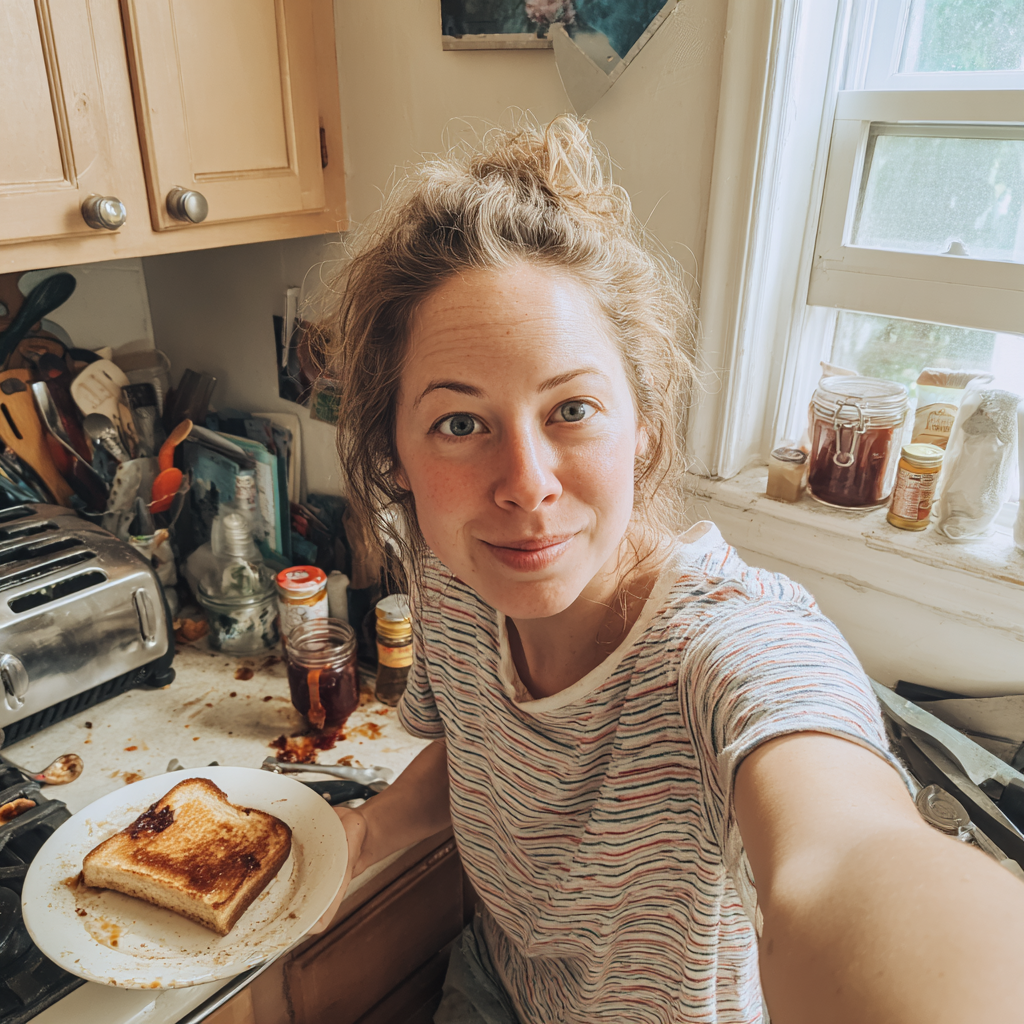
Hi, I’m Lily Ashworth – and if you’ve ever cried over a burnt grilled cheese or served cereal for dinner after a kitchen disaster, you’re in the right place. The phrase “say a little prayer for the burnt toast” became a family joke – something we’d mutter while scraping crumbs into the sink and laughing at yet another kitchen misadventure.