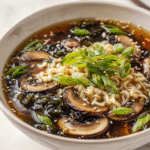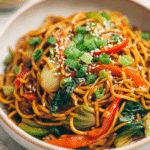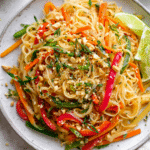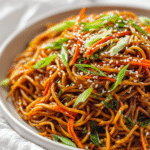
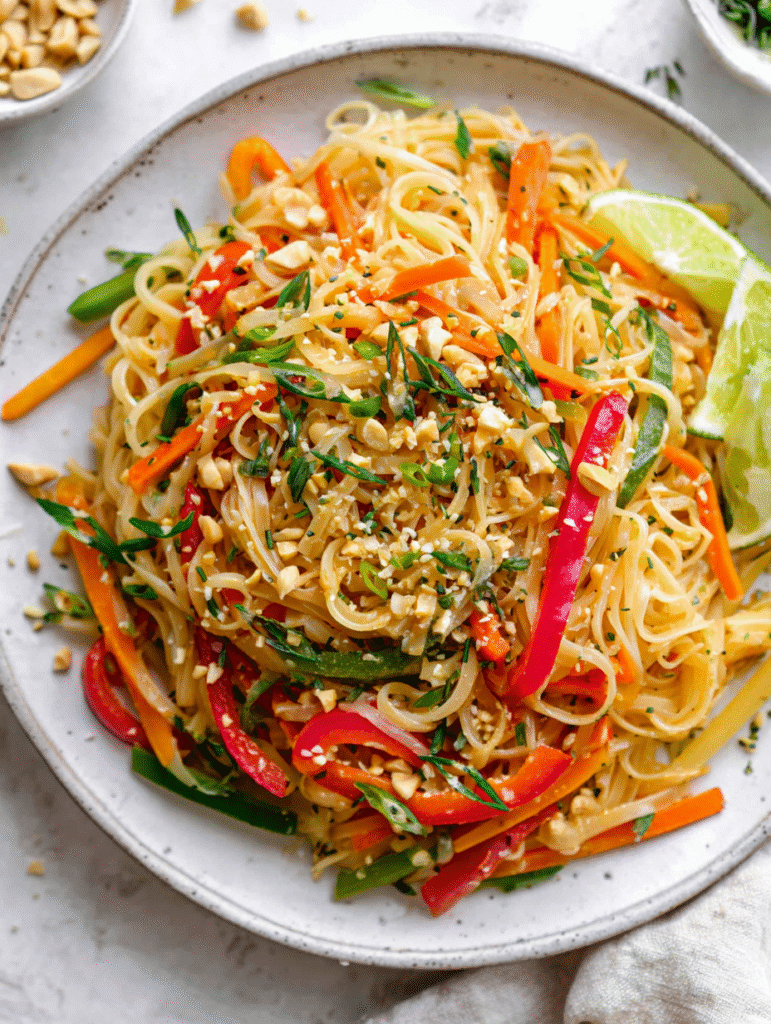
Vegan Pad Thai is one of those dishes that feels like a warm hug in a bowl, especially when you’re craving bold flavors without the heaviness of traditional ingredients. I love how the smoky tang of tamarind and the crunch of fresh veggies come together, creating a harmony that keeps me coming back for more. It’s a dish that surprises you every time—layered, textured, and bursting with flavor, yet simple enough to throw together on a weeknight.
What makes this recipe stand out is how I focus on balancing those smoky, charred notes with crisp, bright textures. The secret is in the layering—starting with a good stir-fry of tofu and aromatics, then tossing in the noodles and finishing with a squeeze of lime and a handful of peanuts. It’s a dance of flavors that makes every bite feel satisfying and fresh, even in a plant-based version.
This dish isn’t just about the flavors—it’s about the process of building them, one step at a time. I’ve found that paying attention to how the ingredients change in the pan—how the tofu gets that perfect golden crust, how the veggies stay crisp—makes all the difference. Vegan Pad Thai is my go-to when I want something quick, vibrant, and deeply comforting, no matter the season.
Focusing on how to balance bold, smoky flavors with fresh, crisp textures in vegan pad thai, highlighting the importance of layering flavors and textures for a truly satisfying plant-based dish.
The story behind this recipe
- I stumbled upon this recipe during a chaotic week when I needed something quick, nourishing, and full of flavor. The first time I made it, I was surprised how a simple mix of ingredients could turn into such a vibrant, satisfying dish. It’s become my go-to for busy nights when I want comfort without sacrificing freshness or ethics.
- One particular evening, I remembered a street vendor in Bangkok who used to toss noodles with smoky, charred aromatics right over an open flame. That memory pushed me to focus on those deep, slightly bitter smoky notes in my own version. It’s funny how a smell or a taste can transport you back to a bustling street corner, even in your tiny kitchen.
- heading: The story behind this recipe
Ingredient breakdown
- Rice noodles: I prefer using thin, flat rice noodles — they soak up the sauce beautifully and offer a chewy bite. Skip thick ones if you want that authentic feel.
- Tofu: I like firm tofu pressed well — it gets that satisfying crispy exterior. Marinate it briefly in soy and a dash of smoked paprika for extra smoky depth.
- Tamarind paste: This is the core of the sour punch—smoky, tangy, and a little gooey. If you can’t find it, a splash of lime juice mixed with a touch of molasses can mimic the flavor.
- Peanuts: Roasted, salted peanuts add crunch and a nutty richness—crush them just before serving so they stay crisp. For a twist, try cashews or sunflower seeds.
- Veggies: Carrots, bean sprouts, and scallions keep it fresh and crunchy. I like adding thinly sliced bell peppers for color and sweetness—brightens every bite.
- Lime: Bright, zesty, and essential for that fresh finish. Squeeze it just before serving to keep the citrus sharp and lively. Replace with lemon if needed, but lime is best.
- Soy sauce: I use a good-quality, low-sodium soy to balance saltiness without overpowering. For gluten-free, coconut aminos work well and add a subtle sweetness.
Spotlight on key ingredients
Tamarind:
- Rice noodles: I prefer using thin, flat rice noodles — they soak up the sauce beautifully and offer a chewy bite. Skip thick ones if you want that authentic feel.
- Tofu: I like firm tofu pressed well — it gets that satisfying crispy exterior. Marinate it briefly in soy and a dash of smoked paprika for extra smoky depth.
- Tamarind paste: This is the core of the sour punch—smoky, tangy, and a little gooey. If you can’t find it, a splash of lime juice mixed with a touch of molasses can mimic the flavor.
Peanuts & Lime:
- Peanuts: Roasted, salted peanuts add crunch and a nutty richness—crush them just before serving so they stay crisp. For a twist, try cashews or sunflower seeds.
- Veggies: Carrots, bean sprouts, and scallions keep it fresh and crunchy. I like adding thinly sliced bell peppers for color and sweetness—brightens every bite.
- Lime: Bright, zesty, and essential for that fresh finish. Squeeze it just before serving to keep the citrus sharp and lively. Replace with lemon if needed, but lime is best.
Notes for ingredient swaps
- Rice Noodles: I prefer using thin, flat rice noodles—they soak up the sauce beautifully and offer a chewy bite. Skip thick ones if you want that authentic feel.
- Tofu: I like firm tofu pressed well—it gets that satisfying crispy exterior. Marinate it briefly in soy and a dash of smoked paprika for extra smoky depth.
- Tamarind Paste: This is the core of the sour punch—smoky, tangy, and a little gooey. If you can’t find it, a splash of lime juice mixed with a touch of molasses can mimic the flavor.
- Peanuts: Roasted, salted peanuts add crunch and a nutty richness—crush them just before serving so they stay crisp. For a twist, try cashews or sunflower seeds.
- Veggies: Carrots, bean sprouts, and scallions keep it fresh and crunchy. I like adding thinly sliced bell peppers for color and sweetness—brightens every bite.
- Lime: Bright, zesty, and essential for that fresh finish. Squeeze it just before serving to keep the citrus sharp and lively. Replace with lemon if needed, but lime is best.
- Soy Sauce: I use a good-quality, low-sodium soy to balance saltiness without overpowering. For gluten-free, coconut aminos work well and add a subtle sweetness.
Equipment & Tools
- Large wok or deep skillet: For high-heat stir-frying to develop smoky flavors
- Tongs: To turn and toss ingredients evenly
- Small bowl: To mix the sauce ingredients
- Spatula: To stir and combine noodles and vegetables
- Colander: To drain the noodles
Step-by-step guide to vegan pad thai
- Gather all your equipment: a large wok or deep skillet, tongs, a small bowl for mixing sauce, and a spatula. Have your ingredients ready—firm tofu, rice noodles, vegetables, and sauces—within arm’s reach.
- Press your tofu for at least 15 minutes to remove excess moisture. Cut into 1-inch cubes. Toss lightly with a tablespoon soy sauce and smoked paprika if you like a smoky kick.
- Cook the noodles: bring a large pot of water to a boil (about 100°C/212°F). Add noodles and cook until just tender, about 3-4 minutes. Drain, rinse with cold water, and set aside.
- Heat your wok over medium-high heat until it shimmers (~180°C/356°F). Add a tablespoon oil, then the tofu cubes. Fry, turning occasionally, until golden and crispy, about 5 minutes. Remove and set aside.
- In the same wok, add a little more oil if needed. Toss in minced garlic and sliced shallots. Cook until fragrant, about 30 seconds. Add shredded carrots and bean sprouts; stir-fry for 1-2 minutes until veggies are crisp-tender and fragrant.
- Push veggies to one side. Pour in your prepared sauce (tamarind paste, soy, a splash of maple or agave, and a dash of chili if you like). Let it bubble for 30 seconds, then toss in the noodles and tofu. Stir well to coat everything in the sauce, about 1 minute.
- Cook until everything is heated through, and the noodles are glossy and slightly sticky—about 2 minutes. Adjust heat to prevent burning. Taste and tweak salt or acidity if needed.
- Finish with a squeeze of lime and a sprinkle of crushed peanuts. Toss gently to combine. Serve immediately, garnished with fresh scallions and extra lime wedges if desired.
- Let the dish rest for 2 minutes off the heat—this helps the flavors settle and the noodles to absorb a little more sauce. Plate and serve hot for best texture and flavor.
Serve immediately while hot, garnished with fresh scallions and extra lime. Let sit for 2 minutes before plating to let flavors meld. Top with crushed peanuts for crunch and a sprinkle of chili flakes if desired.
How to Know It’s Done
- Noodles are tender but not mushy, with a slight chewy bite.
- Tofu is crispy and golden on the outside, firm but not dry inside.
- Veggies are vibrant, still crisp, with a fragrant aroma from the stir-fry.
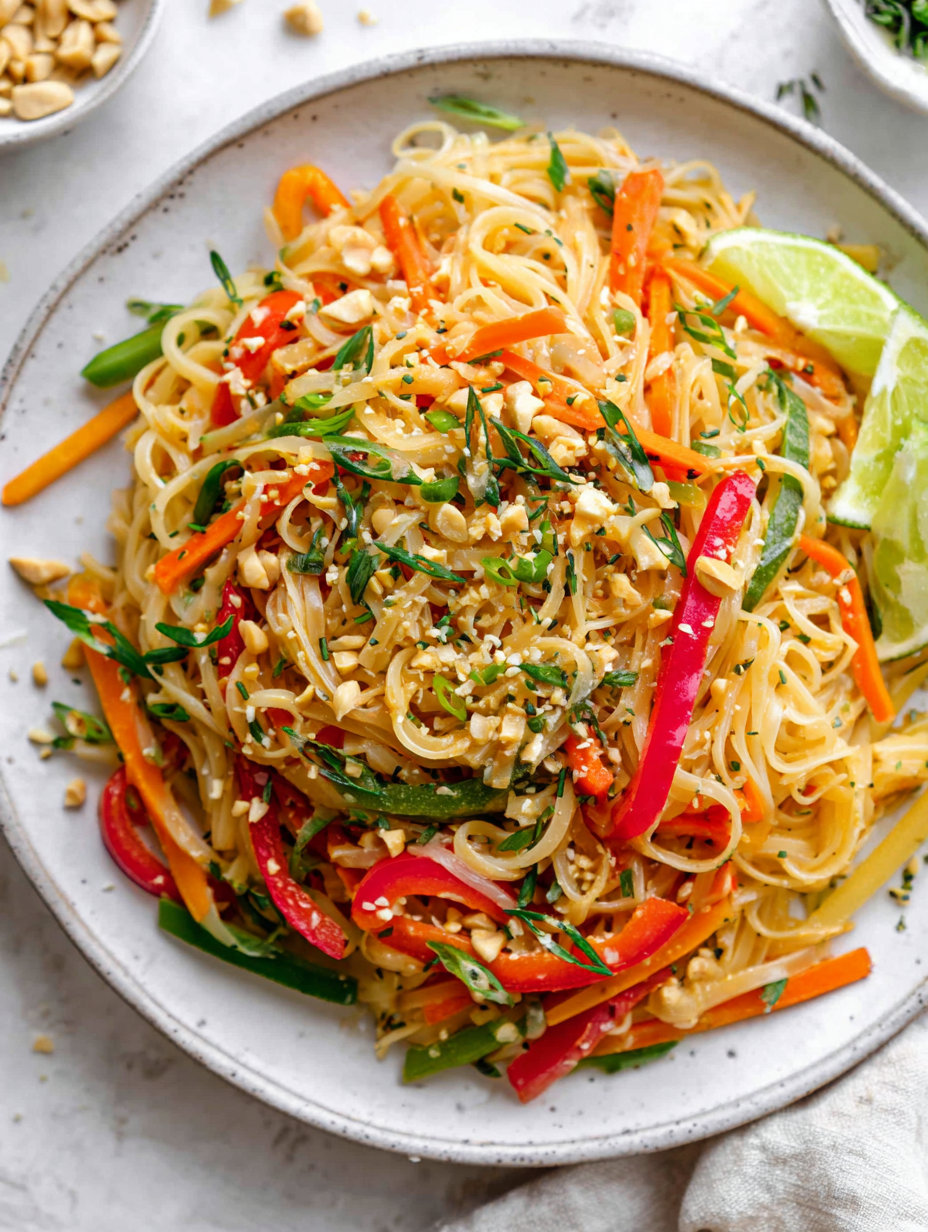
Vegan Pad Thai
Ingredients
Equipment
Method
- Press the tofu for at least 15 minutes to remove excess moisture, then cut into 1-inch cubes. Toss with soy sauce and smoked paprika for added flavor.
- Bring a large pot of water to a boil, then cook the rice noodles until just tender, about 3-4 minutes. Drain and rinse with cold water to stop the cooking process. Set aside.
- Heat vegetable oil in a large wok over medium-high heat until shimmering. Add the tofu cubes and fry, turning occasionally, until golden and crispy, about 5 minutes. Remove and set aside.
- In the same wok, add a little more oil if needed. Toss in minced garlic and sliced shallots, cooking until fragrant, about 30 seconds. Add shredded carrots, bean sprouts, and sliced bell peppers; stir-fry for 1-2 minutes until vegetables are crisp-tender and fragrant.
- Mix tamarind paste, soy sauce, maple syrup, and a splash of water in a small bowl to create the sauce. Pour it into the wok and bring to a gentle simmer, about 30 seconds.
- Add the cooked noodles and crispy tofu to the wok, tossing gently to coat everything evenly in the sauce. Cook for another 1-2 minutes until heated through and glossy.
- Squeeze fresh lime juice over the noodles and toss again. Serve hot, topped with crushed peanuts, sliced scallions, and an extra wedge of lime for squeezing. Enjoy the vibrant, textured flavors with every bite!
Pro tips for perfect vegan pad thai
- Flavors: Use smoked paprika in tofu marinade to deepen smoky notes.
- Quick Toss: Keep ingredients moving in the pan to prevent sticking and ensure even coating.
- Noodle Texture: Rinse cooked noodles with cold water to stop cooking and keep them chewy.
- Layering Sauce: Add sauce ingredients gradually to control sweetness and acidity.
- Crispy Tofu: Press tofu well and fry over medium heat until golden, not burnt, for even crispiness.
- Peanut Crunch: Crush peanuts just before serving for maximum crunch and freshness.
- Finish Fresh: Squeeze lime at the end for bright, citrusy contrast that elevates the dish.
Common mistakes and how to fix them
- FORGOT to check noodle doneness → taste for chewy bite, avoid mushiness.
- DUMPED too much oil in pan → use moderate amount, excess causes soggy pad thai.
- OVER-TORCHED tofu → stir constantly, keep heat moderate for golden crust.
- MISSED adjusting acidity → add lime gradually, balance tang and sweetness.
Quick fixes and pantry swaps
- If noodles stick, splash cold water and toss gently to separate.
- When tofu isn’t crispy enough, increase heat and fry longer, stirring constantly.
- Splash a bit more lime if sauce lacks brightness or tang.
- Patch over-salted sauce with a splash of water or coconut milk to mellow.
- Shield delicate veggies from overcooking by adding them last and stir-frying briefly.
Prep, store, and reheat tips
- Cook and cool the rice noodles ahead—store in an airtight container in the fridge for up to 2 days; they may slightly stick but still flavorful.
- Press and marinate the tofu up to 24 hours in advance for deeper flavor; keep covered in the fridge, and fry just before serving.
- Prepare the sauce mixture (tamarind, soy, lime) a day ahead; store in a jar in the fridge, and give it a quick stir before using.
- Chop vegetables and store in separate containers for up to 2 days; keep crisp and fresh with a damp paper towel in the fridge.
- Reheat leftovers gently in a skillet over medium heat, adding a splash of water or lime juice; watch for steam and stir until hot and glossy.
Top questions about vegan pad thai
1. What kind of noodles work best?
Look for rice noodles labeled gluten-free if needed. They should be thin, flat, and slightly chewy when cooked.
2. Can I use soft tofu?
Use firm tofu pressed to remove excess moisture. It crisps up nicely and maintains texture during stir-frying.
3. What if I can’t find tamarind paste?
Tamarind paste adds that smoky, tangy kick. If unavailable, mix lime juice with a touch of molasses for similar brightness.
4. How do I keep peanuts crunchy?
Crush roasted peanuts just before serving for maximum crunch. They add a salty, nutty flavor that balances the dish.
5. Which vegetables are best for this dish?
Add vegetables like carrots, bean sprouts, and scallions for freshness. Slice peppers thinly for color and a hint of sweetness.
6. How important is lime in the recipe?
Squeeze lime juice just before serving. It brightens all the flavors and adds a fresh citrus note.
7. Can I substitute soy sauce?
Use a good-quality soy sauce or coconut aminos. Keep it low-sodium to control saltiness and enhance flavor without overpowering.
8. How do I keep the noodles from sticking?
Cook the noodles until just tender, then rinse with cold water to stop cooking and keep them chewy and separate.
9. How do I get crispy tofu?
Make sure to fry tofu over medium heat until golden and crispy. Stir constantly to prevent burning and achieve even browning.
10. Can I prepare this dish ahead?
Reheat leftovers gently in a skillet with a splash of water or lime juice. Serve immediately for best texture and flavor.
This vegan pad thai isn’t just a meal; it’s a quick reminder that bold flavors and fresh textures can come together effortlessly. When the aroma of smoky tamarind and toasted peanuts fills the kitchen, I feel a little more grounded, a little more connected to simple, honest cooking.
In times when I need something satisfying yet uncomplicated, this dish quietly comes through. It’s a reminder that good food doesn’t have to be complicated to feel meaningful—just layered, with a little bit of care in each step.

Hi, I’m Lily Ashworth – and if you’ve ever cried over a burnt grilled cheese or served cereal for dinner after a kitchen disaster, you’re in the right place. The phrase “say a little prayer for the burnt toast” became a family joke – something we’d mutter while scraping crumbs into the sink and laughing at yet another kitchen misadventure.