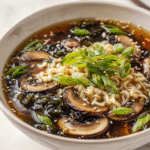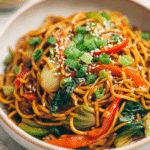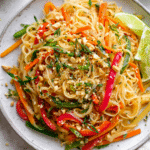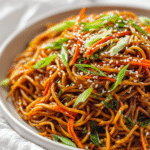
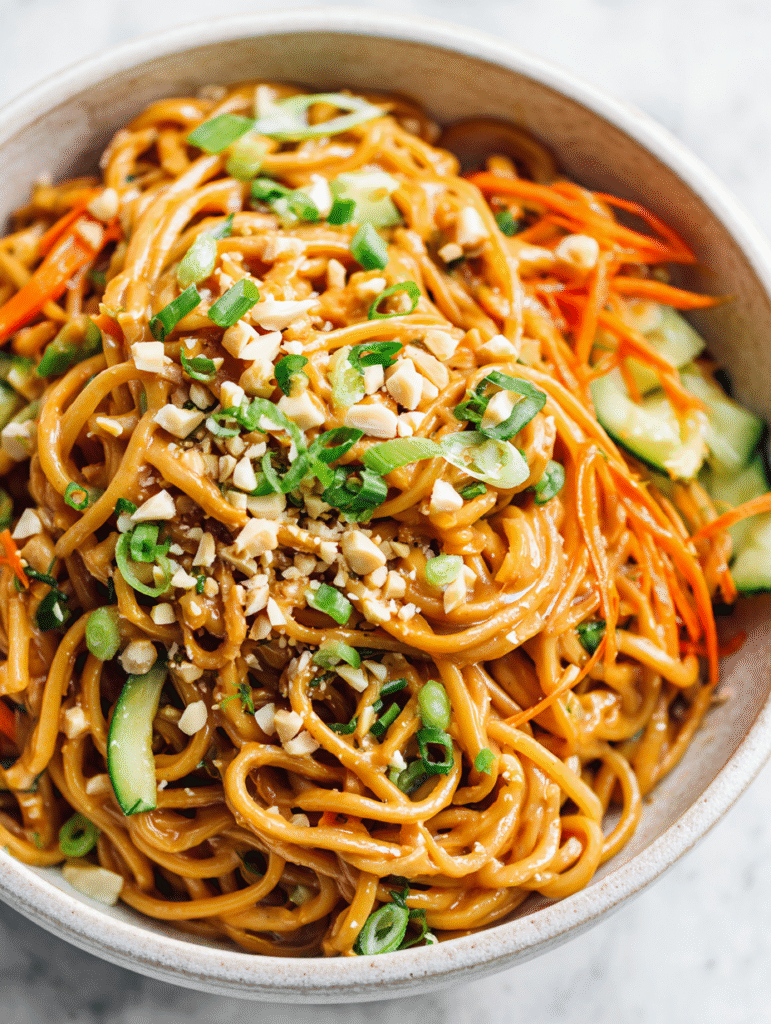
There’s a certain chaos to childhood lunches, isn’t there? The mess, the quickness, the sheer satisfaction of those peanut noodles that somehow always managed to get all over your hands and plate. I remember the first time I made my own, trying to capture that messy, nostalgic feel—turns out, it’s all about that perfect peanut sauce and a splash of sesame oil.
These noodles aren’t fancy, they’re not polished, but they’re honest and comforting. They remind me of afternoons spent bouncing between school chaos and the quiet joy of slurping down a bowl of something familiar, something that feels like a quick hug from an old friend. And honestly, sometimes that’s all I want—something messy, quick, and utterly satisfying.
Focusing on the nostalgic comfort of childhood lunches, this recipe emphasizes quick, messy, and utterly satisfying peanut noodles that evoke carefree afternoons and simple joys.
The story behind this recipe
- This recipe came from a lazy Sunday afternoon when I was craving something quick but deeply satisfying. I was digging through my pantry and found a jar of peanut butter that needed using up, and suddenly, memories of childhood lunches flooded in. I wanted that nostalgic, messy flavor, but with a modern, vegan twist that anyone can whip up on a weeknight.
- Making these noodles felt like reconnecting with those carefree days—slurping noodles with fingers, no care about presentation, just flavor. It’s funny how a simple dish can carry so much memory, turning a humble bowl into a little moment of joy amid chaos. Now, it’s become a go-to whenever I need comfort or a quick, satisfying dinner.
- heading: The story behind this recipe
Ingredient breakdown
- Peanut butter: I use natural, chunky peanut butter for that oozing, rich flavor that clings to every bite. Feel free to swap it for almond butter if you prefer a slightly nuttier, milder taste.
- Soy sauce: I love a good splash of soy for that salty umami punch, but tamari is a great gluten-free option that keeps things smooth and smoky. Adjust to taste if you want more saltiness.
- Lime juice: Brightens everything up with a zesty pop—nothing beats that lemon-bright tang that cuts through the richness. You can substitute lemon juice if that’s what you have on hand.
- Sesame oil: Just a teaspoon adds a nutty depth that’s essential. Toasted sesame oil is best, but if you’re out, a few drops of toasted avocado oil can give a similar nuttiness with less intensity.
- Sweetener: A drizzle of maple syrup or agave balances the salty and tangy flavors with a hint of sweetness. Skip if you prefer a more savory kick, but don’t skip all together—just a touch makes a big difference.
- Noodles: I prefer rice noodles for their light, chewy texture that soaks up the sauce beautifully. Whole wheat or even zucchini noodles work if you want a different vibe, just adjust cooking times accordingly.
- Garlic & ginger: Freshly minced for that punch of warmth and spice. If you’re in a pinch, garlic powder and ginger powder will do, but fresh really brightens the sauce.
Spotlight on key ingredients
Peanut butter:
- I use natural, chunky peanut butter for that oozing, rich flavor that clings to every bite. Feel free to swap it for almond butter if you prefer a slightly nuttier, milder taste.
- Soy sauce: I love a good splash of soy for that salty umami punch, but tamari is a great gluten-free option that keeps things smooth and smoky. Adjust to taste if you want more saltiness.
- Lime juice: Brightens everything up with a zesty pop—nothing beats that lemon-bright tang that cuts through the richness. You can substitute lemon juice if that’s what you have on hand.
Sesame oil and aromatics:
- Sesame oil: Just a teaspoon adds a nutty depth that’s essential. Toasted sesame oil is best, but if you’re out, a few drops of toasted avocado oil can give a similar nuttiness with less intensity.
- Garlic & ginger: Freshly minced for that punch of warmth and spice. If you’re in a pinch, garlic powder and ginger powder will do, but fresh really brightens the sauce.
Notes for ingredient swaps
- Dairy-Free: Use coconut milk or tahini instead of creamy peanut butter for a richer, nuttier flavor without dairy.
- Gluten-Free: Swap soy sauce for tamari—less salty, but still gives that savory umami kick.
- Sweetener: Maple syrup or agave nectar can replace sugar or honey—adds a smooth, caramel-like sweetness.
- Noodles: Zucchini noodles or kelp noodles work well if you’re avoiding wheat or rice—just adjust cooking time.
- Vinegar: Rice vinegar can be replaced with apple cider vinegar for a milder tang, or lemon juice for brightness.
- Oil: If sesame oil isn’t available, toasted walnut oil offers a similar nutty aroma, but use sparingly.
- Peanut Butter: Almond or cashew butter can be used in a pinch—less intense but still creamy and satisfying.
Equipment & Tools
- Large pot: To cook the noodles quickly and evenly.
- Whisk: To blend the sauce ingredients smoothly.
- Mixing bowl: To whisk and hold the sauce.
- Tongs or chopsticks: For tossing noodles and sauce without breaking them.
- Serving bowls: To present the dish attractively.
Step-by-step guide to vegan peanut noodles
- Equipment & Tools: Boil-proof pot for noodles, whisk for sauce, mixing bowl, measuring spoons, tongs or chopsticks, serving bowls.
- Bring a large pot of water to a rolling boil (about 100°C/212°F). Add rice noodles, cook for 7-9 minutes until tender but still chewy. Drain and rinse with cold water to stop cooking. Set aside.
- In a mixing bowl, whisk together 1/4 cup peanut butter, 2 tbsp soy sauce, 1 tbsp lime juice, 1 tsp toasted sesame oil, and 1 tsp maple syrup. Adjust to taste, aiming for a creamy, slightly thick sauce with a bright, nutty flavor.
- Heat a non-stick pan over medium heat (about 160°C/320°F). Add a teaspoon of sesame oil or neutral oil. Once shimmering, add 2 minced garlic cloves and 1 tsp grated ginger. Sauté for 30 seconds until fragrant—smell should be warm and pungent.
- Toss the cooked noodles into the pan with the garlic and ginger. Pour over the peanut sauce. Use tongs to gently toss and coat everything evenly. Cook for 1-2 minutes until heated through and the noodles glisten with sauce.
- Check the sauce: it should be thick enough to stick to the noodles but not clumpy. The noodles should be hot and glossy, with a slightly sticky texture. If too dry, splash a little hot water or more soy sauce.
- Remove from heat. Let sit for 1-2 minutes to meld flavors. Taste again and adjust seasoning if needed—more lime for brightness, soy for saltiness, or a pinch of chili flakes for heat.
- Serve immediately, garnished with chopped scallions or crushed peanuts if desired. For best texture, eat while warm and noodles are still glossy and moist.
- Rest for 2 minutes before serving to let flavors settle. Plate in bowls, drizzle with a few drops of sesame oil if desired, and enjoy that nostalgic, messy comfort.
Serve immediately while warm. Garnish with chopped scallions or peanuts if desired. Let sit for 2 minutes to meld flavors before eating.
How to Know It’s Done
- Noodles are tender but not mushy, with a slight chew.
- Sauce is creamy, bright, and coats noodles evenly without clumping.
- Noodles and sauce are hot, glistening, and flavorful, ready to serve.
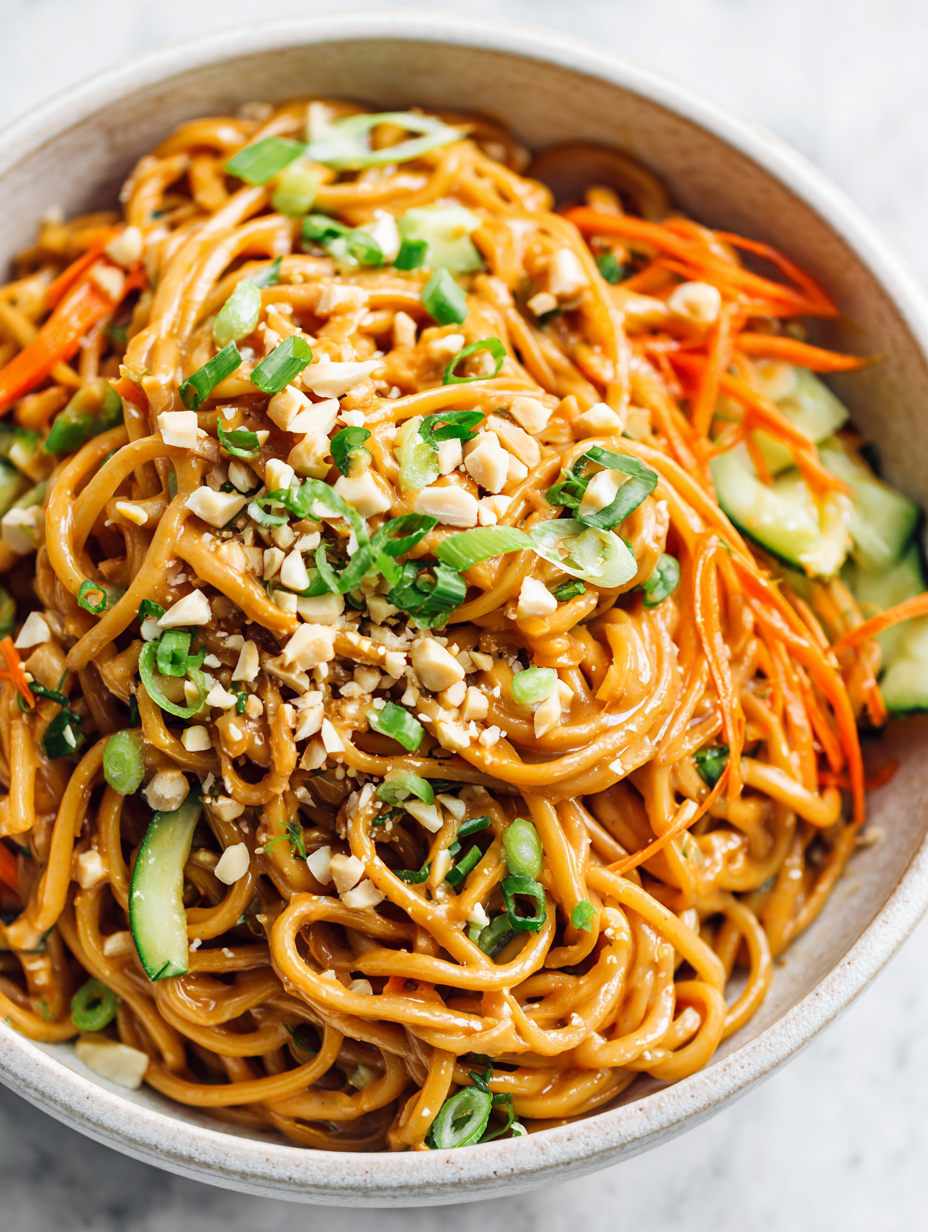
Nostalgic Peanut Noodles
Ingredients
Equipment
Method
- Bring a large pot of water to a rolling boil. Add the rice noodles and cook for 7-9 minutes until tender but still chewy. Drain and rinse with cold water to stop the cooking process. Set aside.
- In a mixing bowl, whisk together the peanut butter, soy sauce, lime juice, toasted sesame oil, and maple syrup until smooth and creamy. This forms your rich, tangy sauce.
- Heat a teaspoon of oil in a skillet over medium heat. Add the minced garlic and grated ginger, sautéing for about 30 seconds until fragrant—your kitchen will fill with warm, pungent aroma.
- Add the cooked noodles to the skillet and pour in the peanut sauce. Use tongs or chopsticks to toss everything together, coating the noodles evenly with the sauce. Cook for 1-2 minutes until heated through and glossy.
- Check the consistency— the noodles should be shiny, slightly sticky, and well coated with sauce. If it seems dry, splash a little hot water and toss again.
- Remove from heat and let the noodles sit for a minute, allowing flavors to meld and the sauce to thicken just a bit. Give a final toss and taste—adjust with more lime or soy if needed.
- Serve the noodles immediately in bowls, garnished with chopped scallions or crushed peanuts if you like. Enjoy that nostalgic, messy bite that’s both comforting and satisfying.
Pro tips for perfect vegan peanut noodles
- Bolded mini-head: Use natural, chunky peanut butter for that oozing, rich flavor that clings to every bite.
- Bolded mini-head: Toast your sesame oil briefly in the pan to bring out a deeper, nutty aroma.
- Bolded mini-head: When whisking the sauce, aim for a smooth, slightly thick consistency with vibrant brightness.
- Bolded mini-head: Toss noodles with sauce over medium heat until glistening and just heated through—avoid overcooking.
- Bolded mini-head: Taste and adjust acidity with more lime or soy to balance the richness before serving.
- Bolded mini-head: Garnish with chopped scallions or crushed peanuts for added texture and fresh flavor contrasts.
- Bolded mini-head: If the sauce thickens too much, splash in hot water or a little soy to loosen it up without losing flavor.
Common mistakes and how to fix them
- FORGOT to preheat the pan → Always heat the pan before adding ingredients.
- DUMPED all sauce at once → Add sauce gradually, tossing to coat evenly.
- OVER-TORCHED noodles → Stir continuously to prevent sticking and burning.
- MISSED resting time → Let noodles sit a minute for better flavor absorption.
Quick fixes and pantry swaps
- When sauce is too thick, splash warm water and whisk until silky.
- Splash soy sauce when noodles stick—quick fix for flavor and moisture.
- Patch over burnt pan with a paper towel—prevent further charred flavor.
- Shield delicate noodles with tongs if they start to break during toss.
- If peanut butter separates, whisk it vigorously or warm slightly to recombine.
Prep, store, and reheat tips
- Prepare the sauce ahead: Whisk the peanut butter, soy, lime, and sesame oil up to a day in advance. Keep refrigerated; the flavors meld better overnight and the sauce thickens slightly, so stir in a splash of hot water before using.
- Cook the noodles early: Boil and rinse the noodles, then toss with a tiny bit of sesame oil to prevent sticking. Store in an airtight container for up to 24 hours. They’ll absorb flavors and stay chewy, but avoid over-soaking to prevent mush.
- Storage: Keep leftovers in an airtight container for up to 2 days. The sauce may thicken in the fridge—revive it with a few drops of hot water and whisk until silky.
- Reheating: Gently warm in a skillet over low heat or microwave in short bursts, stirring often. Expect a thicker texture; add a splash of hot water or soy to loosen it up. The noodles will regain their gloss, but the sauce might lose some brightness after sitting overnight.
Top questions about vegan peanut noodles
1. Can I use smooth peanut butter?
Use natural, chunky peanut butter for that rich, oozing texture. Smooth works too but might be less hearty.
2. What if I don’t have soy sauce?
Yes, tamari is a great gluten-free swap for soy sauce. It’s slightly less salty but still adds umami.
3. Can I use lemon instead of lime?
Lime juice brightens up the dish with a zesty punch. Lemon juice works as a mild substitute if you prefer.
4. Is sesame oil necessary?
Toasted sesame oil adds a nutty aroma and depth. If out, a few drops of toasted walnut oil can mimic that flavor.
5. Can I skip the sweetener?
Maple syrup or agave nectar balances the salty and tangy flavors with a touch of sweetness. Adjust to your taste.
6. Can I substitute other noodles?
Rice noodles are light and chewy, perfect for soaking up sauce. Zucchini noodles work well if you want a lower-carb version.
7. Do I need fresh garlic and ginger?
Fresh garlic and ginger give that pungent, warm kick. Powdered versions will do in a pinch but won’t be as bright.
8. How do I know when noodles are done?
Cook the noodles until just tender, about 7-9 minutes. Rinse with cold water to stop the cooking and keep them chewy.
9. How long should I cook the noodles with the sauce?
Toss noodles in the sauce over medium heat, just until heated through and glossy—don’t overcook to avoid mush.
10. How do I store and reheat leftovers?
Leftovers can be refrigerated for up to 2 days; reheat gently and add a splash of water to loosen the sauce.
These vegan peanut noodles might seem simple, but they carry a nostalgic punch that’s hard to beat. Whether it’s the salty, nutty aroma or that sticky, satisfying texture, they bring a messy, comforting joy to any table. Sometimes, the best dishes are the ones that remind us of carefree afternoons and imperfect, flavorful moments.
No matter how many variations I try, I keep coming back to this recipe when I need a quick, honest meal. It’s a reminder that good food doesn’t have to be polished—just honest, flavorful, and made with a little bit of memory in every bite.
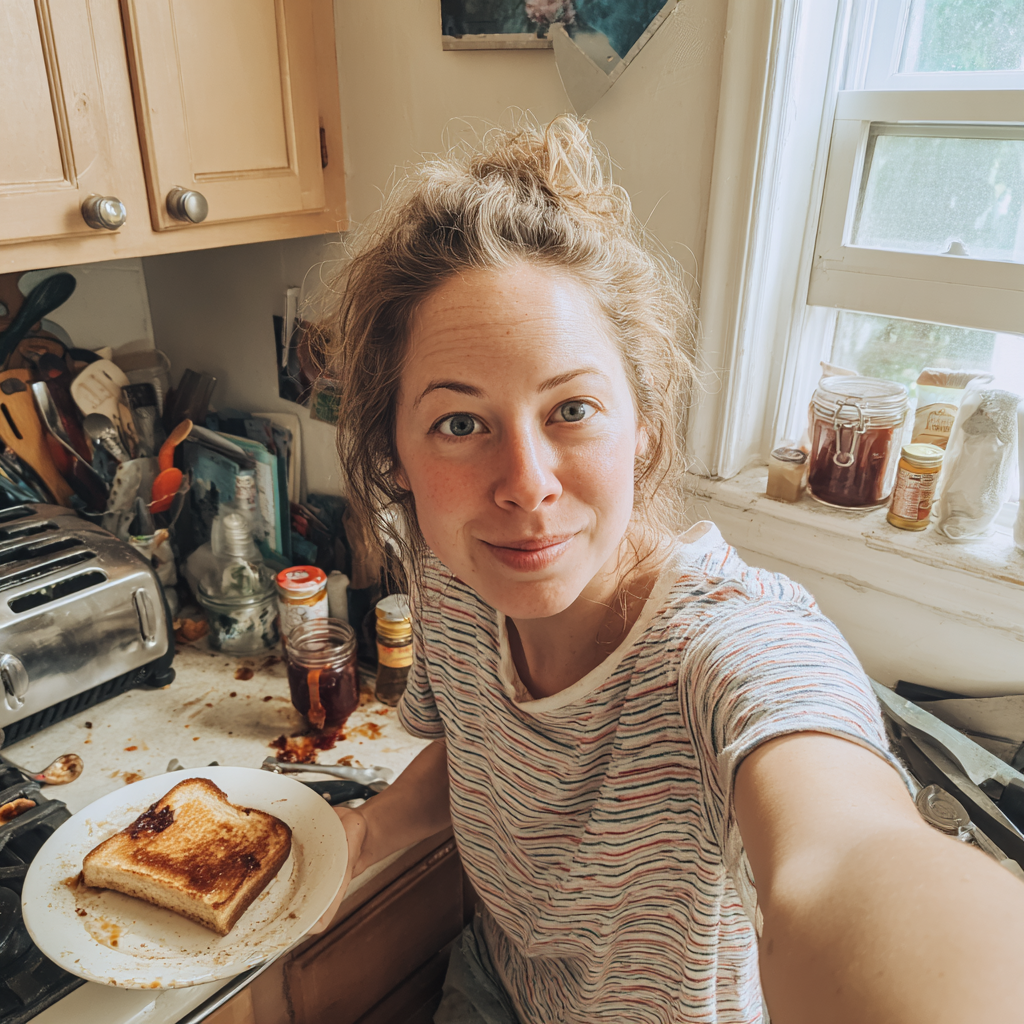
Hi, I’m Lily Ashworth – and if you’ve ever cried over a burnt grilled cheese or served cereal for dinner after a kitchen disaster, you’re in the right place. The phrase “say a little prayer for the burnt toast” became a family joke – something we’d mutter while scraping crumbs into the sink and laughing at yet another kitchen misadventure.