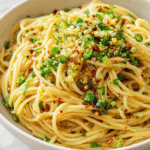
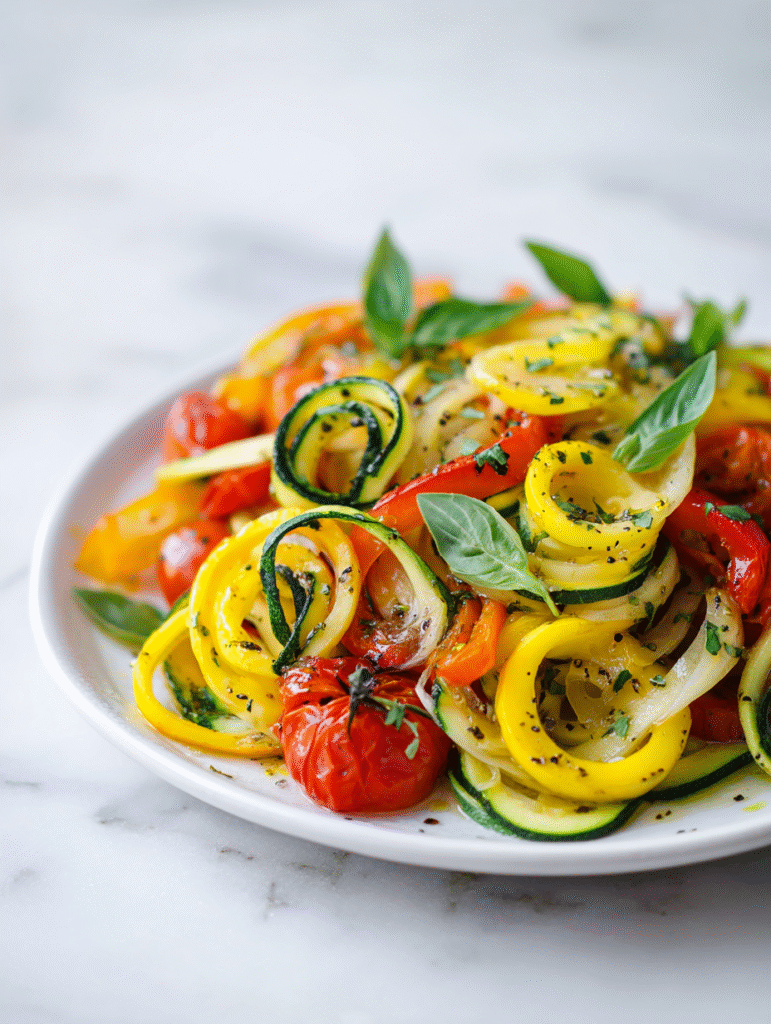
There’s something about a vegetable medley that, when cooked right, turns into a burst of fresh, colorful flavors. I love how a handful of seasonal produce can transform into a dish that’s both vibrant and satisfying, especially when you want something quick but feels like a celebration of spring or summer. This vegan pasta primavera started as a way to clear out the fridge and ended up being a regular on my weeknight rotation.
What keeps me coming back to this dish is its simplicity and the way it balances that earthy, slightly sweet flavor of the vegetables with the bright acidity of lemon and herbs. It’s a reminder that you don’t need heavy sauces or complicated techniques to make something memorable. Just fresh ingredients, a little heat, and a splash of olive oil—sometimes that’s all it takes to make a meal feel special.
Focusing on how to turn a simple, seasonal vegetable medley into a vibrant, satisfying vegan pasta primavera that’s perfect for busy weeknights and fresh enough for a weekend feast.
The story behind this recipe
- This dish was born out of my obsession with making vegetables feel like a celebration, not just a side. I remember a summer evening, chopping a rainbow of produce while the sun was setting, and realizing how much flavor a simple medley can hold if treated right. It’s honest cooking, no fancy tricks, just good ingredients and a little patience.
- The inspiration came from those frantic weeknights when I needed something nourishing but quick, and I didn’t want to rely on jarred sauces or heavy creams. Seeing how the vegetables caramelize slightly and release their natural sweetness reminds me that the best meals are often the simplest. Plus, the vibrant colors make the plate almost too pretty to eat—almost.
- heading
- story_type
Breakdown of Key Ingredients
- Zucchini: I love how zucchini softens and releases a subtle sweetness when sautéed; cut it into thin rounds so it cooks evenly and quickly.
- Cherry tomatoes: They burst with juice and color, adding a bright, slightly tangy flavor. Skip this if your tomatoes are bland or out of season.
- Garlic: It’s the aromatic backbone that pulls everything together. Don’t rush the sauté—let it mellow and turn golden to unlock its sweet side.
- Fresh basil: Adds a fragrant, slightly peppery note. Tear it right before adding to preserve its bright, herbaceous aroma, and don’t overdo it.
- Lemon juice: Brightens the whole dish with a zingy, citrusy kick. A splash at the end keeps it fresh; skip if you prefer milder flavors.
- Olive oil: Use a good-quality extra virgin for richness and depth. Drizzle generously to help the vegetables caramelize and to coat the pasta beautifully.
- Pasta: I prefer al dente, with a slight bite that holds up against the sauce. Reserve a bit of pasta water—it’s magic for loosening the sauce if needed.
Spotlight on key ingredients
Zucchini:
- I love how zucchini softens and releases a subtle sweetness when sautéed; cut it into thin rounds so it cooks evenly and quickly.
- Cherry tomatoes: They burst with juice and color, adding a bright, slightly tangy flavor. Skip this if your tomatoes are bland or out of season.
- Garlic: It’s the aromatic backbone that pulls everything together. Don’t rush the sauté—let it mellow and turn golden to unlock its sweet side.
Cherry tomatoes:
- They burst with juice and color, adding a bright, slightly tangy flavor. Skip this if your tomatoes are bland or out of season.
- Garlic: It’s the aromatic backbone that pulls everything together. Don’t rush the sauté—let it mellow and turn golden to unlock its sweet side.
- Fresh basil: Adds a fragrant, slightly peppery note. Tear it right before adding to preserve its bright, herbaceous aroma, and don’t overdo it.
Notes for ingredient swaps
- Dairy-Free: Swap dairy cheese for nutritional yeast or vegan cheese shreds. Expect a nuttier, less creamy vibe.
- Gluten-Free: Use gluten-free pasta made from rice, corn, or chickpeas. It cooks slightly differently but keeps the dish accessible.
- Oil Alternatives: Replace olive oil with avocado or sesame oil for a different aroma and richness, but watch the heat as these oils have lower smoke points.
- Vegetable Variations: Substitute zucchini with yellow squash or snap peas for a different crunch and sweetness. Keep the cooking time similar.
- Herb Swap: Use parsley or cilantro if basil isn’t available. They bring a fresh, vibrant herbal note, though less sweet and aromatic.
- Tomato Options: Cherry tomatoes can be replaced with sun-dried tomatoes (soak first) for a concentrated, chewy burst of flavor.
- Lemon Substitute: Lime juice adds a similar zing but with a slightly different citrus brightness. Use sparingly to avoid overpowering.
Equipment & Tools
- large pot: Cook the pasta evenly and efficiently.
- deep sauté pan: Sauté vegetables and combine ingredients gently.
- wooden spoon: Stir vegetables without damaging delicate ingredients.
- tongs: Lift and toss pasta and vegetables for even coating.
- sharp knife: Prep vegetables cleanly and precisely.
Step-by-step guide to Pasta Primavera
- Gather all equipment: large pot for pasta, deep sauté pan, wooden spoon, tongs, and a sharp knife. Fill the pot with water, add a generous pinch of salt, and bring to a rolling boil at 100°C (212°F).
- While waiting, prep your vegetables: slice zucchini into thin rounds, halve cherry tomatoes, mince garlic finely, and tear fresh basil leaves. Keep everything within arm’s reach.
- Add pasta to boiling water, cook until al dente (about 8-10 minutes). Stir occasionally to prevent sticking. Check for a slight bite—rigid but tender.
- Drain pasta, reserving ½ cup of pasta water. Set aside. Keep warm or toss with a little olive oil to prevent sticking.
- Heat the sauté pan over medium heat (around 160°C/320°F). Add a splash of olive oil—listen for a gentle crackle. Toss in garlic and cook until fragrant, about 30 seconds; it should smell sweet and toasted.
- Add zucchini slices, stir well. Cook for 3-4 minutes, until they soften and edges start to turn golden. They should be slightly tender but still vibrant green.
- Toss in cherry tomatoes, cook for another 2 minutes. They should soften and burst slightly, releasing their juice. If they seem dull or unpopped, turn up the heat slightly.
- Combine cooked pasta with vegetables in the pan. Add a splash of reserved pasta water to loosen the mixture. Stir gently to coat everything evenly.
- Finish with lemon juice, torn basil, and a pinch of salt. Toss again. The dish should shimmer with bright citrus and fragrant herbs.
- Remove from heat. Let rest for 1-2 minutes to let flavors meld. Plate immediately, garnished with extra basil if desired.
Let the dish sit for 1-2 minutes after tossing to allow flavors to settle. Serve immediately, garnished with extra basil or a drizzle of good olive oil for shine.
How to Know It’s Done
- Pasta is al dente, with a slight bite when tested with a fork.
- Vegetables are tender but still colorful and slightly caramelized around the edges.
- The sauce (pasta water + lemon + oil) coats evenly without excess liquid or dryness.
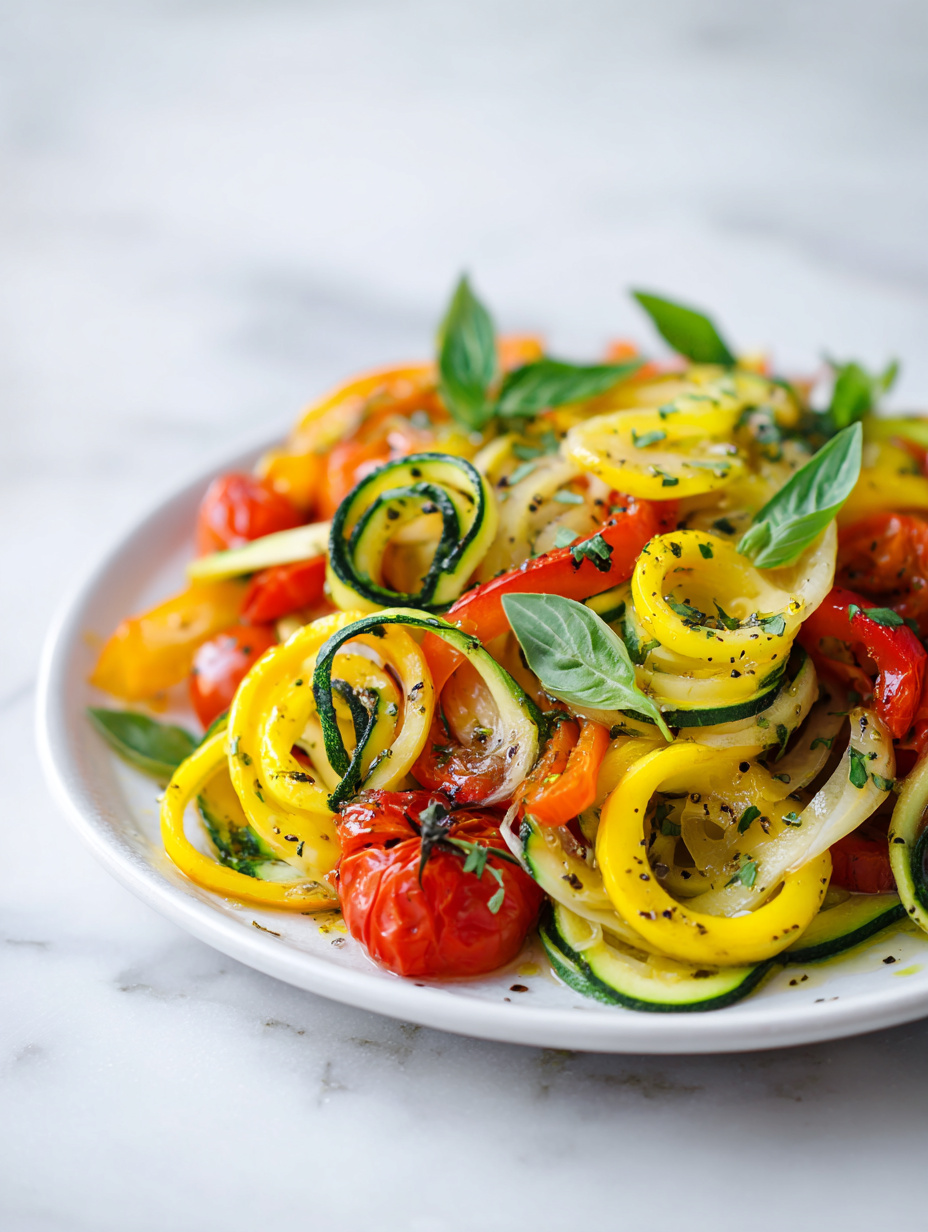
Vegan Pasta Primavera
Ingredients
Equipment
Method
- Fill a large pot with water, add a generous pinch of salt, and bring to a rolling boil. Once bubbling vigorously, add the pasta and cook until al dente, about 8-10 minutes. Stir occasionally to prevent sticking. Drain, reserving a splash of pasta water, and set aside.
- While the pasta cooks, prep your vegetables: slice the zucchini into thin rounds, halve the cherry tomatoes, mince the garlic, and tear the basil leaves. Keep everything close at hand for easy assembly.
- Heat a deep sauté pan over medium heat and add 2 tablespoons of olive oil. Once shimmering and gently crackling, add the minced garlic. Sauté for about 30 seconds until fragrant, smelling sweet and toasted, but not burnt.
- Add the sliced zucchini to the pan, stirring to coat with oil. Cook for 3-4 minutes until the zucchini softens slightly and edges start to turn golden, releasing a subtle sweetness and vibrant green color.
- Next, toss in the halved cherry tomatoes. Cook for another 2 minutes until they soften and burst slightly, releasing their bright juices and adding lively color to the dish.
- Pour the cooked pasta into the pan with the vegetables. Add a splash of the reserved pasta water to loosen the mixture, then toss everything together with tongs or a large spoon, ensuring the pasta is evenly coated with the vegetables and juices.
- Remove the pan from heat and stir in the freshly squeezed lemon juice and torn basil. Season with salt and freshly ground black pepper to taste. Toss again to distribute the flavors evenly, and watch as the dish shimmers with brightness and herbaceous aroma.
- Transfer the pasta primavera to serving bowls, garnishing with extra basil if desired. Serve immediately while hot, allowing the fresh, vibrant flavors to shine.
Pro tips for perfect Pasta Primavera
- Bold flavors early: Sauté garlic until golden to unlock its sweet, nutty aroma, avoiding bitter overcooking.
- Brighten with lemon: Add lemon juice at the end for a fresh, zesty punch that lifts the entire dish.
- Watch the zucchini: Cook until just tender and slightly caramelized for maximum sweetness and color.
- Reserve pasta water: Keep a splash to loosen the sauce—starchy, silky, and perfect for coating everything.
- Tear basil by hand: Preserve its fragrant oils; avoid chopping to keep that vibrant, peppery aroma intact.
- Taste as you go: Adjust salt and acidity gradually, balancing the flavors before plating.
- Use high heat: Keep your pan hot enough to sizzle vegetables without stewing, for that slight char and depth.
Common mistakes and how to fix them
- FORGOT to taste and adjust salt before serving, fix with a pinch of salt or lemon juice.
- DUMPED pasta into boiling water without salting, always salt water generously for flavor.
- OVER-TORCHED vegetables, lower heat or remove from pan early to prevent burning.
- MISSED to reserve pasta water, always save it to loosen the sauce if needed.
Quick fixes and pantry swaps
- When sauce is too thick, splash in hot pasta water and stir until silky.
- If vegetables are undercooked, give them a minute longer on medium heat, stirring constantly.
- Splash a little lemon juice if the dish tastes flat or dull in flavor.
- Patch over-salted sauce with a small pat of vegan butter or a splash of unsalted water.
- Shield burnt vegetables immediately with a lid and lower heat to prevent bitterness.
Prep, store, and reheat tips
- Prep all vegetables: wash, slice, and have ready in airtight containers for quick assembly, which saves time and keeps ingredients fresh and crisp, especially the zucchini and tomatoes.
- Cook the pasta ahead: drain and toss with a little olive oil, then store in a sealed container in the fridge for up to 2 days. It firms up slightly but reheats well.
- Store the cooked vegetables separately: keep in an airtight container for up to 1 day. Reheat gently to prevent over-softening and losing vibrant color.
- Reheat with care: warm the pasta and vegetables in a skillet over low heat, adding a splash of water or broth to restore the sauce’s silky texture. The aroma of lemon and herbs should reawaken with gentle warmth, not boil or burn.
- Flavor intensifies over time: after a day, the dish develops a deeper, more integrated taste, but the freshness of the vegetables decreases. Best enjoyed within 24 hours for peak vibrancy.
Top questions about vegan pasta primavera
1. What oil should I use for the best flavor?
Use a good-quality olive oil for a rich, fruity flavor that coats the pasta beautifully.
2. How long should I sauté the vegetables?
Cook the vegetables until just tender to keep their vibrant color and fresh texture.
3. Why should I save pasta water?
Reserve a cup of pasta water before draining to help loosen the sauce and add body.
4. When should I add lemon juice?
Add lemon juice at the end to brighten the dish with a fresh, citrusy zing.
5. Should I chop or tear the basil?
Tear fresh basil by hand to preserve its fragrant oils and vibrant aroma.
6. How do I know when the pasta is done?
Ensure pasta is cooked al dente, with a slight bite, for the best texture and sauce adherence.
7. What vegetables work best for this dish?
Use seasonal vegetables like zucchini and cherry tomatoes for maximum freshness and flavor.
8. How do I know if I’ve seasoned it correctly?
Adjust seasoning gradually, tasting as you go, to balance acidity and saltiness.
9. How should I reheat pasta primavera?
Reheat leftovers gently in a skillet with a splash of water or broth to keep it moist.
10. How do I know when the garlic is ready?
Don’t overcook the garlic; cook until fragrant and golden, about 30 seconds, to avoid bitterness.
This vegan pasta primavera isn’t just a quick weeknight fix; it’s a celebration of fresh, seasonal produce that feels just right for spring and summer. The bright lemon, fragrant basil, and tender vegetables come together in a dish that’s honest and satisfying, no fuss needed.
Whenever I make this, I’m reminded that simple ingredients and a little patience can turn into something vibrant and full of life. It’s a dish that’s easy to love, whether for a busy evening or a lazy weekend lunch. Sometimes, that’s all I really want from a meal.

Hi, I’m Lily Ashworth – and if you’ve ever cried over a burnt grilled cheese or served cereal for dinner after a kitchen disaster, you’re in the right place. The phrase “say a little prayer for the burnt toast” became a family joke – something we’d mutter while scraping crumbs into the sink and laughing at yet another kitchen misadventure.