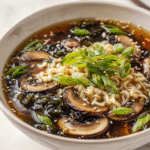

This vegan orzo recipe is my go-to when I want something cozy but quick, using just pantry staples. It’s like a warm hug in a bowl, especially after a busy day when I don’t want to fuss over complicated ingredients. The orzo’s tender bite combined with bright, fresh flavors keeps me coming back for more.
What I love about this dish is how it transforms simple, everyday ingredients into something satisfying and hearty. It’s perfect for those moments when I need comfort but also want to keep it plant-based and wholesome. Plus, it’s endlessly adaptable, so I can toss in whatever greens or veggies I have lying around.
Focusing on how this dish transforms simple pantry staples into a comforting, plant-based meal that feels like a warm hug after a hectic day.
The story behind this recipe
- This recipe came together on a rainy afternoon, when I was rummaging through my pantry and craving something warm but simple. I remembered a trip to Greece where orzo was served in a lemony, herbaceous broth that stuck with me. I wanted to recreate that cozy, bright feeling without any fuss or animal products, using what I already had on hand.
- Over the years, I’ve tweaked this dish to fit my busy days—adding more greens, adjusting the acidity, and playing with different herbs. It’s become my feel-good meal after long days, a kind of culinary hug that’s quick, honest, and endlessly adaptable.
- heading: The story behind this recipe
Ingredient breakdown: key components
- Orzo: I love the slightly chewy bite of orzo, it absorbs flavors so well. Try using short-grain rice if you want a different texture, but keep an eye on cook times.
- Vegetable broth: I always use a good, homemade or low-sodium store-bought broth. It’s the base of flavor—don’t skimp, but feel free to dilute if too salty.
- Garlic: I crush mine to release maximum aroma and flavor. If you prefer a milder taste, toss in whole cloves and remove before serving.
- Lemon juice: Brightens everything up with a zesty zing. If you want more citrus punch, add extra lemon or a splash of vinegar—just taste as you go.
- Olive oil: I keep it simple with a good extra virgin. For a smoky twist, try a splash of toasted sesame oil, but use sparingly to avoid overpowering.
- Greens (spinach or kale): I toss in fresh greens at the end until wilted. Frozen greens work too—just thaw and squeeze out excess moisture first.
- Herbs (parsley or basil): Fresh herbs finish the dish with a burst of color and flavor. Dried herbs can work in a pinch, but add them early to let their flavors develop.
Spotlight on key ingredients
Lemon:
- Orzo: I love its chewy bite that holds onto flavors, almost like tiny pasta beads. Try it with short-grain rice if you want a different texture, but watch the cook time closely.
- Lemon juice: Bright, zesty, with a tang that cuts through the richness. The juice can be extra punchy if you zest the lemon first—use both for maximum brightness.
Greens & Olive Oil:
- Greens (spinach or kale): They wilt quickly, turning tender and vibrant. I prefer adding them at the end to keep some texture and color, but frozen greens work if you squeeze out extra moisture first.
- Olive oil: Its rich, peppery aroma deepens the dish’s flavor. Toast it slightly before adding to bring out a nutty note, but avoid overheating to prevent bitterness.
Notes for ingredient swaps
- Vegan Cheese: Nutritional yeast adds a cheesy, nutty flavor without dairy—skip if you want a purer, simpler taste.
- Oil: Swap olive oil for avocado or coconut oil for a different richness or subtle flavor shift.
- Lemon Juice: Use lime juice for a slightly different citrus brightness or a splash of vinegar for tang without the zest.
- Greens: Kale can be replaced with spinach or arugula—each brings a unique texture and flavor punch.
- Herbs: Fresh basil can be swapped for cilantro or dill, changing the aroma and freshness profile.
- Broth: Water with a dash of soy sauce or miso paste works if you’re out of broth, adding umami depth.
- Add-ins: Toss in roasted nuts or seeds at the end for crunch—try toasted pine nuts or sunflower seeds for a nutty boost.
Equipment & Tools
- Large skillet: For sautéing and cooking the orzo and greens.
- Wooden spoon: For stirring without scratching the skillet.
- Measuring cup: To measure liquids accurately.
- Fine-mesh sieve: For rinsing greens or draining excess moisture.
Step-by-step guide to vegan orzo
- Gather your equipment: a large skillet (about 25-30cm diameter), a wooden spoon for stirring, a measuring cup for liquids, and a fine-mesh sieve for rinsing the orzo.
- Heat 2 tablespoons of olive oil over medium heat (about 160°C/320°F). When it shimmers, add 3 minced garlic cloves. Sauté for 30 seconds until fragrant—avoid burning, or it’ll turn bitter.
- Add 1 cup of dry orzo to the pan. Toast it for 2-3 minutes, stirring constantly, until the edges turn a light golden hue and it smells nutty.
- Pour in 3 cups of vegetable broth. Bring to a gentle boil, then reduce heat to low (about 90°C/194°F). Cover and simmer for 10 minutes, stirring occasionally.
- Check the orzo: it should be tender but still have a slight bite. If it’s too firm, cook a few more minutes—if too mushy, remove from heat immediately.
- While the orzo cooks, wash 2 cups of greens (spinach or kale). When the orzo is nearly done, stir in the greens and cover for 2 minutes, just until wilted and vibrant.
- Finish with a squeeze of lemon juice (about 1 tablespoon) and a handful of chopped fresh herbs (parsley or basil). Toss everything well, then let rest for 2 minutes to meld flavors.
- Taste and adjust seasoning with salt and pepper. Serve hot, garnished with extra herbs or lemon zest if desired.
Let the dish rest for 2 minutes off heat, allowing flavors to settle. Serve directly from the skillet for a rustic presentation, garnished with extra herbs or lemon zest for a fresh pop.
How to Know It’s Done
- Orzo is tender with a slight bite, not mushy.
- Greens are wilted but still vibrant in color.
- Lemon juice adds a bright, zingy aroma without overpowering.

Vegan Lemon Herb Orzo
Ingredients
Equipment
Method
- Heat the olive oil in a large skillet over medium heat until it shimmers, and then add the minced garlic. Sauté for about 30 seconds until fragrant and slightly golden, filling the air with a rich aroma.
- Add the dry orzo to the skillet and toast it, stirring constantly, for about 2-3 minutes until the edges turn a light golden hue and it smells nutty.
- Pour in the vegetable broth and bring to a gentle boil. Once bubbling, reduce the heat to low, cover the skillet, and let simmer for about 10 minutes, stirring occasionally, until the orzo is tender but still has a slight bite.
- While the orzo cooks, prepare your greens by rinsing and chopping them. When the orzo is nearly done, stir in the greens and cover for another 2 minutes until wilted and vibrant.
- Remove the lid and squeeze fresh lemon juice over the mixture. Add the chopped herbs, then stir everything together to combine the bright flavors and wilted greens.
- Taste and season with salt and pepper as needed. Let the dish rest for a couple of minutes, allowing the flavors to meld beautifully.
- Serve the vegan lemon herb orzo hot, garnished with extra herbs or lemon zest if desired. Enjoy this cozy, bright, and hearty meal straight from the skillet.
Pro tips for perfect vegan orzo
- Bolded Mini-Head: Toast the orzo until lightly golden and fragrant for a nuttier flavor and better texture.
- Bolded Mini-Head: Sauté garlic gently until just fragrant—avoid burning to keep the dish mellow and aromatic.
- Bolded Mini-Head: Add greens at the last minute and cover—this preserves their vibrant color and slight crunch.
- Bolded Mini-Head: Use fresh lemon juice and zest for a bright, zingy contrast that awakens the dish.
- Bolded Mini-Head: Stir in herbs off the heat for maximum freshness and aroma without wilting their delicate oils.
- Bolded Mini-Head: Keep an eye on broth level—just enough to cook the orzo without turning it soupy.
- Bolded Mini-Head: Let the dish rest for a couple of minutes after cooking—this helps flavors meld and improves texture.
Common mistakes and how to fix them
- FORGOT to taste before serving → Always taste for balance and adjust seasoning accordingly.
- DUMPED too much water → Use just enough broth; too much makes the dish watery and dull.
- OVER-TORCHED garlic → Sauté garlic gently; burnt garlic turns bitter, smell should be fragrant, not scorched.
- SKIPPED resting time → Let the dish sit for a couple of minutes to meld flavors and improve texture.
Quick fixes and pantry swaps
- When water boils over, splash a bit of oil to prevent splattering and clean easily.
- If orzo sticks to the pan, add a splash more broth and stir gently to loosen.
- Splash lemon juice if flavors seem dull—brighten with a quick zest if possible.
- Patch burnt garlic by removing it immediately; add fresh garlic at a lower heat next time.
- Shield the greens with a lid if they wilt too fast, keeping their vibrant color and texture.
Prep, store, and reheat tips
- You can prep the greens and measure out the broth a day ahead; keep them refrigerated separately for freshness.
- Cook the orzo until just tender, then cool quickly and store in an airtight container in the fridge for up to 2 days. Reheat with a splash of broth or water, stirring until hot and shiny.
- The dish develops a deeper, slightly more mellow flavor after a day; the lemon brightness remains, but greens may lose some vibrancy.
- For reheating, warm gently on the stovetop over medium-low heat, tasting and adjusting seasoning as needed. The texture should be al dente, with the orzo still holding its chew.
Top questions about vegan orzo
1. Can I use water instead of broth?
Use vegetable broth instead of water for more flavor and richness in your orzo. It adds a savory depth that plain water can’t provide.
2. Can I substitute orzo with another grain?
Yes, you can swap in cooked quinoa or rice for orzo if you prefer a gluten-free option or just want a different texture.
3. How do I make the dish more zingy?
Add a splash of lemon juice or vinegar just before serving to brighten the dish and enhance the greens’ freshness.
4. When should I add herbs?
Stir in chopped fresh herbs like parsley or basil at the end to keep their aroma lively and fresh.
5. How can I wilt greens more quickly?
To soften greens faster, cover the skillet after adding them and cook for an extra minute or two until wilted.
6. Can I prep this dish ahead of time?
You can prepare the ingredients ahead—measure out the broth, chop herbs, and rinse greens—then cook quickly when ready.
7. How do I reheat leftovers?
Reheat in a skillet over low heat with a splash of broth or water, stirring until hot and shiny, about 3-5 minutes.
8. What if the orzo gets mushy?
If the orzo turns mushy, next time cook it for a minute less and drain immediately to keep the texture firm.
9. How can I add more flavor or smokiness?
A pinch of smoked paprika or a dash of tamari can add depth and a smoky note if desired.
10. What if my garlic burns?
If garlic burns, lower the heat and add it later or cook it gently for a subtler aroma and taste.
This vegan orzo dish isn’t just about feeding yourself; it’s about grounding those busy days with something nourishing and familiar. The bright lemon and tender greens make it feel like a quick escape to a fresh, open meadow, even when the world is hectic. It’s a reminder that simple ingredients, treated honestly, can create real comfort.
I keep coming back to this recipe because it’s honest, adaptable, and always satisfies without fuss. Whether I’m making it for myself or feeding friends, it’s a little act of care—something I can put together in a flash that still feels deeply satisfying.

Hi, I’m Lily Ashworth – and if you’ve ever cried over a burnt grilled cheese or served cereal for dinner after a kitchen disaster, you’re in the right place. The phrase “say a little prayer for the burnt toast” became a family joke – something we’d mutter while scraping crumbs into the sink and laughing at yet another kitchen misadventure.