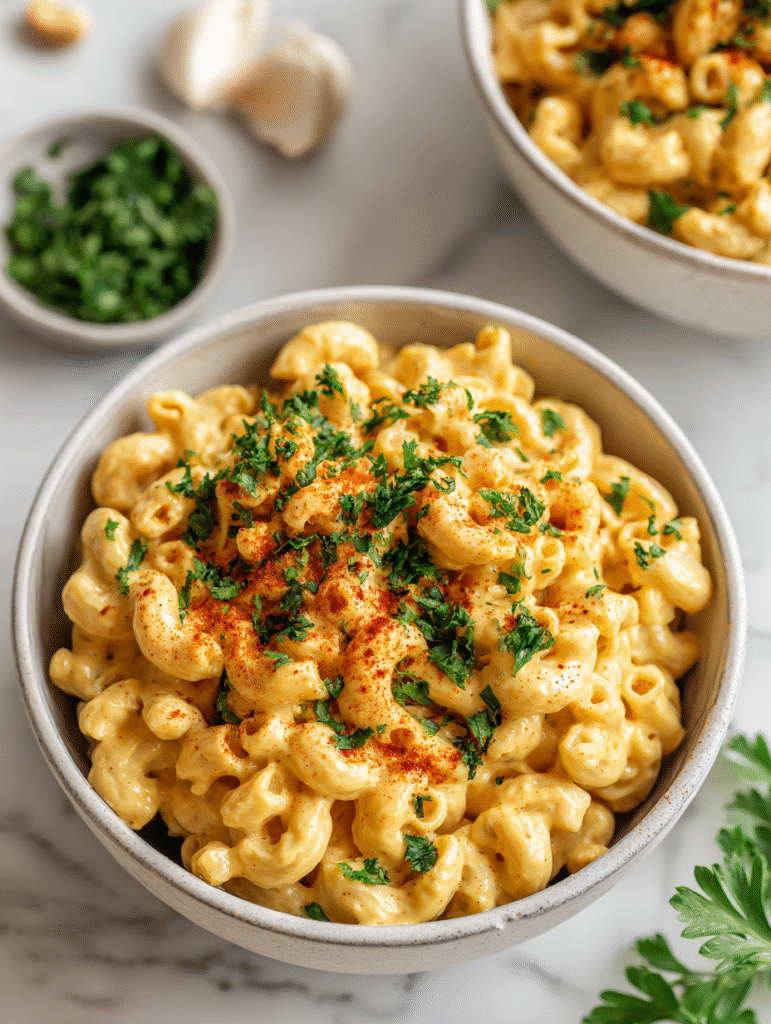
This vegan mac and cheese is a lifesaver on those nights when I’ve got a craving but none of the usual ingredients. It’s all about using pantry staples—cashews, nutritional yeast, a splash of mustard—and turning them into something creamy and satisfying without any dairy. Honestly, I love how quick it comes together, especially after a busy day, and how it feels like a little act of comfort in a bowl.
What makes this recipe stand out is its simplicity and the way it plays with textures and flavors. I’ve made it so often I can whip it up with my eyes closed, yet every time I taste it, I’m still surprised by how indulgent and cheesy it feels. It’s a reminder that you don’t need fancy ingredients or complicated techniques to create something truly cozy and nourishing.
This recipe focuses on how to achieve a rich, cheesy sauce using only pantry staples, making it perfect for those unexpected cravings or last-minute dinners when fresh ingredients are scarce. It’s about transforming simple, everyday ingredients into something comforting and indulgent without any dairy or complicated steps.
The story behind this recipe
This recipe was born out of a quiet evening in my tiny kitchen, when I realized I was out of cheese but craving that creamy, comforting bite of mac and cheese. Instead of giving in to takeout, I started experimenting with pantry staples—soaked cashews, nutritional yeast, a squeeze of lemon, and a dash of smoked paprika. That first spoonful brought a little spark of pride, knowing I’d turned humble ingredients into something rich and indulgent, without any dairy. It’s become a go-to comfort food that’s honest, straightforward, and endlessly adaptable.
Key Ingredients Breakdown
- Cashews: I love how they give that rich, velvety texture, almost like dairy cheese. If you’re allergic, try soaked sunflower seeds for a similar creaminess.
- Nutritional Yeast: It’s the secret to that cheesy flavor, with a nutty, umami punch. If you’re out, a little miso paste can fill in for depth.
- Lemon Juice: Brightens everything up with a zing that cuts through the richness. Skip it if you prefer a milder sauce, but don’t skip the acidity entirely.
- Mustard: Adds a subtle tang and helps emulsify the sauce. Dijon is my go-to, but yellow mustard works in a pinch for a milder note.
- Smoked Paprika: I love how it adds a smoky depth, making the sauce feel a bit more complex. For a milder flavor, use sweet paprika instead.
- Plant-Based Milk: I prefer cashew or oat for their creaminess. If you want lighter, go with almond, but you might need a touch more thickener.
- Nutritional Yeast: Yes, it’s worth it for the cheesy umami. If you don’t have it, a sprinkle of vegan Parmesan can add a similar savory touch.
Spotlight on key ingredients
Cashews:
- I love how they give that rich, velvety texture, almost like dairy cheese. If you’re allergic, try soaked sunflower seeds for a similar creaminess.
- Nutritional Yeast: It’s the secret to that cheesy flavor, with a nutty, umami punch. If you’re out, a little miso paste can fill in for depth.
- Lemon Juice: Brightens everything up with a zing that cuts through the richness. Skip it if you prefer a milder sauce, but don’t skip the acidity entirely.
Nutritional Yeast:
- Yes, it’s worth it for the cheesy umami. If you don’t have it, a sprinkle of vegan Parmesan can add a similar savory touch.
- Smoked Paprika: I love how it adds a smoky depth, making the sauce feel a bit more complex. For a milder flavor, use sweet paprika instead.
Notes for ingredient swaps
- Dairy-Free: Swap cashews for soaked sunflower seeds or silken tofu for an equally creamy texture, though the flavor will differ slightly.
- Nutritional Yeast: If you’re out, try a tablespoon of miso paste or vegan Parmesan for that cheesy umami punch.
- Lemon Juice: Use apple cider vinegar or a splash of white wine vinegar for a tangy brightness, especially if you prefer a milder citrus note.
- Mustard: Yellow mustard can replace Dijon in a pinch, but expect a milder, less complex tang.
- Plant-Based Milk: Oat or cashew milk gives the creaminess; almond milk is lighter but may need more thickener to compensate.
- Smoked Paprika: Sweet paprika adds a milder smoky flavor; for more heat, try chipotle powder, but use sparingly.
- Pasta: Gluten-free or chickpea pasta works well, but keep an eye on cooking times and texture, as they vary from wheat pasta.
Equipment & Tools
- Blender: To create a smooth, creamy sauce from soaked cashews and seasonings.
- Large pot: To boil the pasta until al dente.
- Saucepan: To heat and simmer the sauce, ensuring it thickens properly.
- Spoon or spatula: For stirring the sauce and combining the pasta.
Step-by-step guide to vegan mac and cheese
- Gather your equipment: a blender (for smooth sauce), a large pot (to cook pasta), a saucepan (to heat sauce), and a spoon for stirring. Preheat water in the pot to boil, around 100°C (212°F).
- Cook the pasta: salt the boiling water generously. Add your favorite vegan pasta and cook for 8-10 minutes until al dente. Drain and set aside, saving a cup of pasta water.
- Prepare the sauce base: in the saucepan, combine soaked cashews (soaked for at least 4 hours or quick-soaked in hot water for 30 minutes), nutritional yeast, lemon juice, mustard, smoked paprika, and plant-based milk. Blend until completely smooth—about 1-2 minutes.
- Simmer the sauce: place the blended mixture over medium heat (around 70°C/160°F). Stir constantly for 3-5 minutes. It should thicken slightly and become fragrant. If it gets too thick, add a splash of reserved pasta water to loosen it.
- Taste and adjust: check for seasoning—add more lemon, mustard, or nutritional yeast if needed. If the sauce is too thin, continue simmering until it reaches desired consistency. For a smoky note, stir in extra paprika or a dash of liquid smoke.
- Combine pasta and sauce: toss the cooked pasta into the sauce, stirring well to coat evenly. Cook together for 1-2 minutes to meld flavors and warm through.
- Final check: the sauce should cling to the pasta, with a silky sheen. It should smell cheesy and smoky, with a bright lemon undertone. The pasta should be tender but not mushy.
- Rest and serve: transfer to a serving bowl, let it sit for 2 minutes. Finish with a sprinkle of fresh herbs if desired. Serve hot, with a crusty bread on the side if you like.
Once combined, let the pasta sit for a couple of minutes to absorb flavors. Serve immediately for the best texture and flavor, garnished with herbs if desired.
How to Know It’s Done
- Sauce is smooth, velvety, and no lumps remain.
- Pasta is al dente and well coated with sauce.
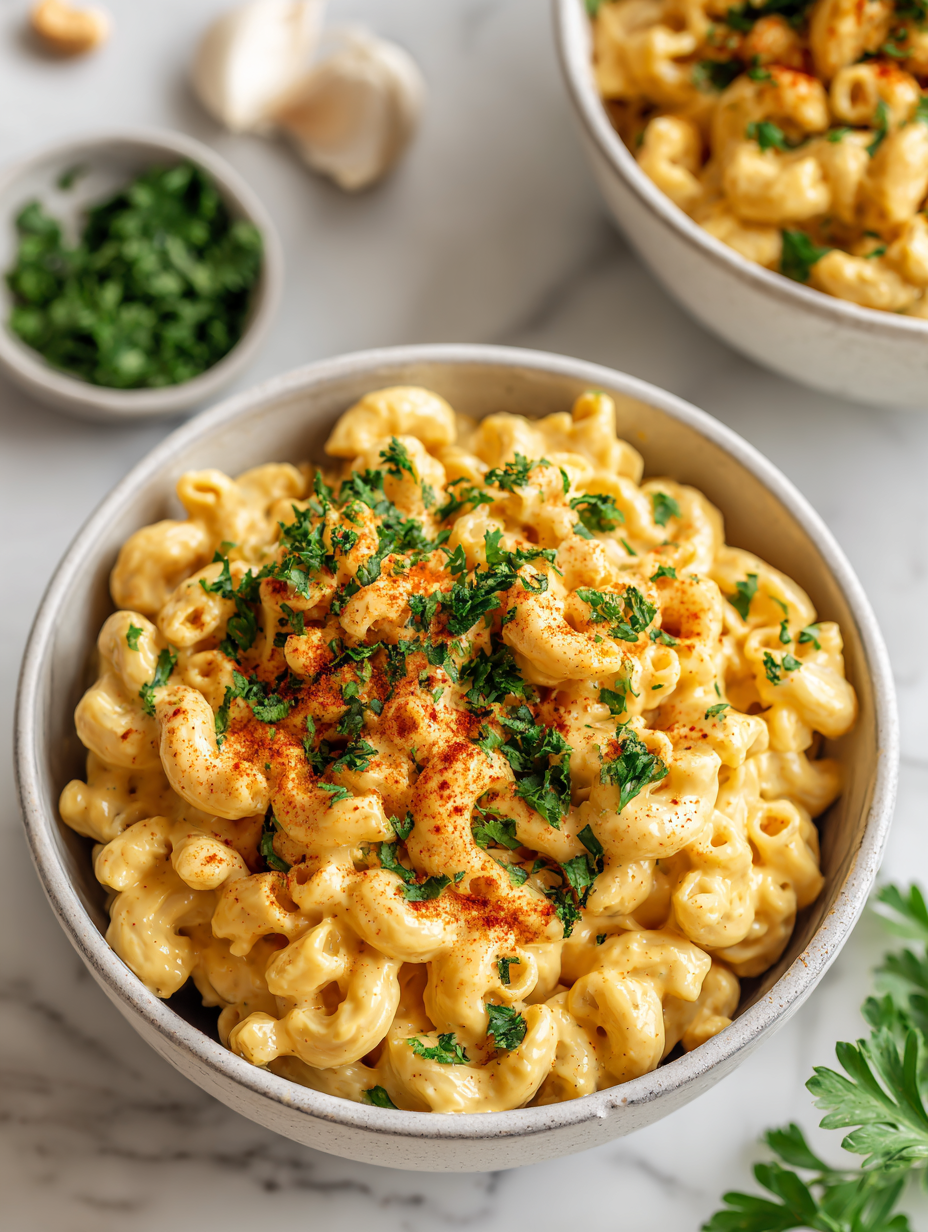
- Appearance is glossy, with a cheesy aroma and slight smoky hue.
Vegan Mac and Cheese
Ingredients
Equipment
Method
- Cook a large pot of salted water to a rolling boil, then add your vegan pasta. Cook until al dente, about 8-10 minutes, then drain, saving a little pasta water for adjusting sauce consistency.
- While the pasta cooks, drain the soaked cashews and add them to a high-speed blender along with nutritional yeast, mustard, lemon juice, smoked paprika, and plant-based milk. Blend until completely smooth and creamy, about 1-2 minutes, stopping to scrape down the sides if needed.
- Pour the blended sauce into a saucepan and warm over medium heat. Stir constantly and cook for 3-5 minutes until it thickens slightly and becomes fragrant, with a glossy, velvety texture.
- If the sauce becomes too thick, add a splash of reserved pasta water and stir until smooth and pourable.
- Taste the sauce and adjust seasonings as needed—adding more lemon juice for brightness or more nutritional yeast for cheesiness.
- Add the cooked pasta to the sauce, tossing gently to coat each piece evenly. Continue to cook together for 1-2 minutes until warmed through and the sauce clings to the pasta.
- Transfer the cheesy pasta to a serving bowl, and let it sit for a minute or two for the flavors to meld. Serve hot, garnished with fresh herbs if desired.
Pro tips for perfect vegan mac and cheese
- Use soaked cashews for a creamier, more velvety sauce. Soak at least 4 hours or quick-soak in hot water for 30 minutes.
- Warm your plant-based milk before blending to help the sauce emulsify smoothly and prevent clumping.
- Add nutritional yeast gradually, tasting as you go, to build a nuanced cheesy flavor without overpowering.
- When simmering the sauce, keep the heat medium and stir constantly to avoid sticking or burning at the bottom.
- If sauce becomes too thick, loosen with reserved pasta water, stirring until silky and coat-worthy.
- Finish with a splash of lemon juice off heat to brighten the flavor and balance the richness.
- Use a high-speed blender for a super smooth, creamy texture—avoid pulsing to prevent splatter.
Common mistakes and how to fix them
- FORGOT to measure pasta water → use it to adjust sauce consistency.
- DUMPED the sauce before blending → blend until completely smooth, no lumps left.
- OVER-TORCHED the cashews → soak longer or use a gentle heat to prevent bitterness.
- SKIPPED tasting and adjusting seasonings → taste at every step for perfect balance.
Quick kitchen fixes
- If the sauce is too thick, splash in hot plant milk and stir until silky.
- When the sauce separates, blitz it again in the blender for a smoother texture.
- Splash a little lemon juice to brighten up a dull-tasting sauce.
- Patch grainy sauce by whisking in warm water or more plant milk slowly.
- Shield from burning by reducing heat immediately if you smell a toasty aroma.
Prep, store, and reheat tips
- Prepare the sauce: blend and season the sauce up to 2 days in advance. Keep it refrigerated in an airtight container, and it will stay fresh for about 3 days. Reheat gently, stirring often, until warm and creamy—smell for that cheesy aroma before serving.
- Cook the pasta ahead: cook the pasta until just al dente, drain, and toss with a little oil to prevent sticking. Store in an airtight container in the fridge for up to 24 hours. Reheat in hot water or microwave, adding a splash of plant milk if needed to restore creaminess.
- Flavor deepening: the flavors in this dish often meld better after sitting overnight in the fridge. Expect a slightly more concentrated, cozy flavor profile. Reheat and stir well before serving for the best texture.
- Reheating tips: gently reheat on the stove over low heat, stirring constantly. Alternatively, microwave in short bursts, stirring in between. Watch for sauce separation; if it occurs, whisk in a splash of plant milk or reserved pasta water to restore smoothness. Sensory cue: smell should be cheesy, with a hint of smokiness, and the texture creamy without clumps.
Top questions about vegan mac and cheese
1. Can I make this without cashews?
Use soaked cashews blended with plant milk for a rich, cheesy base. The texture is smooth and velvety, like traditional cheese sauce.
2. What are good nut-free alternatives?
Yes, sunflower seeds or silken tofu can mimic creaminess. They won’t have the same flavor but will still be satisfying.
3. How do I make it tangier?
Add lemon juice or vinegar to brighten the sauce. It enhances the cheesy flavor and cuts through richness, giving a fresh zing.
4. How long should I cook the pasta?
Cook the pasta until just al dente, about 8-10 minutes. Overcooked pasta becomes mushy and loses texture in the sauce.
5. How smooth should the sauce be?
Blend the sauce until completely smooth, about 1-2 minutes. Use a high-speed blender for best results, avoiding lumps.
6. How long does it keep?
Store leftovers in an airtight container in the fridge for up to 3 days. Reheat gently, stirring often, until hot and creamy.
7. How do I fix a thickened sauce?
If the sauce thickens upon cooling, stir in a splash of plant-based milk during reheating until silky again.
8. Can I omit nutritional yeast?
Use nutritional yeast for that cheesy umami flavor. If you don’t have it, try vegan Parmesan or miso paste for depth.
9. How can I make it smoky?
Add smoked paprika or liquid smoke for a smoky flavor. You can also sprinkle some on top for extra depth.
10. How do I know when it’s seasoned well?
Taste and adjust seasonings as you go. Extra lemon, mustard, or nutritional yeast can elevate the flavor to perfection.
This dish isn’t just about comfort; it’s about reclaiming simplicity and flavor with pantry staples. When I make it, I think of cozy nights and the satisfaction of turning humble ingredients into something rich and cheesy without any dairy. It’s a reminder that good food doesn’t need fuss or fancy ingredients.
Sharing this recipe feels like passing on a little secret—something quick, honest, and deeply satisfying. It’s perfect for those busy nights or when you just want something warm and familiar, but plant-based. No matter how many times I make it, I’m still surprised by how a handful of simple ingredients can come together so satisfyingly.
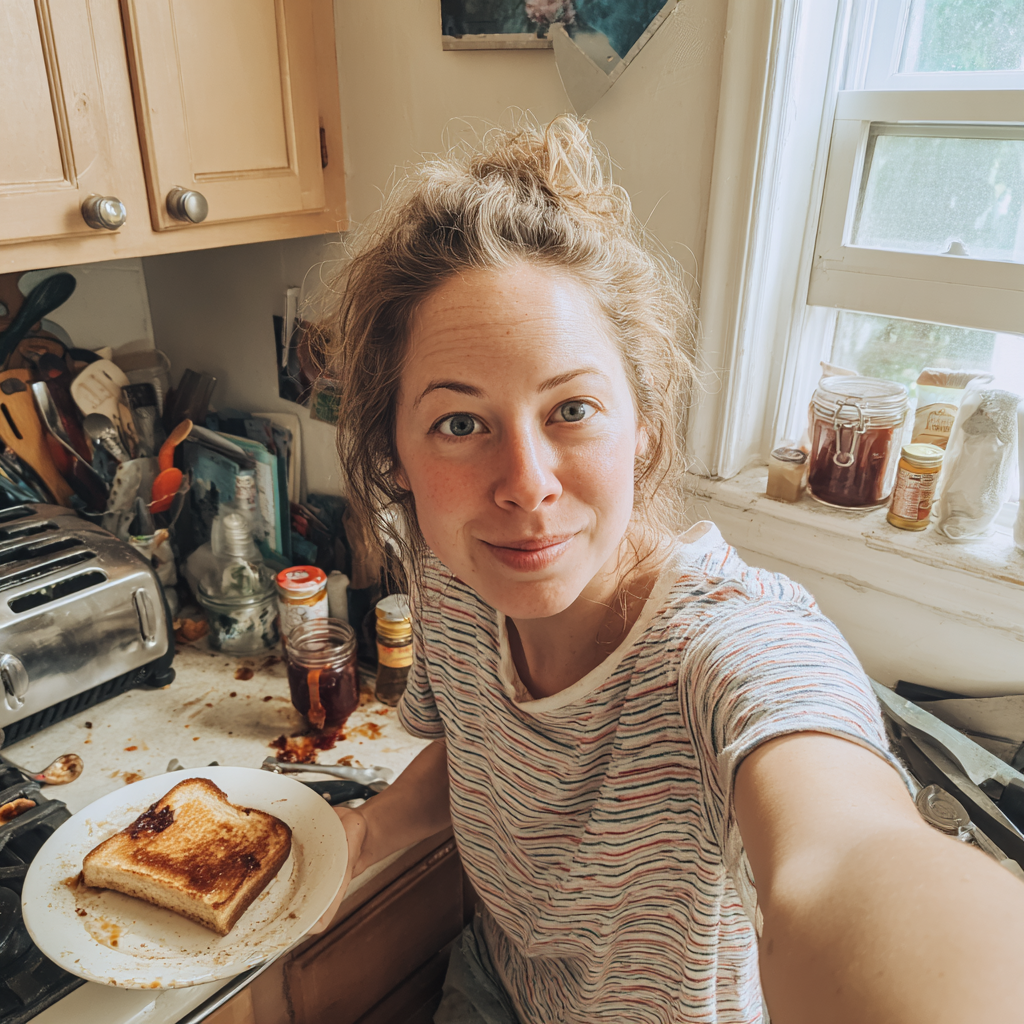
Hi, I’m Lily Ashworth – and if you’ve ever cried over a burnt grilled cheese or served cereal for dinner after a kitchen disaster, you’re in the right place. The phrase “say a little prayer for the burnt toast” became a family joke – something we’d mutter while scraping crumbs into the sink and laughing at yet another kitchen misadventure.