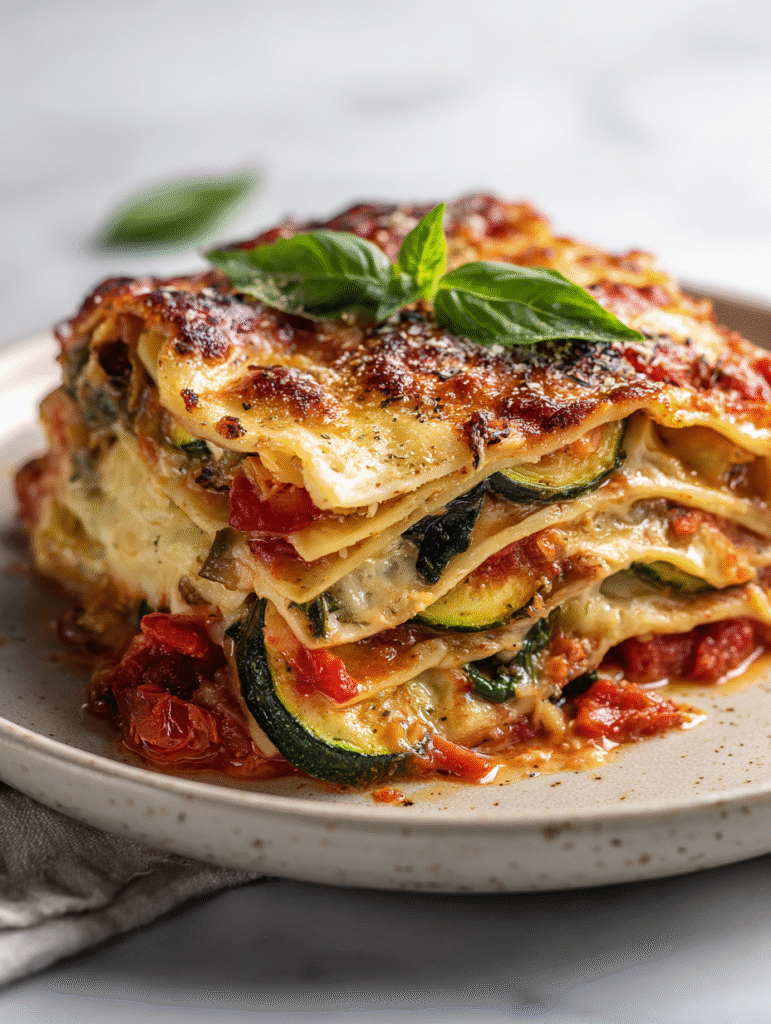
This vegan lasagna is my attempt to bottle that warm, fuzzy feeling of childhood dinners without any dairy or meat. It’s funny how a simple dish can carry so much nostalgia, especially when it’s made with honest ingredients you already keep in the kitchen. I love the way the aroma of baked tomato sauce and melting plant-based cheese fills the house, pulling everyone to the table.
I’ve tweaked this recipe over the years, trying to keep it accessible—no fancy ingredients, just honest, everyday stuff. It’s a dish that invites everyone to the table, no matter their dietary needs, and somehow feels like a hug from the past. There’s a certain pride in serving up something that’s cozy, familiar, and made from scratch, especially when it’s so easy to pull together.
Focusing on the nostalgic comfort of childhood dinner tables, this vegan lasagna recipe emphasizes simple, family-friendly flavors using everyday ingredients, but with a twist that makes it feel like a warm hug from the past.
The story behind this recipe
- This vegan lasagna came from a need to recreate the comforting, layered magic of childhood dinners but with plant-based ingredients. I remember my mom’s thick tomato sauce bubbling in the oven, the smell filling the whole house, and how everyone would hover near the kitchen, eager to dig in. I wanted to bottle that warmth, that familiarity, and make it accessible for everyone at the table.
- Over the years, I’ve played with different cheeses, sauces, and noodles, but I keep coming back to this version because it hits that nostalgic spot without fuss. It’s a dish that feels like a little hug, even when shared with new friends or family members trying vegan for the first time. There’s a quiet pride in serving something that’s both simple and deeply satisfying.
- Whenever I make this, I think about how food can connect us to memories, even across generations. It’s not just about eating; it’s about recreating those moments of togetherness, warmth, and shared stories around the dinner table.
Ingredient breakdown: key components
- Tomato sauce: I simmer mine until it’s thick, bubbling with a rich, smoky aroma. Feel free to add a splash of red wine for depth, or a pinch of sugar if it’s too tangy for your taste.
- Cashew cheese: Blended with lemon and nutritional yeast, it’s creamy and slightly tangy. If you prefer a milder flavor, skip the lemon or add a bit more nutritional yeast for umami.
- Lasagna noodles: I use whole wheat for a nuttier flavor and extra fiber, but regular or gluten-free work just as well—just watch the cooking time and salt the water generously.
- Spinach: I sauté mine quickly to wilt out excess moisture and lock in flavor, giving the layers a vibrant, earthy pop. Frozen spinach can work in a pinch—just squeeze out the excess water first.
- Herbs and spices: I toss in fresh basil and oregano, which brighten the sauce and cheese. If you’re out, dried works fine—just use half as much, and crush it between your fingers for extra aroma.
- Plant-based mozzarella: I love the gooey stretch, especially when it’s just starting to melt and crackle. If you prefer a sharper flavor, try a smoked or aged vegan cheese—just keep an eye on the oven so it doesn’t over-torch.
- Olive oil: I drizzle a little over the assembled lasagna before baking for a glossy finish and extra richness. Use a good-quality extra virgin—your nose will thank you for the fruity, peppery aroma.
Spotlight on key ingredients
Cashews and vegan cheese:
- Cashews: I blend mine until ultra-smooth, feeling like a silky, cheesy sauce. When properly processed, it’s velvety and slightly tangy, perfect for spreading or layering.
- Vegan cheese: I love how it melts into a gooey, bubbly top that crackles slightly at the edges. It’s stretchy and flavorful, adding that cheesy pull you crave in lasagna.
Notes for ingredient swaps
- Dairy-Free: Use coconut or almond-based cheese for a rich, slightly sweeter flavor that melts well.
- Gluten-Free: Swap regular lasagna noodles for rice or corn-based versions—watch cooking times carefully.
- Low-Sodium: Opt for no-salt-added canned tomatoes and unsalted cashews to control salt levels.
- Soy-Free: Replace soy-based tofu with blended cooked cauliflower or white beans for creaminess.
- Nut-Free: Use blended cooked pumpkin or sunflower seeds instead of cashews for the cheese layer.
- Fresh Herbs: Substitute fresh basil and oregano with dried—use half as much, crush to release aroma.
- Tomato Sauce: Roast fresh tomatoes for a smoky depth, or use quality canned tomatoes for convenience.
Equipment & Tools
- Large pot: Boil noodles evenly and efficiently.
- Skillet: Sauté onions, garlic, and spinach.
- Saucepan: Simmer tomato sauce and prepare cashew cheese.
- Blender: Puree cashews into smooth cheese.
- 9×13 inch baking dish: Layer and bake the lasagna.
- Aluminum foil: Cover during initial baking to keep moisture in.
Step-by-step guide to vegan lasagna
- Preheat your oven to 180°C (350°F). Grab a 9×13 inch (23×33 cm) baking dish and a large pot for boiling noodles.
- Cook the lasagna noodles in boiling salted water until just al dente, about 8-10 minutes. Drain and set aside.
- While noodles cook, heat a tablespoon of olive oil in a skillet over medium. Add chopped onions and garlic, sauté until fragrant and translucent, about 5 minutes. Let cool slightly.
- Prepare the tomato sauce: in a saucepan, combine crushed canned tomatoes, a splash of olive oil, salt, pepper, and dried oregano. Simmer on low for 20-25 minutes, stirring occasionally until thickened and fragrant.
- Make the cashew cheese: in a blender, process soaked cashews, lemon juice, nutritional yeast, a pinch of salt, and water until smooth and creamy. Adjust thickness with more water if needed. Taste and tweak lemon or nutritional yeast for flavor.
- Layer the lasagna: spread a thin layer of tomato sauce in the bottom of the dish. Add a layer of noodles, then spread some cashew cheese, sautéed spinach, and a sprinkle of vegan mozzarella. Repeat layers until ingredients are used, finishing with sauce and cheese on top.
- Cover with foil and bake for 30 minutes. Remove foil, increase oven to 200°C (390°F), and bake for another 10 minutes until the top is bubbly and golden.
- Check for doneness: the cheese should be melted and slightly browned, sauce bubbling around the edges, and noodles tender when poked with a fork.
- Let the lasagna rest for at least 10 minutes before slicing. This helps it set and makes serving easier. Garnish with fresh basil if desired.
Let the lasagna rest uncovered for 10 minutes to set before slicing. Serve warm, garnished with fresh basil if desired. Slice with a sharp knife to keep layers neat.
How to Know It’s Done
- The top is golden and bubbly; edges slightly crisp.
- Noodles are tender but not mushy when tested with a fork.
- Center reads about 75°C (165°F) when checked with a probe thermometer.
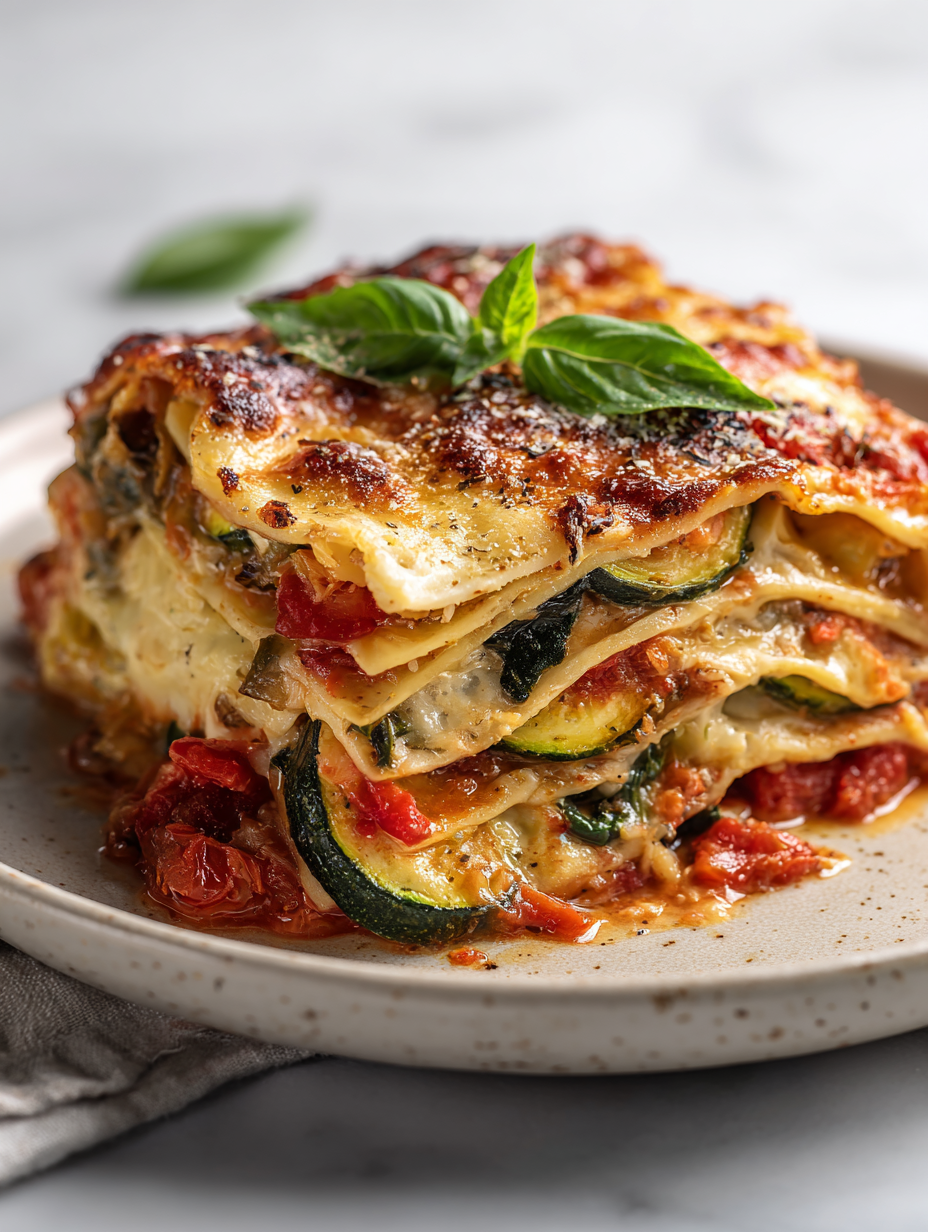
Vegan Lasagna
Ingredients
Equipment
Method
- Bring a large pot of salted water to a boil, then add the lasagna noodles and cook until just al dente, about 8-10 minutes. Drain and set aside.
- In a skillet, heat olive oil over medium heat. Add chopped onion and sauté until translucent and fragrant, about 5 minutes. Add minced garlic and cook for another minute until aromatic.
- Add crushed tomatoes to the skillet with the sautéed aromatics. Stir in dried oregano, salt, and pepper. Let simmer on low for 20-25 minutes until thickened and fragrant, stirring occasionally.
- Meanwhile, drain soaked cashews and blend them with lemon juice, nutritional yeast, a pinch of salt, and a splash of water until smooth and creamy. Adjust the consistency with more water if needed, and taste to tweak lemon or yeast for flavor.
- Once the tomato sauce is ready, add the fresh spinach and cook just until wilted, about 2 minutes. Remove from heat and set aside.
- To assemble, spread a thin layer of tomato sauce at the bottom of the baking dish. Place a layer of cooked noodles over the sauce, then spread some cashew cheese evenly. Sprinkle with shredded vegan mozzarella.
- Repeat the layers—sauce, noodles, cashew cheese, mozzarella—until all ingredients are used, ending with a top layer of sauce and cheese for a bubbly, golden finish.
- Cover the dish tightly with aluminum foil and bake in a preheated oven at 180°C (350°F) for 30 minutes. Then, remove the foil and bake for an additional 10 minutes until the top is bubbly and golden brown.
- Once baked, let the lasagna rest for at least 10 minutes. This helps it set and makes slicing easier without collapsing the layers.
- Garnish with fresh basil leaves, slice into portions, and serve warm. Enjoy the cheesy, comforting layers with family or friends.
Tips and tricks for perfect lasagna
- Bolded mini-head: Use a wide, flat spoon to evenly spread the cashew cheese for a smooth, uniform layer.
- Bolded mini-head: Sauté spinach just until wilted—overcooking releases excess moisture, making layers soggy.
- Bolded mini-head: When simmering tomato sauce, add a splash of olive oil to deepen flavor and enrich aroma.
- Bolded mini-head: Keep an eye on the cheese topping—remove just before it turns golden to avoid over-torched bits.
- Bolded mini-head: Rest the lasagna at least 10 minutes; it helps the layers set and prevents messy slices.
- Bolded mini-head: When boiling noodles, salt the water generously—salty water enhances flavor and prevents sticking.
- Bolded mini-head: For a smoky twist, add a pinch of smoked paprika to the tomato sauce during simmering.
Common mistakes and how to fix them
- FORGOT to check noodle doneness → Do a quick taste test for tenderness.
- DUMPED sauce before simmering → Let it simmer until thick and fragrant.
- OVER-TORCHED vegan cheese → Remove from oven when bubbly and golden, not burnt.
- MISSED resting time → Allow lasagna to rest 10 minutes for clean slices.
Quick fixes and pantry swaps
- When sauce is too thick → Splash in a bit of water or veggie broth, stir, and simmer briefly.
- If cheese isn’t melting → Increase oven temperature slightly or uncover for last 5 minutes.
- Splash burnt edges → Cover with foil and lower oven temp, then resume baking gently.
- Patch over cracked layers → Press gently to realign, then bake a few extra minutes for cohesion.
- Shield undercooked noodles → Cover with foil and bake an additional 10 minutes, check for tenderness.
Prep, store, and reheat tips
- Assemble the lasagna a day in advance; keep it covered in the fridge for up to 24 hours. The flavors meld beautifully overnight, and the top firms up nicely.
- Bake straight from the fridge, adding 10-15 minutes to the total baking time. The dish will be hot and bubbling, with the cheese slightly browned on top.
- Store leftovers in an airtight container in the fridge for up to 4 days. Reheat in the oven at 180°C (350°F) until warmed through, about 20 minutes, until the edges crackle and the center is hot.
- For longer storage, freeze individual slices or the whole dish for up to 2 months. Thaw overnight in the fridge before reheating. Expect the texture to be slightly softer, with flavors still rich and inviting.
- Reheating: Cover with foil to prevent drying out. For a crispy top, uncover during the last 5 minutes of reheating. The aroma should be savory, with a slight cheesy burnished scent, and the layers hot and tender.
Top questions about vegan lasagna
1. How do I make the cashew cheese creamy?
Use soaked cashews blended with lemon juice and nutritional yeast. It’s creamy and tangy, mimicking cheesy richness. Feel free to add a splash of water if it’s too thick.
2. Can I use frozen spinach?
Yes, cooked spinach works perfectly after squeezing out excess moisture. Frozen spinach should be thawed and drained well to avoid sogginess.
3. What’s the best oven temperature?
Bake at 180°C (350°F) covered for 30 minutes, then uncover and bake at 200°C (390°F) until bubbly and golden, about 10 minutes.
4. Can I make it gluten-free?
Use gluten-free noodles or zucchini slices for a low-carb version. Adjust cooking times as needed and ensure noodles are cooked al dente.
5. Can I prepare this in advance?
Prepare the sauce and cheese a day ahead, assemble the lasagna, then refrigerate overnight. It tastes even better once flavors meld.
6. How can I add more flavor?
Add a pinch of smoked paprika or chili flakes to the sauce for a smoky or spicy kick. Adjust to your taste for extra depth.
7. My cheese isn’t browning?
If the top isn’t browning, increase oven temp slightly or broil for 1-2 minutes, watching closely to avoid burning.
8. How should I reheat leftovers?
Cover leftovers tightly and reheat in the oven at 180°C (350°F) for about 20 minutes, until bubbling and hot throughout.
9. How long should I let it rest?
Use a sharp knife to slice after resting for 10 minutes. This helps the layers set and prevents messy slices.
10. How can I improve the sauce?
For a richer flavor, simmer the tomato sauce longer until it’s thick and aromatic. Feel the sauce thicken and smell the deepen.
Making this vegan lasagna always takes me back to those Sunday dinners with family, the smell of tomato and herbs filling the house. It’s a comforting reminder that simple ingredients can create something deeply satisfying, no matter your dietary choices. Plus, it’s a dish that welcomes everyone to the table, which feels more necessary than ever these days.
When I pull it out of the oven and see that bubbly, golden top, I feel a quiet pride. It’s not just about the taste but the effort and love woven into each layer. Sharing it makes me realize how food can really bring us closer, even in the busiest moments.

Hi, I’m Lily Ashworth – and if you’ve ever cried over a burnt grilled cheese or served cereal for dinner after a kitchen disaster, you’re in the right place. The phrase “say a little prayer for the burnt toast” became a family joke – something we’d mutter while scraping crumbs into the sink and laughing at yet another kitchen misadventure.