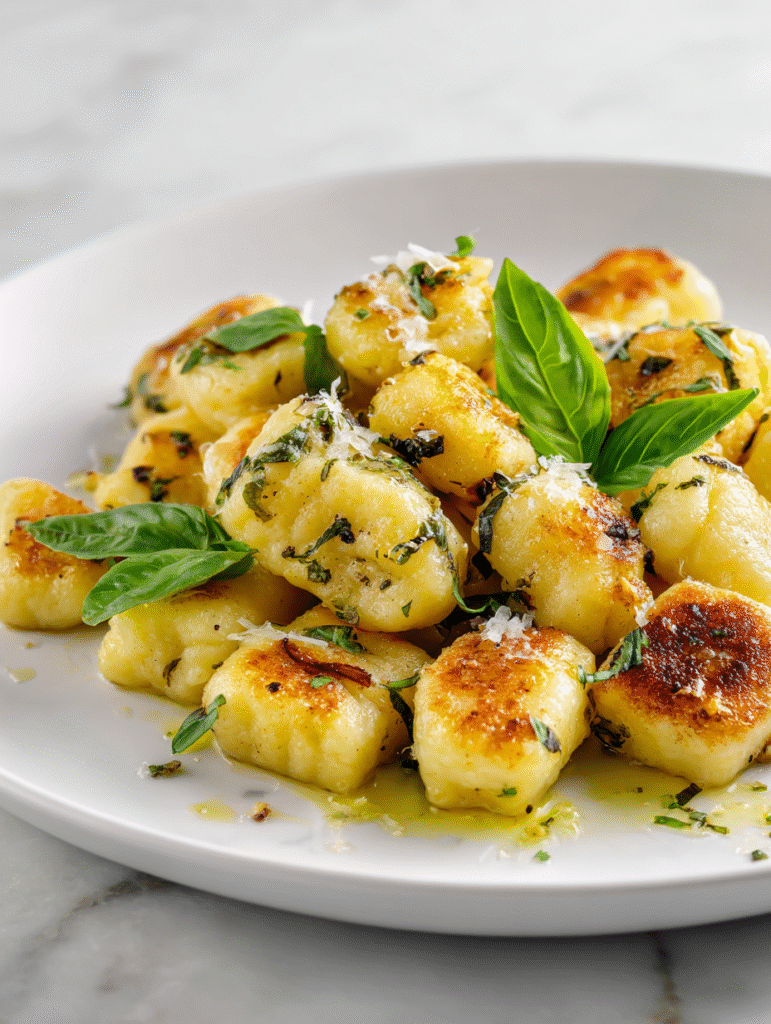
There’s something quietly satisfying about making gnocchi by hand. It’s not just about the final fluffy, pillowy bites, but the tactile joy of kneading soft dough, feeling it come together—silky, slightly sticky, but manageable. When you shape each piece, it’s like a small act of mindful crafting, a moment of connection to the process that’s often missing in busy kitchens.
Vegan gnocchi might seem intimidating at first, especially when you’re used to traditional recipes with eggs and butter. But I’ve learned that with a few simple swaps and a bit of patience, you can create something just as tender and satisfying. Plus, it’s a wholesome, comforting dish that feels like a little culinary victory, especially when served with a bright, herby sauce or a drizzle of good olive oil.
This recipe has become a bit of a ritual for me—something I turn to when I need a grounding, hands-on cooking experience. It’s perfect for slow weekends or a cozy weeknight, when you want to focus on the process as much as the taste. And honestly, there’s a quiet pride in pulling off perfect, fluffy gnocchi that’s just the right amount of tender, with none of the usual starchy heaviness.
Focusing on the surprising elegance of handmade vegan gnocchi, emphasizing the tactile pleasure of kneading and shaping dough that feels just right, and celebrating the small victories of perfect texture and fluffy bite.
The story behind this recipe
- I first stumbled upon vegan gnocchi during a rainy weekend, craving comfort but wanting to keep it light and plant-based. The process of mashing potatoes and mixing in just the right amount of flour felt like a small, satisfying puzzle, especially when I finally shaped those tiny pillows and watched them cook to fluffy perfection. It’s a dish that connects me back to simple pleasures—slow cooking, tactile textures, and honest ingredients—that somehow feel more meaningful now.
- One evening, I was experimenting with different flours and realized that the secret to tender gnocchi lies in the balance—too much flour makes them dense, too little makes them sticky. That balancing act became a quiet ritual, a way to tune into the dough’s subtle changes and learn how to shape it just right. Now, every batch reminds me that some of the best meals come from patience and a bit of gentle practice.
- This recipe isn’t just about the end result. It’s about the quiet joy of kneading, shaping, and watching those tiny dumplings bob to the surface—an almost meditative process that makes each bite even more satisfying. It’s a simple reminder that good food often comes from honest effort, and that vegan can be just as indulgent as any comfort dish I grew up loving.
Ingredient breakdown: key components
- Potatoes: I prefer starchy, floury potatoes like Russets—they mash into a smooth, velvety base that’s essential for light gnocchi. Use a bit less flour if your mash feels too heavy.
- Flour: I stick to a neutral-tasting, all-purpose flour, but rice or gluten-free blends can work if you’re avoiding wheat. Expect a slightly denser bite, so adjust quantities carefully.
- Aquafaba: My secret for extra fluffiness—adds moisture and a slight richness. If you don’t have it, a splash of water or plant milk works, but the texture might be a touch denser.
- Salt: I like a good pinch in the dough to enhance flavor, especially since vegan gnocchi can sometimes taste a bit bland. Taste the dough—if it’s bland, add more salt.
- Olive Oil: I drizzle a tiny bit into the dough for richness and to keep it from sticking. It also adds a subtle fruity note—skip it if you prefer a more neutral flavor.
- Herbs & Spices: Fresh basil or thyme can lift the flavor, but I often stick to just salt and pepper. If using dried herbs, add sparingly—they can overpower if too strong.
- Optional: Lemon zest or nutritional yeast can add brightness or umami, respectively. I love the zing of lemon, especially with a simple tomato sauce—adds a fresh, zingy burst.
Spotlight on key ingredients
Potatoes:
- I favor starchy, fluffy varieties like Russets—they mash into a silky base that keeps gnocchi light. Less flour if mash feels too dense.
- Flour: I rely on all-purpose for a neutral flavor, but rice or gluten-free blends work if needed. Expect slightly denser gnocchi, so measure carefully.
- Aquafaba: My secret for airy gnocchi—adds moisture and a subtle richness. Without it, water or plant milk can substitute, but may yield a firmer bite.
Key seasonings and fats:
- Flour: I use plain all-purpose, but almond or chickpea flour can be interesting swaps—expect a denser, nuttier result.
- Salt: Just a pinch in the dough elevates flavor. If you prefer, use sea salt for a cleaner taste, especially if you’re adding herbs or spices.
- Olive Oil: Adds richness and keeps dough pliable. Use a good extra virgin for fruity notes—or skip for a more neutral gnocchi.
Notes for ingredient swaps
- Potatoes: Russets are my go-to for fluffiness. Sweet potatoes work, but expect a denser, moister gnocchi.
- Flour: All-purpose is reliable, but almond or chickpea flour can work—expect a slightly nutty flavor and denser texture.
- Aquafaba: Canned chickpea brine adds fluff, but unsweetened applesauce is a good egg replacer with a softer bite.
- Salt: Fine sea salt enhances flavor; if you prefer, use smoked salt for a subtle smoky note.
- Olive Oil: Extra virgin adds richness, but a neutral oil like grapeseed keeps the flavor clean and light.
- Herbs & Spices: Fresh basil or thyme lift the dish, but dried herbs are a quick substitute—use sparingly to avoid overpowering.
- Lemon zest or nutritional yeast: Lemon zest brightens, while nutritional yeast adds umami—both are optional but elevate flavor.
Equipment & Tools
- Large pot: For boiling potatoes and gnocchi.
- Potato masher or fork: To mash potatoes smoothly.
- Mixing bowl: To combine ingredients.
- Bench scraper or knife: To shape and cut gnocchi.
- Slotted spoon: To remove cooked gnocchi from water.
- Large frying pan: To sauté gnocchi for texture.
- Baking sheet: To rest shaped gnocchi.
Guide to Perfect Vegan Gnocchi
- Equipment & Tools: Boiling pot for potatoes (large, deep), potato masher or fork (for smooth mash), mixing bowl (to combine ingredients), bench scraper or knife (for shaping), slotted spoon (to remove gnocchi), large frying pan (for sautéing or serving), and a baking sheet (for resting).
- Boil potatoes: Place potatoes in cold water, bring to a gentle simmer, and cook for 20-25 minutes until tender when poked with a fork. Drain and let cool slightly.
- Mash potatoes: While still warm, mash potatoes until smooth. If lumps remain, pass through a fine sieve for extra silkiness. Let cool a bit but not completely cold.
- Mix dough: In the bowl, add potato mash, flour, aquafaba, salt, and olive oil. Mix gently with a spatula or hands until just combined. The dough should be soft but workable. Add more flour if sticky, or a splash of water if too dry.
- Shape gnocchi: Divide dough into four portions. Roll each into a long rope about 2 cm (¾ inch) thick. Cut into 2 cm (¾ inch) pieces. Gently roll each piece over a fork or a gnocchi board to create ridges, if desired.
- Rest gnocchi: Place shaped gnocchi on a floured baking sheet. Let rest at room temperature for 10 minutes to firm up, which helps prevent sticking during cooking.
- Cook gnocchi: Bring a large pot of salted water (about 2 liters, 4 quarts) to a boil. Drop gnocchi in batches. When they float to the surface, about 2-3 minutes, they’re done. Remove with a slotted spoon.
- Finish & serve: Optional—pan-fry cooked gnocchi in a bit of olive oil until lightly golden for extra texture. Toss with your favorite sauce or herbs immediately after cooking.
- Resting & Finishing: Rest gnocchi on a floured tray. For serving, toss in sauce or sauté until crisp on edges. Serve hot with fresh herbs or a drizzle of olive oil.
- Checkpoints & How to Know It’s Done: Gnocchi float to surface within 2-3 minutes. They should be tender but hold shape. The texture should be fluffy inside, with a slight chew. Appearance: light, slightly shiny, and not sticky.
Let gnocchi rest for 10 minutes before cooking. After boiling, toss with sauce or sauté in oil for a crispy edge. Serve immediately for best texture.
How to Know It’s Done
- Gnocchi float to surface within 3 minutes of boiling.
- They feel light and tender when gently pressed.
- Surface looks shiny and not sticky.
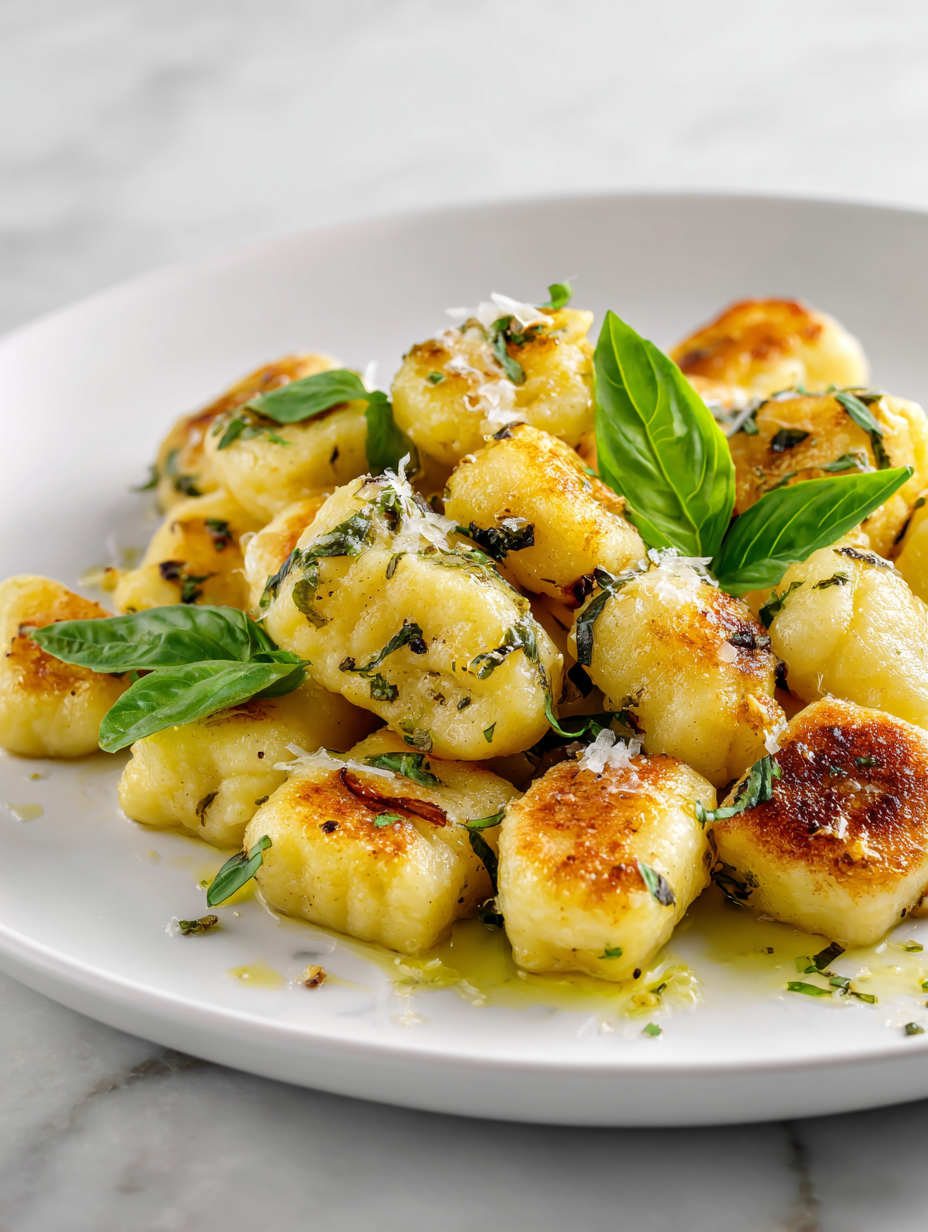
Vegan Handmade Gnocchi
Ingredients
Equipment
Method
- Place the potatoes in a large pot and cover with cold water. Bring to a gentle simmer and cook for about 20-25 minutes until easily pierced with a fork. Drain and let cool slightly.
- While still warm, mash the potatoes until smooth and creamy, using a potato masher or fork. Pass through a fine sieve if needed for extra silkiness. Let the mash cool just enough to handle comfortably.
- In a mixing bowl, combine the warm mashed potatoes, aquafaba, salt, and olive oil. Gently mix until the ingredients are just incorporated, creating a soft, slightly sticky dough.
- Sprinkle the flour over the dough and fold it in carefully, adding more flour if the dough feels too sticky. Knead gently until the dough is soft, smooth, and workable but not sticky.
- Divide the dough into four equal parts. Roll each into a long rope about 2 cm (¾ inch) thick on a floured surface.
- Cut each rope into 2 cm (¾ inch) pieces, and gently roll each piece over a fork or gnocchi board to create ridges—this helps sauce cling and gives an appealing look.
- Arrange the shaped gnocchi on a floured baking sheet and let rest at room temperature for about 10 minutes. This helps them firm up and prevents sticking during cooking.
- Bring a large pot of salted water to a gentle boil. Carefully drop the gnocchi in batches, ensuring they have enough space to float freely.
- Cook the gnocchi until they float to the surface, about 2-3 minutes. Remove with a slotted spoon as they rise, indicating they are tender and ready.
- Optional: Sauté the cooked gnocchi in a hot pan with a little olive oil until lightly golden and crispy on the edges—about 2 minutes per side.
- Serve the fluffy gnocchi immediately, topped with fresh herbs, a drizzle of olive oil, or your favorite sauce for a satisfying meal.
Tips for Perfect Vegan Gnocchi
- Bolded mini-head: Use a light touch when kneading—overworking the dough makes gnocchi dense and chewy.
- Bolded mini-head: Keep the dough slightly moist—if it cracks when shaping, add a tiny splash of water or aquafaba.
- Bolded mini-head: Boil in plenty of salted water—gentle bubbling and floating gnocchi indicate readiness.
- Bolded mini-head: Sauté in a hot pan—listen for a crackling sound and watch for a golden hue for crispy edges.
- Bolded mini-head: Rest shaped gnocchi briefly—let them firm up on a floured surface before boiling to prevent sticking.
- Bolded mini-head: Test doneness with a fork—gnocchi should easily pierce and float within 3 minutes.
- Bolded mini-head: Finish with a drizzle of olive oil—adds shine and a subtle fruity aroma, enhancing the final flavor.
Common mistakes and how to fix them
- FORGOT to flour the surface before shaping; dust generously to prevent sticking.
- DUMPED potatoes into cold water; start with hot water to prevent excess starch.
- OVER-TORCHED the gnocchi; reduce boiling time if they turn too soft or break apart.
- MISTAKENLY used too much flour; use just enough for a soft, pliable dough.
Quick fixes and pantry swaps
- When gnocchi stick, splash a little extra flour before shaping again.
- If water is boiling too vigorously, turn down the heat for gentle bubbles.
- Dump excess water quickly; use a slotted spoon to prevent breaking delicate gnocchi.
- Overcooked gnocchi become mushy; set a timer and watch for floating within 3 minutes.
- Patch sticky dough by dusting with more flour or adding a touch of water, then knead gently.
Prep, store, and reheat tips
- Prepare the potatoes and mash them ahead—cool completely and store in an airtight container in the fridge for up to 24 hours. The cooler, the better for shaping later.
- Shaped gnocchi can be frozen on a baking sheet for an hour, then transferred to a bag—keeps for up to a month. Add a little flour before freezing to prevent sticking.
- Refrigerated gnocchi are best cooked within 24 hours—they can start to stick or dry out if left longer. Keep them covered with a damp cloth if you need to wait.
- Reheat cooked gnocchi by sautéing in a hot pan with a drizzle of oil for 2-3 minutes until crispy and warm, or gently microwave for about 30 seconds—watch for rubbery texture.
Top questions about vegan gnocchi
1. How do I know when vegan gnocchi is cooked?
Gnocchi should be tender, light, and slightly firm to the bite. When they float after 2-3 minutes, they’re usually ready. Use a fork to test for doneness—if they pierce easily, they’re done.
2. Can I freeze vegan gnocchi?
Yes, you can freeze shaped gnocchi on a baking sheet for an hour, then transfer to a bag. They keep well for up to a month. Cook directly from frozen, adding a minute or two to boiling time.
3. What potatoes are best for vegan gnocchi?
Make sure your potatoes are starchy—Russets work best. Overworking the dough makes gnocchi dense. Keep the dough just combined and handle it gently when shaping.
4. How vigorously should I boil the gnocchi?
Use a gentle boil—just enough to make the gnocchi float. If the water is boiling too vigorously, they can fall apart or become mushy. Drop them carefully and watch for floating.
5. Can I pan-fry vegan gnocchi?
Yes, sautéing cooked gnocchi in a hot pan with a little oil adds crunch and flavor. Cook just until golden—about 2 minutes per side. It’s a great way to add texture.
6. What if the dough is too sticky or dry?
If your dough feels too sticky, dust it with a little more flour. If it’s too dry and crumbly, add a splash of water or aquafaba and knead gently again.
7. How do I remove gnocchi from boiling water?
Use a slotted spoon to remove gnocchi from boiling water. Do not overcrowd the pot—cook in batches. Gnocchi are done when they float and are tender.
8. How do I keep gnocchi tender?
Mix the dough just until combined to keep it tender. Overmixing activates gluten and makes gnocchi chewy. Handle it gently and don’t press too hard when shaping.
9. How should I store leftover gnocchi?
Add a splash of olive oil or serve immediately with fresh herbs and a drizzle of olive oil. If storing, keep in an airtight container and reheat in a hot pan or microwave.
10. What if my gnocchi stick together?
If the gnocchi stick together, dust them lightly with flour before cooking or frying. When in doubt, toss cooked gnocchi with a little oil to prevent sticking during serving.
Making vegan gnocchi by hand is a small act of rebellion against overly processed foods. It’s honest work—tactile, imperfect, and deeply satisfying in a way store-bought just can’t match. When you finally spoon that fluffy, tender pillow onto your plate, it’s a quiet reminder of what patience and simple ingredients can do.
This dish isn’t just about eating well; it’s about reconnecting with the slow rhythm of cooking. It’s a reminder that sometimes, the best meals are those made with care and a little messy love. And honestly, that’s the kind of comfort I keep coming back to, especially on days when I need a bit of grounding.
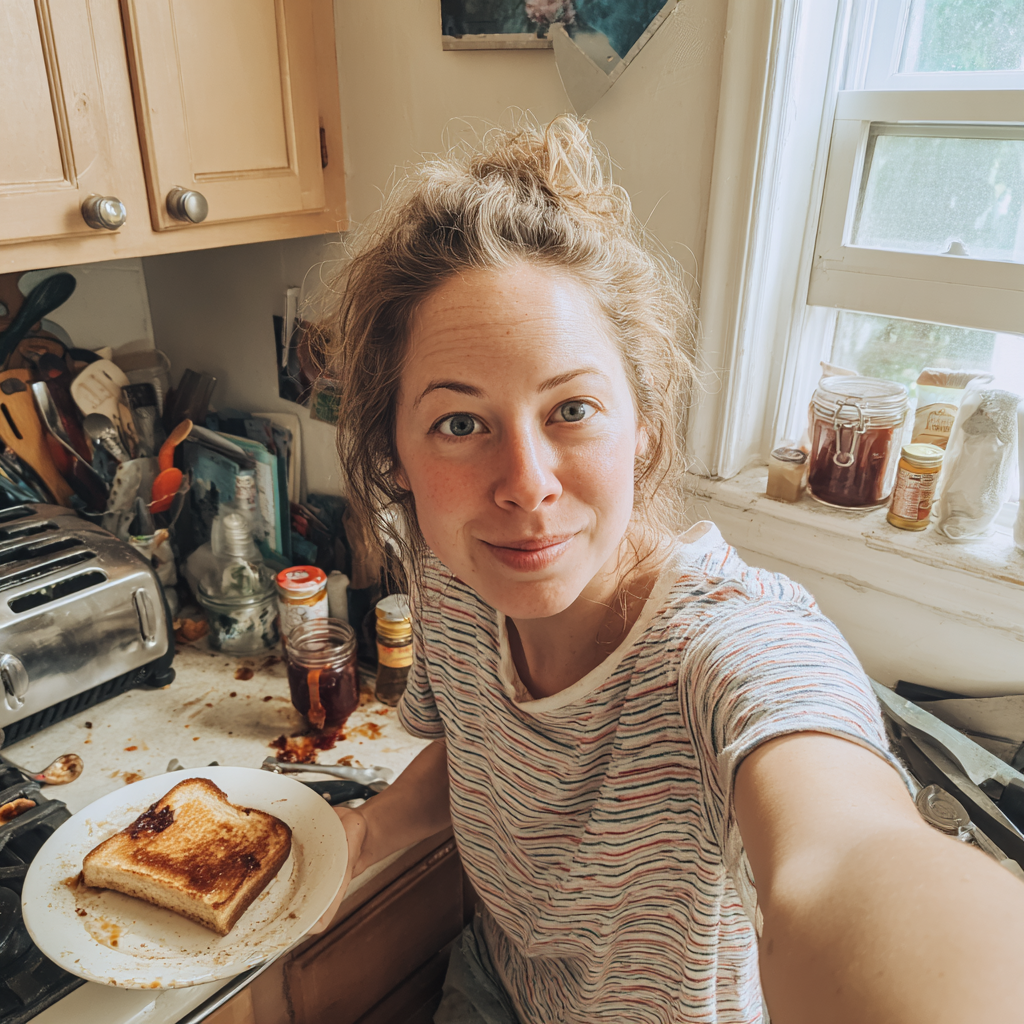
Hi, I’m Lily Ashworth – and if you’ve ever cried over a burnt grilled cheese or served cereal for dinner after a kitchen disaster, you’re in the right place. The phrase “say a little prayer for the burnt toast” became a family joke – something we’d mutter while scraping crumbs into the sink and laughing at yet another kitchen misadventure.