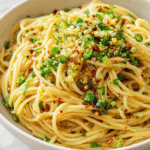
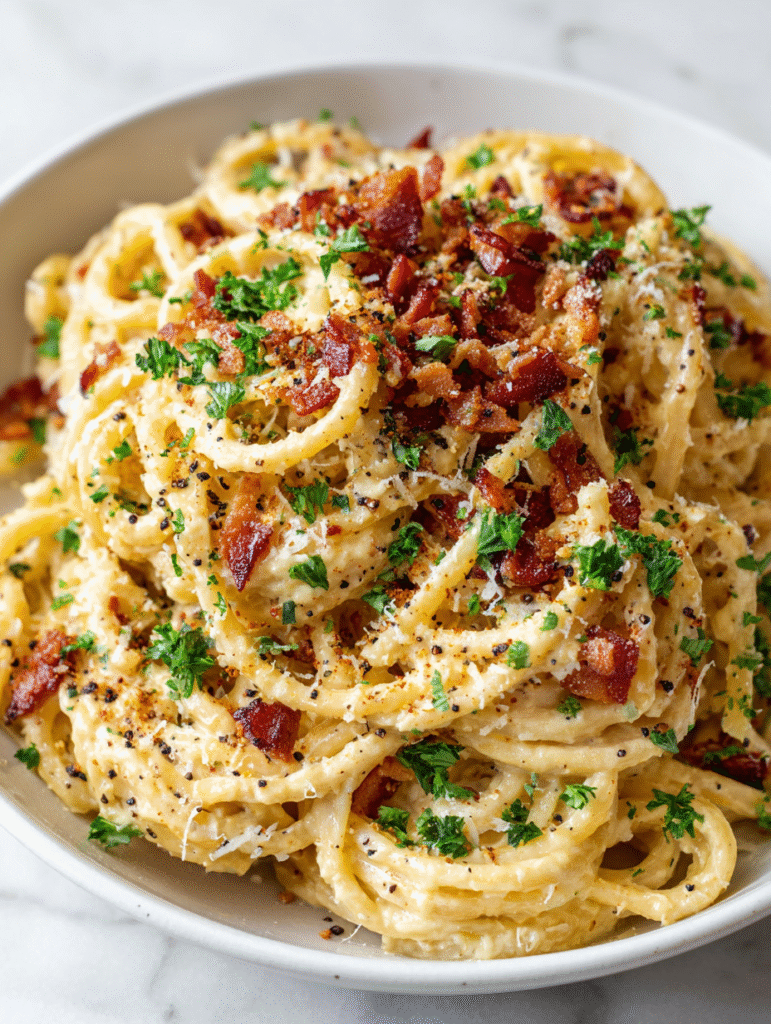
Vegan carbonara often gets a bad rap for being tricky to mimic the creamy, smoky richness of the classic. But I’ve found that with simple pantry staples and a bit of improvisation, you can turn humble ingredients into something surprisingly indulgent. It’s about embracing the chaos in the kitchen, tasting as you go, and trusting that honest food doesn’t need fancy substitutes.
This recipe isn’t about perfection, but about making do with what you have — a splash of that leftover pasta water, a smoky jar of nutritional yeast, and a pinch of patience. It’s a dish that’s become a sort of kitchen ritual for me, a reminder that plant-based comfort food can be quick, satisfying, and deeply satisfying in its own imperfect way.
Focusing on the art of creating a creamy, indulgent vegan carbonara without relying on store-bought substitutes, just honest kitchen staples and a bit of improvisation, to prove that comfort food can be both simple and plant-based.
The story behind this recipe
- This recipe came from a night when I was craving something decadent but had no eggs or cheese in the house. I wanted something that felt indulgent, but honest—no shortcuts, just real ingredients. Turns out, with a few pantry staples, you can mimic that silky, smoky bite of traditional carbonara and still keep it totally plant-based.
- Cooking this dish reminds me of the chaos and joy of improvising in the kitchen. It’s about trusting your instincts, tasting as you go, and embracing the imperfect. There’s a kind of satisfaction in turning simple staples into something that feels both familiar and new, with less guilt and more flavor.
- heading: The story behind this recipe
Ingredient breakdown
- Nutritional yeast: I love the cheesy, umami punch it adds, especially when toasted slightly in a dry pan first. Skip it if you’re sensitive to yeasty flavors, but it’s a game-changer for that authentic depth.
- Cashew cream: I blend soaked cashews until silky smooth, which mimics the creamy richness of eggs and cheese. For a lighter touch, try coconut milk, but you’ll lose some of that nutty, complex flavor.
- Smoked paprika: I sprinkle this in for a smoky aroma that’s key to capturing that carbonara essence. If you don’t have it, a dash of liquid smoke can work, but the paprika keeps it natural and vibrant.
- Pasta water: I save a cup before draining, the starchy water helps thicken the sauce and bind everything together. Don’t skip this step—without it, the sauce might feel a bit thin or cling too little.
- Mushrooms: I sauté sliced mushrooms until they’re dark and caramelized, adding a meaty texture and smoky flavor. You can swap for smoked tempeh or even eggplant, but mushrooms keep it earthy and satisfying.
- Black salt (kala namak): I love the sulfurous, egg-like aroma it imparts, bringing that nostalgic carbonara kick. Use sparingly—too much can overpower the dish, but it’s essential for that authentic flavor.
- Olive oil: I drizzle a good quality extra virgin olive oil at the end for brightness and richness. Skip or reduce if you’re aiming for a lighter dish, but it really ties all the flavors together.
Spotlight on key ingredients
Nutritional yeast:
- I love the cheesy, umami punch it adds, especially when toasted slightly in a dry pan first. Skip it if you’re sensitive to yeasty flavors, but it’s a game-changer for that authentic depth.
- Cashew cream: I blend soaked cashews until silky smooth, which mimics the creamy richness of eggs and cheese. For a lighter touch, try coconut milk, but you’ll lose some of that nutty, complex flavor.
- Smoked paprika: I sprinkle this in for a smoky aroma that’s key to capturing that carbonara essence. If you don’t have it, a dash of liquid smoke can work, but the paprika keeps it natural and vibrant.
Pasta water:
- Black salt (kala namak): I love the sulfurous, egg-like aroma it imparts, bringing that nostalgic carbonara kick. Use sparingly—too much can overpower the dish, but it’s essential for that authentic flavor.
- I save a cup before draining, the starchy water helps thicken the sauce and bind everything together. Don’t skip this step—without it, the sauce might feel a bit thin or cling too little.
Notes for ingredient swaps
- Dairy-Free: Nutritional yeast is key for cheesy flavor, but you can try miso paste for umami. It’s saltier, so use a bit less.
- Cashew Cream: Blended soaked cashews create that rich, silky texture. Silken tofu can be a quicker swap, but it’s less nutty and more neutral.
- Smoked Paprika: Adds smoky depth, but if you’re out, a few drops of liquid smoke or chipotle powder can mimic that charred aroma.
- Pasta Water: Starchy water helps thicken the sauce and cling. If you forget to save some, a splash of plant-based milk can help loosen it.
- Mushrooms: Sautéed mushrooms give meaty earthiness. For a different bite, smoked tempeh or even eggplant slices work, but mushrooms keep it natural and hearty.
- Black Salt: Provides that sulfurous, egg-like aroma. If you don’t have it, a pinch of garlic powder plus a tiny dash of turmeric can offer a similar hue and depth.
- Olive Oil: Finish with a good drizzle for brightness. For a lighter version, skip it or use a splash of flavored oil like garlic-infused.
Equipment & Tools
- Large skillet: Cook the mushrooms and sauce, combine ingredients.
- Blender: Puree the cashews into a smooth, creamy sauce.
- Measuring cup: Measure pasta water and liquids precisely.
- Knife: Slice mushrooms and mince garlic.
Step-by-step guide to vegan carbonara
- Equipment & Tools: Gather a large skillet (20cm/8in), a blender, a wooden spoon, a measuring cup, and a sharp knife.
- Bring a large pot of salted water to a boil (100°C / 212°F). Add your pasta (about 400g/14oz) and cook until al dente, about 8-10 minutes. Save 1 cup of starchy pasta water, then drain.
- While pasta cooks, soak 1 cup of raw cashews in hot water for 10 minutes, then drain. In a blender, combine the soaked cashews with 1/2 cup water, a tablespoon of nutritional yeast, a teaspoon of smoked paprika, a pinch of black salt, and a squeeze of lemon juice. Blend until very smooth. This will be your creamy sauce.
- Heat 2 tablespoons of olive oil in the skillet over medium heat (about 160°C / 320°F). Add sliced mushrooms (about 150g/5oz) and sauté until deeply caramelized, around 8 minutes. Add minced garlic (2 cloves) in the last minute, cooking until fragrant. Remove mushrooms and set aside.
- In the same skillet, add the blended cashew mixture. Warm gently over low heat (around 80°C / 176°F). Add a splash of reserved pasta water to loosen the sauce as needed. Stir constantly until the sauce thickens slightly and is hot but not boiling, about 2-3 minutes.
- Return the sautéed mushrooms to the skillet, stirring to combine. Cook for another minute until everything is heated through. Check the sauce’s consistency; it should be creamy and coat the pasta well. If too thick, add more pasta water, a tablespoon at a time.
- Add the cooked pasta straight into the skillet. Toss everything together over low heat for 1-2 minutes, ensuring the pasta is well coated. Taste and adjust seasoning—more black salt for egginess or lemon for brightness. The sauce should be silky, shiny, and cling to each strand.
- Rest the pasta for 2 minutes off heat. Finish with a drizzle of good olive oil and a sprinkle of freshly cracked black pepper. Plate immediately, garnished with chopped herbs if desired.
Toss the pasta with the sauce, let it sit for 2 minutes off heat. Finish with a drizzle of olive oil and cracked pepper, then serve immediately for the best silky texture.
How to Know It’s Done
- The sauce is silky and coats the pasta evenly, no clumps or runny patches.
- Mushrooms are deeply caramelized with a smoky aroma, not soggy or burnt.
- The pasta water has been added gradually, creating a smooth, slightly thickened sauce.
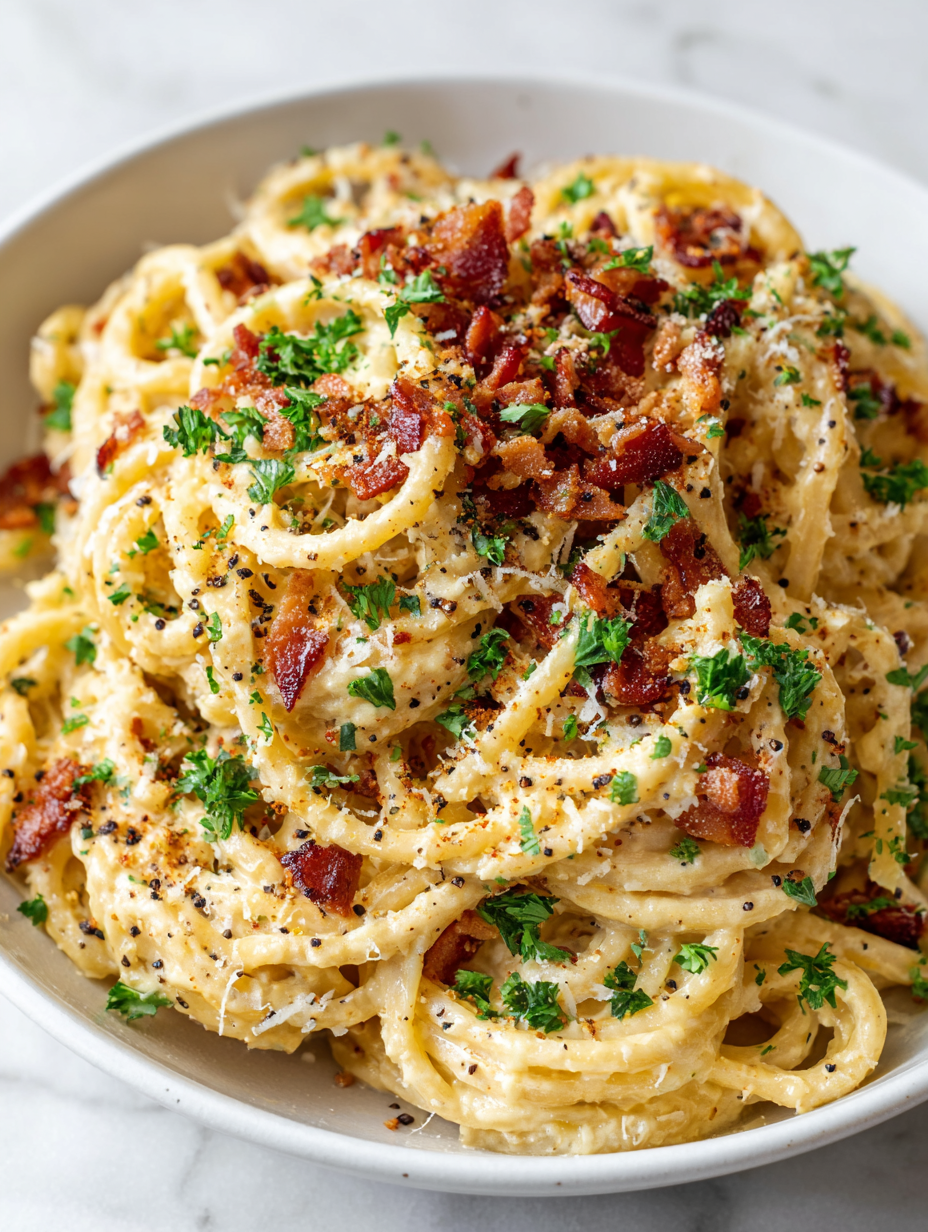
Vegan Carbonara
Ingredients
Equipment
Method
- Bring a large pot of salted water to a boil. Add your pasta and cook until al dente, about 8-10 minutes. Before draining, carefully scoop out a cup of starchy pasta water and set aside. Drain the pasta and set aside.
- While the pasta cooks, soak the cashews in hot water for 10 minutes, then drain. In a blender, combine the soaked cashews, water, nutritional yeast, smoked paprika, black salt, and a squeeze of lemon juice if you like. Blend until ultra-smooth and creamy, about 1-2 minutes.
- Heat 2 tablespoons of olive oil in a large skillet over medium heat. Add the sliced mushrooms and sauté for about 8 minutes, stirring occasionally, until deeply caramelized and fragrant. Add the minced garlic in the last minute and cook until fragrant.
- Pour the blended cashew sauce into the same skillet with the mushrooms. Warm gently over low heat, stirring constantly. Add a splash of the reserved pasta water to loosen the sauce until it's silky and coats the back of a spoon, about 2-3 minutes.
- Return the drained pasta to the skillet, tossing everything together over low heat. Add more pasta water as needed to help the sauce cling beautifully to the noodles. Cook for another minute to meld flavors, then taste and adjust seasoning with more black salt or smoked paprika if desired.
- Remove from heat, drizzle with a little extra virgin olive oil, and finish with freshly cracked black pepper. Serve immediately, garnished with chopped herbs if you like, and enjoy the creamy, smoky goodness.
Notes
Tips & Tricks for Perfect Vegan Carbonara
- Use freshly toasted nutritional yeast: Toast it in a dry pan until fragrant for a deeper, nuttier flavor that enhances the sauce.
- Blend cashews until ultra-smooth: Take your time blending until silky—any graininess will show in the final dish, so patience pays off.
- Sauté mushrooms until deeply caramelized: Achieve that smoky, umami-rich flavor by cooking over medium-high heat until dark and crispy around the edges.
- Add pasta water gradually: Incorporate a splash at a time, stirring constantly, until the sauce reaches a silky, clingy consistency—don’t rush this step.
- Finish with a delicate drizzle of olive oil: Off heat, a splash of good-quality olive oil adds shine and rounds out the flavor, making the dish feel richer.
- Use black salt sparingly: Its sulfurous aroma is key—start with a pinch, then taste and add more if needed to mimic that classic eggy note.
- Cook the garlic just until fragrant: About 30 seconds in the hot pan—too long and it’ll turn bitter, so keep an eye on it as it blooms.
Common mistakes and how to fix them
- FORGOT to check sauce consistency → Add more pasta water if too thick.
- DUMPED the pasta water too early → Save some before draining for the sauce.
- OVER-TORCHED the mushrooms → Cook until deeply caramelized, not burnt.
- MISSED the black salt → Use it sparingly for authentic sulfurous aroma.
Quick fixes and pantry swaps
- If sauce feels thin, splash in more pasta water and stir quickly.
- When mushrooms aren’t caramelized enough, turn up the heat and cook longer.
- Splash olive oil if the sauce starts to crackle or stick to the pan.
- Patch a broken sauce by blending in a little more cashew cream or plant milk.
- Shield the sauce from burning by reducing heat immediately and stirring constantly.
Prep, store, and reheat tips
- Prep the cashew cream and sauté mushrooms a day ahead; store in airtight containers in the fridge for up to 2 days. The flavors deepen overnight.
- Cook the pasta just until al dente, then toss with a little olive oil to prevent sticking. Keep in the fridge for up to 24 hours—reheat with a splash of water or plant-based milk to loosen the sauce.
- The sauce can be made up to 1 day in advance. Reheat gently over low heat, stirring constantly, until steaming and silky. Add extra pasta water if needed for desired consistency.
- Save pasta water before draining; it’s your secret weapon for the perfect sauce texture. Keep refrigerated if not used immediately, and add to the sauce during reheating for extra creaminess.
- For best flavor, reheat the assembled dish in a skillet over low heat, allowing the sauce to thicken slightly and develop a warm, inviting aroma before serving.
Top questions about vegan carbonara
1. Can I use other nuts instead of cashews?
Use soaked cashews blended until very smooth; they mimic creamy eggs and cheese. Skip if allergic but expect a different texture.
2. What’s the best substitute for black salt?
Black salt adds that sulfurous, egg-like aroma. If you don’t have it, a tiny pinch of turmeric and garlic powder can help mimic the flavor.
3. How do I get the sauce to stick better?
Starchy pasta water thickens the sauce and helps it cling. Save about a cup before draining to add gradually while tossing.
4. Is toasted nutritional yeast necessary?
Toasting nutritional yeast enhances its cheesy, nutty flavor. If you prefer, sprinkle it directly without toasting, but flavor may be less intense.
5. How do I know when mushrooms are done?
Sauté mushrooms until deeply caramelized, about 8 minutes, until dark and fragrant. Avoid burning by cooking over medium-high heat and stirring often.
6. Can I make this dish ahead?
Reheat the pasta gently in a skillet over low heat, adding a splash of plant-based milk or water to loosen the sauce. Stir constantly until steaming and silky.
7. Can I skip the smoked paprika?
Use smoked paprika for smoky depth. Liquid smoke can be a quick alternative but keep it minimal to avoid overpowering the dish.
8. How do I prevent garlic from burning?
Cook the garlic until fragrant, just 30 seconds, to avoid bitterness. Add it at the end of sautéing the mushrooms for best flavor.
9. Should I add cheese or vegan cheese?
Finish with a drizzle of good olive oil and cracked black pepper for brightness and richness just before serving.
10. Can I customize the ingredients?
Yes! This dish is flexible. You can substitute mushrooms with smoked tempeh or eggplant for different textures and flavors.
This vegan carbonara isn’t just a meal; it’s a reminder that comfort food can be honest, simple, and deeply satisfying without relying on heavy ingredients. It’s about trusting the process, tasting as you go, and embracing the imperfect charm of home cooking.
In times when quick, nourishing dishes matter most, this recipe offers a way to reconnect with staples, improvise freely, and enjoy a bowl that’s rich in flavor and honest intention. It’s a humble dish, but one that always feels like a small victory in the kitchen.
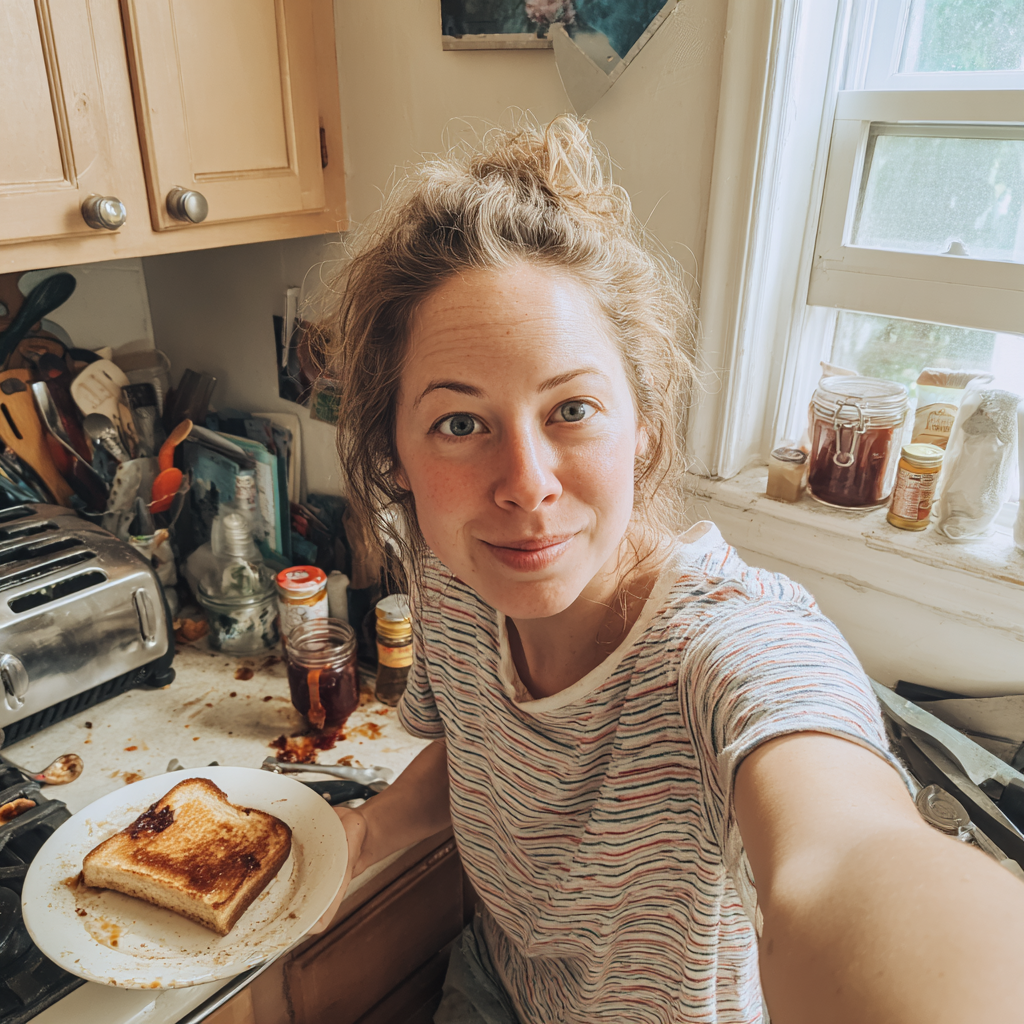
Hi, I’m Lily Ashworth – and if you’ve ever cried over a burnt grilled cheese or served cereal for dinner after a kitchen disaster, you’re in the right place. The phrase “say a little prayer for the burnt toast” became a family joke – something we’d mutter while scraping crumbs into the sink and laughing at yet another kitchen misadventure.