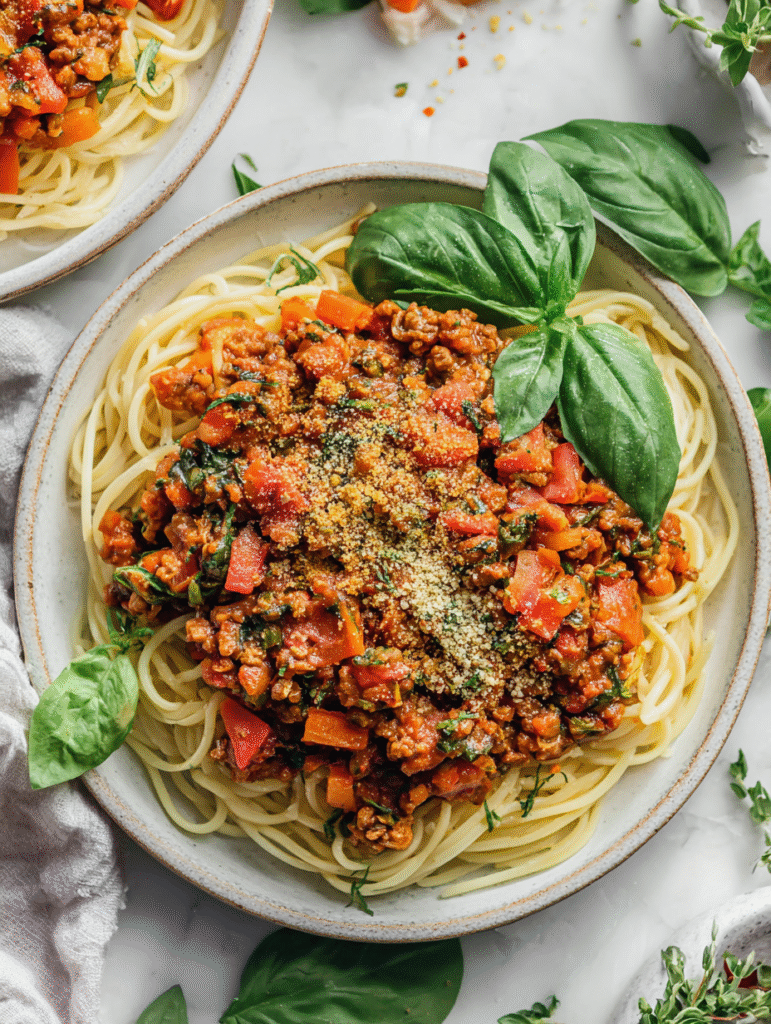
Making a vegan Bolognese isn’t just about substituting meat; it’s about transforming humble vegetables into something deeply savory and satisfying. I love the slow simmer, the way the kitchen fills with a rich, almost meaty aroma from just carrots, mushrooms, and tomatoes. It’s a ritual that turns everyday ingredients into a comforting, unpretentious dish that feels like a warm hug after a long day.
There’s something special about taking the time to build flavor little by little—stirring, simmering, tasting—and watching the sauce develop a deep, complex richness. No shortcuts here, just honest cooking with ingredients that bloom into something unexpectedly hearty and full-bodied. It’s a reminder that simple vegetables, when treated right, can rival the most traditional, meaty sauces.
Focusing on the comforting ritual of making a hearty, slow-simmered vegan Bolognese that rivals traditional meaty versions, emphasizing the sensory transformation of vegetables into a rich, savory sauce.
The story behind this recipe
- This recipe started as an experiment during a chilly autumn week. I was craving something cozy, yet wanted to keep it vibrant and fresh. The idea of using mushrooms and lentils came from a memory of a rustic Italian trattoria where earthy flavors lingered long after the meal was finished. I wanted that feeling—full, hearty, but entirely plant-based—without relying on soy or processed meat substitutes.
- One afternoon, I tossed together what I had: carrots, mushrooms, tomatoes, and a splash of red wine. As it simmered, the kitchen filled with a smoky, umami aroma that reminded me of slow-cooked ragù. That’s when I knew I’d stumbled on something special—an honest, comforting sauce that’s as satisfying as the traditional version, but kinder to the planet and to my digestion.
- It’s become my go-to for busy weeknights when I need something nourishing but quick to pull together. Plus, it’s endlessly adaptable—add a splash of balsamic, serve over spiralized zucchini, or toss in a handful of fresh basil. Every time I make it, I feel a tiny bit more connected to the simple pleasure of honest, slow-cooked flavors.
Ingredient breakdown: key components
- Mushrooms: I love using a mix of cremini and shiitake for their meaty, smoky aroma that deepens as they cook—don’t skip the quality, it shows in the flavor.
- Lentils: Brown or green lentils hold their shape better and add a hearty texture, making the sauce feel substantial—rinsing before cooking is a must.
- Carrots: Sweet, tender, and bright—grated carrots melt into the sauce, adding natural sweetness and a subtle crunch if not overcooked.
- Canned Tomatoes: Use ripe, flavorful canned San Marzano tomatoes—they give the sauce that rich, tangy base with a vivid, almost jammy brightness.
- Onion & Garlic: Sauté until golden and fragrant—these are the backbone of flavor, so don’t rush this step; it’s worth the wait to develop depth.
- Herbs & Spices: Bay leaves, thyme, and a pinch of smoked paprika bring warmth and complexity—adjust to taste for your preferred smoky or herbal note.
- Olive Oil & Tomato Paste: Use good-quality olive oil for richness and cook the paste until deepened and fragrant—this step builds the sauce’s umami backbone.
Spotlight on key ingredients
Mushrooms:
- I love using a mix of cremini and shiitake for their meaty, smoky aroma that deepens as they cook—don’t skip the quality, it shows in the flavor.
- Lentils: Brown or green lentils hold their shape better and add a hearty texture, making the sauce feel substantial—rinsing before cooking is a must.
Canned Tomatoes:
- Carrots: Sweet, tender, and bright—grated carrots melt into the sauce, adding natural sweetness and a subtle crunch if not overcooked.
- Use ripe, flavorful canned San Marzano tomatoes—they give the sauce that rich, tangy base with a vivid, almost jammy brightness.
Notes for ingredient swaps
- Fresh Mushrooms: I prefer cremini or shiitake for their meaty aroma—feel free to swap with button mushrooms, but expect a milder flavor.
- Lentils: Brown or green lentils hold their shape better and add heartiness—red lentils cook faster and create a smoother sauce, so adjust cooking time.
- Canned Tomatoes: Ripe San Marzano tomatoes give a deep, tangy base—sub with fire-roasted diced tomatoes for a smoky twist.
- Carrots: Fresh grated carrots add sweetness and texture—frozen grated carrots work in a pinch, just thaw and drain excess moisture.
- Olive Oil & Tomato Paste: Use good-quality olive oil for richness—if you want a richer sauce, try a splash of walnut or avocado oil for a different nuance.
- Herbs & Spices: Bay leaves, thyme, smoked paprika—dried herbs work fine, but fresh herbs add brightness—adjust quantities accordingly.
- Vegetables & Broth: For a chunkier sauce, add diced zucchini or bell peppers—use vegetable broth or water if you prefer a lighter version.
Equipment & Tools
- Large sauté pan: To cook the vegetables and simmer the sauce evenly.
- Wooden spoon: For stirring and scraping up bits from the pan.
- Measuring spoons: To accurately measure spices and liquids.
- Knife: Chopping vegetables and herbs.
- Cutting board: To prep ingredients safely.
- Blender or immersion blender: To purée part of the sauce for a velvety texture.
Step-by-step guide to vegan Bolognese
- Equipment ready: large sauté pan (preferably non-stick), wooden spoon, measuring spoons, knife, cutting board, blender or immersion blender.
- Heat 2 tbsp olive oil over medium heat (about 160°C / 320°F). Add chopped onions, cook until translucent, about 5 minutes, stirring occasionally.
- Add minced garlic (2 cloves), cook for another minute until fragrant. Watch for a golden hue—avoid burning.
- Toss in finely chopped carrots (1 cup) and diced mushrooms (2 cups). Cook for 8-10 minutes, stirring often, until vegetables soften and mushrooms release their earthy aroma.
- Stir in 2 tbsp tomato paste, cook for 1-2 minutes until it deepens in color and smells rich. If it sticks, add a splash of water or broth.
- Pour in 1 cup dry red wine (optional), let it simmer until mostly evaporated, about 3-4 minutes, to intensify flavor.
- Add 1 can (400g) crushed tomatoes, 1 cup cooked lentils, and 1/2 cup vegetable broth. Stir well. Bring to gentle simmer (about 85°C / 185°F), and reduce heat to low.
- Season with salt, black pepper, a bay leaf, a sprig of thyme, and smoked paprika (optional). Cover partially and simmer gently for 30-40 minutes, stirring occasionally.
- Check sauce consistency—if too thick, add a splash more broth; if too thin, uncover and simmer a bit longer until sauce thickens and coats the back of a spoon.
- Remove bay leaf and thyme sprig. Taste and adjust salt or spices as needed. For a smoother texture, blend part of the sauce with an immersion blender until velvety.
- Rest for 5 minutes off heat. Serve over cooked pasta, rice, or zucchini noodles. Garnish with fresh basil or parsley if desired.
Let the sauce sit off heat for 5 minutes to meld flavors. Remove bay leaves and herb sprigs. Serve hot over your preferred base. Garnish as desired.
How to Know It’s Done
- Vegetables are soft, fragrant, and slightly caramelized before adding liquids.
- Sauce darkens in color and thickens enough to coat a spoon evenly.
- Lentils are tender but hold shape, with no raw or chalky texture.
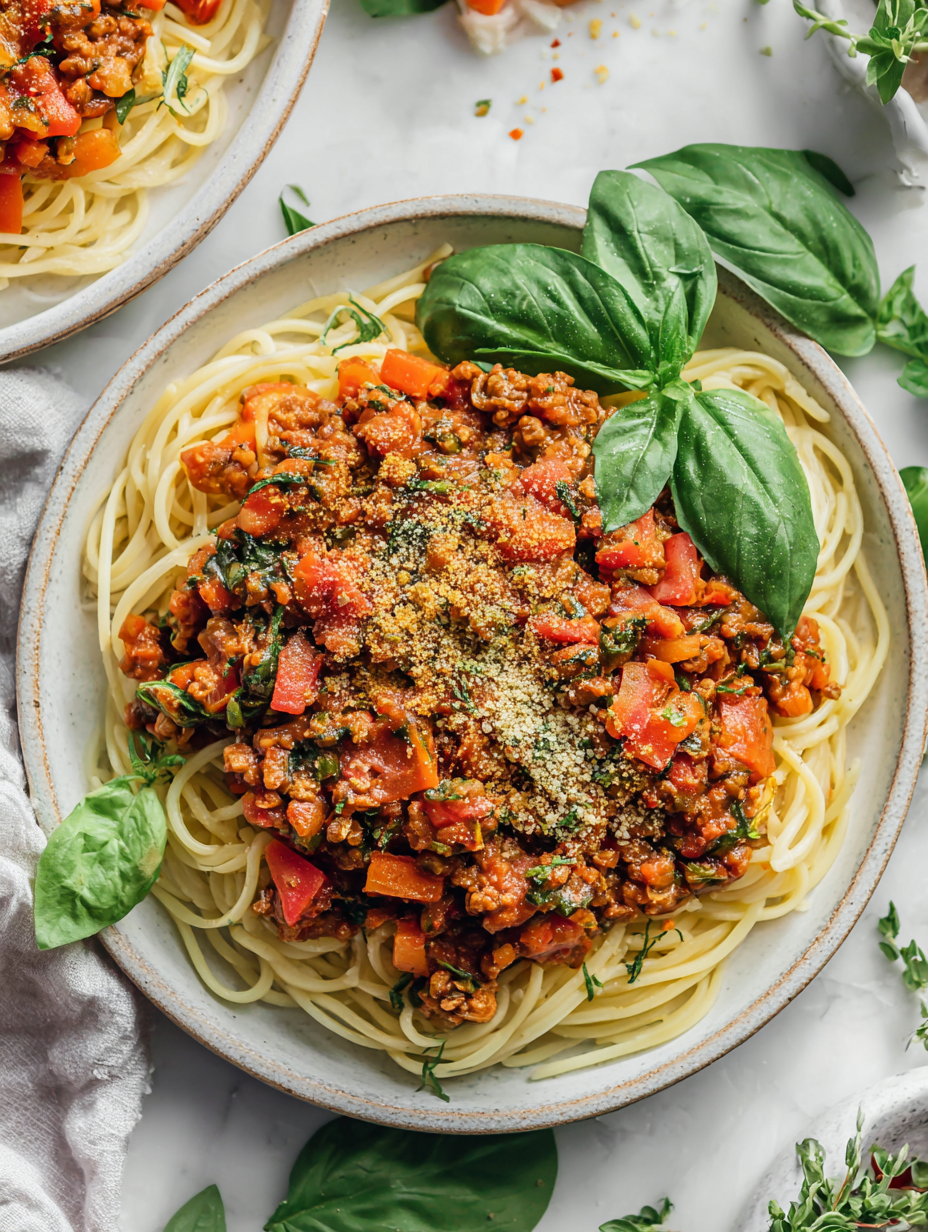
Vegan Bolognese
Ingredients
Equipment
Method
- Heat the olive oil in a large sauté pan over medium heat until it shimmers and begins to gently ripple.
- Add the finely chopped onion to the pan and cook, stirring occasionally, until it becomes translucent and fragrant, about 5 minutes.
- Stir in the minced garlic and cook for about 1 minute, until fragrant and just starting to golden.
- Add the grated carrots and diced mushrooms, stirring well. Cook for 8-10 minutes, until the vegetables soften, release their aroma, and the mushrooms begin to brown slightly.
- Stir in the tomato paste and cook for 1-2 minutes, allowing it to deepen in color and become fragrant—this builds the umami base.
- If using, pour in the red wine and let it simmer for 3-4 minutes until mostly evaporated, concentrating the flavors.
- Add the crushed tomatoes, cooked lentils, and vegetable broth. Stir everything together, then add the bay leaf, thyme sprig, and smoked paprika, if using.
- Bring the mixture to a gentle simmer, then reduce the heat to low. Cover partially and simmer for 30-40 minutes, stirring occasionally to develop deep flavors and thicken the sauce.
- Remove the bay leaf and thyme sprig, then taste and adjust seasoning with salt and pepper. If you prefer a smoother sauce, blend a portion of it with an immersion blender until velvety.
- Let the sauce rest off the heat for 5 minutes to allow flavors to meld, then serve hot over pasta, rice, or zucchini noodles. Garnish with fresh herbs if desired.
Pro tips for perfect vegan Bolognese
- Use a wide pan to increase surface area, which helps vegetables brown evenly and develop deeper flavor.
- When sautéing mushrooms, resist the urge to overcrowd the pan; cook in batches if necessary for maximum caramelization.
- Add a splash of water or broth to deglaze the pan after sautéing onions and carrots—this lifts up all the flavorful bits.
- Let the tomato paste cook until it deepens in color and smells rich, about 1-2 minutes, to maximize umami.
- When simmering, keep the heat low and stir occasionally—this prevents sticking and concentrates flavors without burning.
- For a smoother sauce, purée part of it with an immersion blender—this creates a velvety texture that coats pasta beautifully.
Common mistakes and how to fix them
- FORGOT to check sauce consistency → fix by simmering uncovered until thickened.
- DUMPED too much water → fix by simmering longer for richer flavor.
- OVER-TORCHED the garlic → fix by lowering heat and adding more oil if needed.
- SKIPPED tasting during simmering → fix by tasting and adjusting salt/spice at the end.
Quick fixes and pantry swaps
- When sauce is too thick, splash in hot water and stir gently until loosened.
- If sauce lacks depth, add a splash of soy sauce or miso for umami boost.
- Splash a little lemon juice if sauce tastes flat or dull.
- Patch overcooked vegetables by adding fresh ones for texture and color.
- Shield burnt bits by immediately removing from heat and stirring in a bit of water or broth.
Prep, store, and reheat tips
- Prepare the vegetable base: chop onions, carrots, and mushrooms the day before; store in an airtight container in the fridge for up to 24 hours. The kitchen will smell earthy and inviting when you start cooking.
- Cook the lentils ahead: rinse and simmer until tender, then cool and refrigerate in a sealed container for up to 3 days. Reheating releases a hearty, earthy aroma that signals readiness.
- Make the sauce in advance: let it cool completely before transferring to a jar or airtight container. It keeps well in the fridge for 3-4 days, developing even deeper savory notes overnight.
- Reheat gently: warm on low heat, stirring occasionally, until steaming and fragrant. The sauce should shimmer slightly and smell rich and smoky, perfect for spooning over your favorite pasta.
Top questions about vegan Bolognese
1. Can I use different mushrooms?
Use a mix of mushrooms like cremini and shiitake for a meaty aroma that deepens as they cook. Skipping this can result in a milder flavor.
2. What type of lentils are best?
Lentils add heartiness and texture. Brown or green hold shape well; red lentils cook faster and make the sauce smoother.
3. Can I use fresh tomatoes?
Canned San Marzano tomatoes give a rich, tangy base with a jammy brightness. Fire-roasted diced tomatoes offer a smoky twist if preferred.
4. Can I skip the carrots?
Add grated carrots for natural sweetness and subtle crunch. Frozen grated carrots work in a pinch—just thaw and drain excess moisture.
5. What oil can I substitute?
Use good-quality olive oil for richness. If you want a deeper flavor, try a splash of walnut or avocado oil for a different nuance.
6. Can I omit the spices?
Bay leaves, thyme, and smoked paprika add warmth and complexity. Adjust quantities for more herbal or smoky notes to suit your taste.
7. How do I adjust the sauce texture?
For a chunkier sauce, add diced zucchini or bell peppers. If you prefer a thinner sauce, use more broth or water during simmering.
8. How do I reheat the sauce?
Reheat gently over low heat, stirring often until steaming and fragrant. It should shimmer slightly and smell savory and smoky.
9. Can I prepare this in advance?
Make the sauce a day ahead. It will deepen in flavor overnight, and a quick reheat will bring back its rich aroma.
10. What if the sauce is too thick or dull?
If the sauce is too thick, splash in hot water or broth and stir until loosened. For a smoky flavor, add a splash of soy sauce or miso.
Making this vegan Bolognese is like slow-cooking a hug for your taste buds. It’s honest, unpretentious, and deeply satisfying, especially when you take the time to develop each flavor layer. Right now, it feels especially grounding—perfect for cozy nights or any day you need a little extra warmth.
I love how a simple vegetable sauce can become so rich and complex—sometimes the best meals are born from patience and a few honest ingredients. No matter how often I make it, it reminds me that good food doesn’t need to be complicated to be memorable.
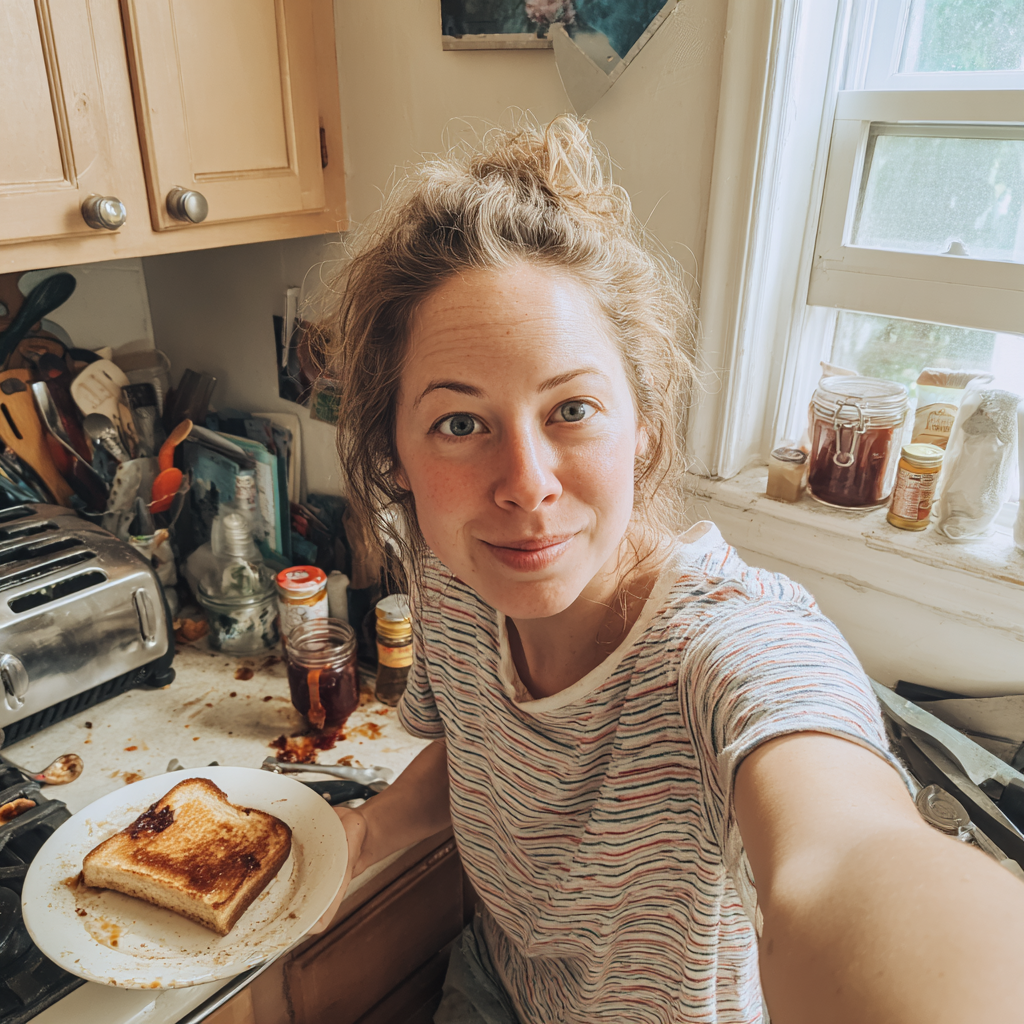
Hi, I’m Lily Ashworth – and if you’ve ever cried over a burnt grilled cheese or served cereal for dinner after a kitchen disaster, you’re in the right place. The phrase “say a little prayer for the burnt toast” became a family joke – something we’d mutter while scraping crumbs into the sink and laughing at yet another kitchen misadventure.