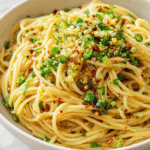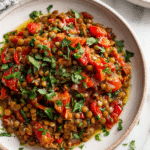
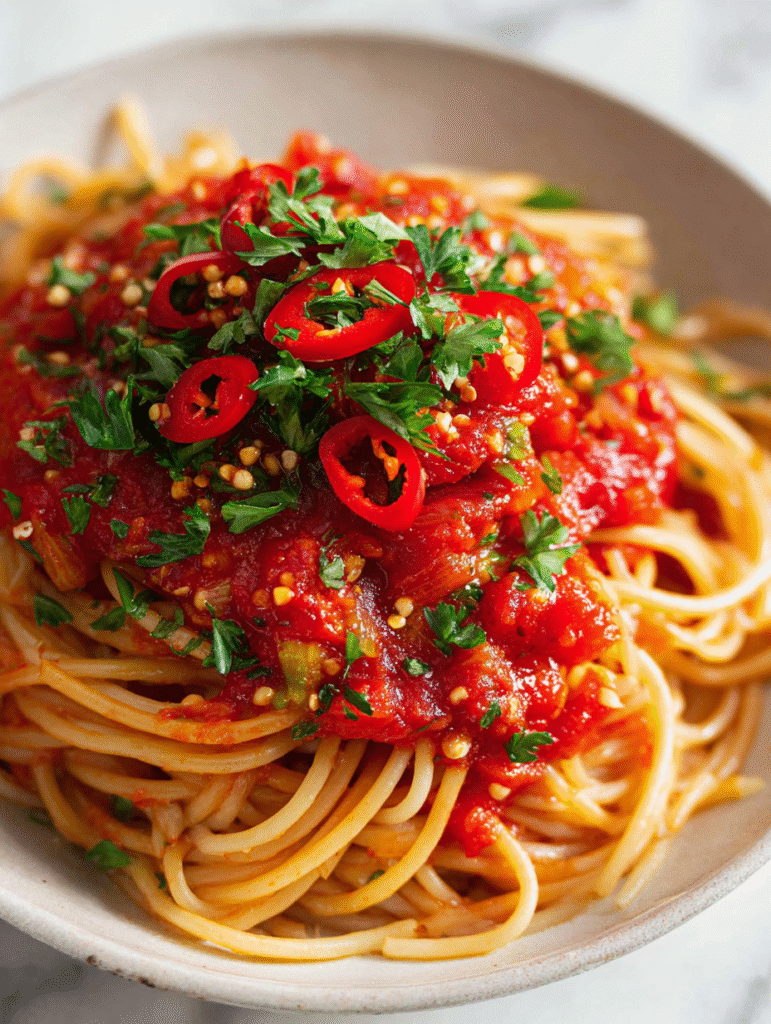
This vegan arrabbiata is my go-to when I want something fiery but simple, using just pantry staples. I love how a handful of crushed red pepper flakes can turn a basic tomato sauce into something vibrant and full of punch. It’s a reminder that spicy doesn’t mean complicated or fancy—just bold, honest flavors that wake up the senses.
I’ve come back to this recipe so many times, especially on busy weeknights. The heat is addictive, but it’s balanced by the bright acidity of good canned tomatoes and a splash of olive oil. It’s a dish that feels both comforting and energizing, perfect for those nights when I need a quick, satisfying meal that doesn’t compromise on flavor.
Focusing on how spicy, fiery flavors can be balanced and elevated with simple, pantry-staple ingredients, making this vegan arrabbiata both accessible and surprising for weeknight dinners.
The story behind this recipe
- This recipe started from a leftover craving for something fiery but not complicated. I remember late nights in Italy watching the sunset turn the sky a deep orange, and that spicy, smoky sauce I’d dip bread into. I wanted that same punch of heat, but vegan and quick enough for a weekday. It’s funny how a simple tomato sauce can carry so much memory and fire.
- I’ve made this dish countless times, tweaking the chili levels to match my mood, and I always end up reaching for it again. It’s a little chaotic—sometimes I toss in extra garlic, sometimes I add a pinch of sugar to tame the heat. It’s honest, imperfect, and totally adaptable to what I’ve got in the pantry. That’s what keeps me coming back to this fiery pasta.
- heading
- story_type
Ingredient breakdown: key components
- Garlic: I like it minced finely until it’s almost a paste, so it melts into the sauce with a fragrant, toasted aroma. Skip this step if you want a milder flavor, but I find the small bits hit differently in each bite.
- Canned tomatoes: I prefer San Marzano for their sweet, rich flavor that feels almost jammy when cooked down. If you only have regular peeled tomatoes, add a pinch of sugar to mimic that depth.
- Red pepper flakes: I toss in a generous pinch—sometimes more if I want a real kick—and toast them briefly with the garlic. The fiery oil that releases is what makes this sauce sing. Adjust to your heat tolerance, but don’t skip this step for flavor.
- Olive oil: I use a good extra virgin—warm it gently in the pan until it shimmers—because that’s where the flavor starts. If you only have a milder oil, consider adding a small splash of smoked paprika for depth.
- Salt: I season early to draw out the tomato’s sweetness and balance the heat. Taste as you go—sometimes a tiny pinch more makes all the difference. Don’t over-salt at the start, though; you can always add more later.
- Fresh basil: I tear it right before serving to preserve its bright, herbal aroma. If basil isn’t available, a pinch of oregano or a drizzle of balsamic vinegar can brighten the sauce.
- Pasta: I prefer a hearty spaghetti or bucatini—something that holds onto the spicy sauce. Cook until just al dente, then toss in the sauce immediately for maximum flavor infusion.
Spotlight on key ingredients
Garlic:
- I like it minced finely until it’s almost a paste, so it melts into the sauce with a fragrant, toasted aroma. Skip this step if you want a milder flavor, but I find the small bits hit differently in each bite.
- Canned tomatoes: I prefer San Marzano for their sweet, rich flavor that feels almost jammy when cooked down. If you only have regular peeled tomatoes, add a pinch of sugar to mimic that depth.
- Red pepper flakes: I toss in a generous pinch—sometimes more if I want a real kick—and toast them briefly with the garlic. The fiery oil that releases is what makes this sauce sing. Adjust to your heat tolerance, but don’t skip this step for flavor.
Canned tomatoes & Red pepper flakes:
- Canned tomatoes: I love their bright, slightly sweet tang that breaks down into a rich, velvety sauce. Fresh tomatoes work, but they need more time and a higher heat to develop that deep flavor.
- Red pepper flakes: When toasted briefly, they crackle and release a smoky, fiery aroma that’s essential for that signature arrabbiata heat. Use more for chaos, less for a gentle warmth.
Notes for ingredient swaps
- Tomatoes: Canned tomatoes work best for that deep, concentrated flavor, but fresh ripe tomatoes can be used in a pinch—just add a bit more cooking time to break them down. Expect a fresher, slightly lighter sauce.
- Red pepper flakes: If you’re out or want milder heat, crushed fresh chili or a dash of hot sauce can replace flakes. The flavor will be fresher but less smoky.
- Olive oil: Use any good-quality vegetable oil if olive oil isn’t available, but expect a less fruity, more neutral background. For smoky depth, a splash of smoked paprika can help.
- Garlic: Fresh garlic is ideal, but garlic powder or roasted garlic (for a sweeter, mellow note) can substitute. Adjust the quantity—less is more with garlic powder.
- Herbs: Fresh basil is classic, but dried oregano or thyme can add herbal brightness. Add dried herbs early to infuse their aroma, but use sparingly to avoid overpowering.
- Pasta: Whole wheat or gluten-free pasta can stand in for traditional spaghetti. Cooking times may vary, so keep an eye on the texture—al dente still rules.
- Vegan cheese or nutritional yeast: For extra umami, sprinkle in nutritional yeast or a vegan cheese shreds at the end. It adds a cheesy, nutty note that balances the heat.
Equipment & Tools
- Deep skillet or large saucepan: For cooking the sauce evenly and stirring easily.
- Wooden spoon: To stir ingredients without damaging the pan.
- Sharp knife: For mincing garlic and prepping basil.
- Measuring spoons: To measure chili flakes and seasonings accurately.
- Colander: To drain pasta efficiently.
Step-by-step guide to vegan arrabbiata
- Gather your equipment: a deep skillet or large saucepan, a wooden spoon, and a sharp knife. The skillet is best for even heat and easy stirring.
- Heat 2 tablespoons of olive oil over medium heat (around 160°C/320°F) until shimmering. Add 4 cloves of finely minced garlic. Cook for 30 seconds until fragrant, be careful not to burn.
- Add 1 teaspoon of red pepper flakes (more if you like it fiery). Toast them briefly for about 15 seconds until they crackle and release their spicy aroma.
- Pour in 1 can (400g) of crushed San Marzano tomatoes. Stir well, scraping any bits off the bottom of the pan. Bring to a gentle simmer and cook uncovered for 10-12 minutes, stirring occasionally.
- Season with 1 teaspoon of salt and a pinch of sugar if needed. Taste and adjust the heat of the chili flakes at this stage. The sauce should turn a rich, vibrant red and smell smoky and spicy.
- While the sauce simmers, cook your pasta in boiling salted water (about 10 minutes for spaghetti or bucatini) until just al dente. Save a cup of pasta water before draining.
- Drain the pasta, then toss it directly into the sauce. Add a splash of reserved pasta water if it feels too thick. Mix well over low heat for 1-2 minutes to marry flavors.
- Finish with a handful of torn fresh basil for brightness. Plate immediately, garnished with extra basil if desired. Serve hot, with a drizzle of olive oil and a sprinkle of chili flakes for extra heat.
Toss the pasta with the sauce immediately. Let it rest for a minute to meld flavors before serving. Finish with fresh basil, a drizzle of olive oil, and extra chili flakes for presentation.
How to Know It’s Done
- The sauce is thick and glossy, with a deep red hue and fragrant smoky aroma.
- Garlic is lightly golden, not burned, releasing a warm, toasted scent.
- Pasta is al dente, with a slight bite, absorbed with fiery tomato sauce.
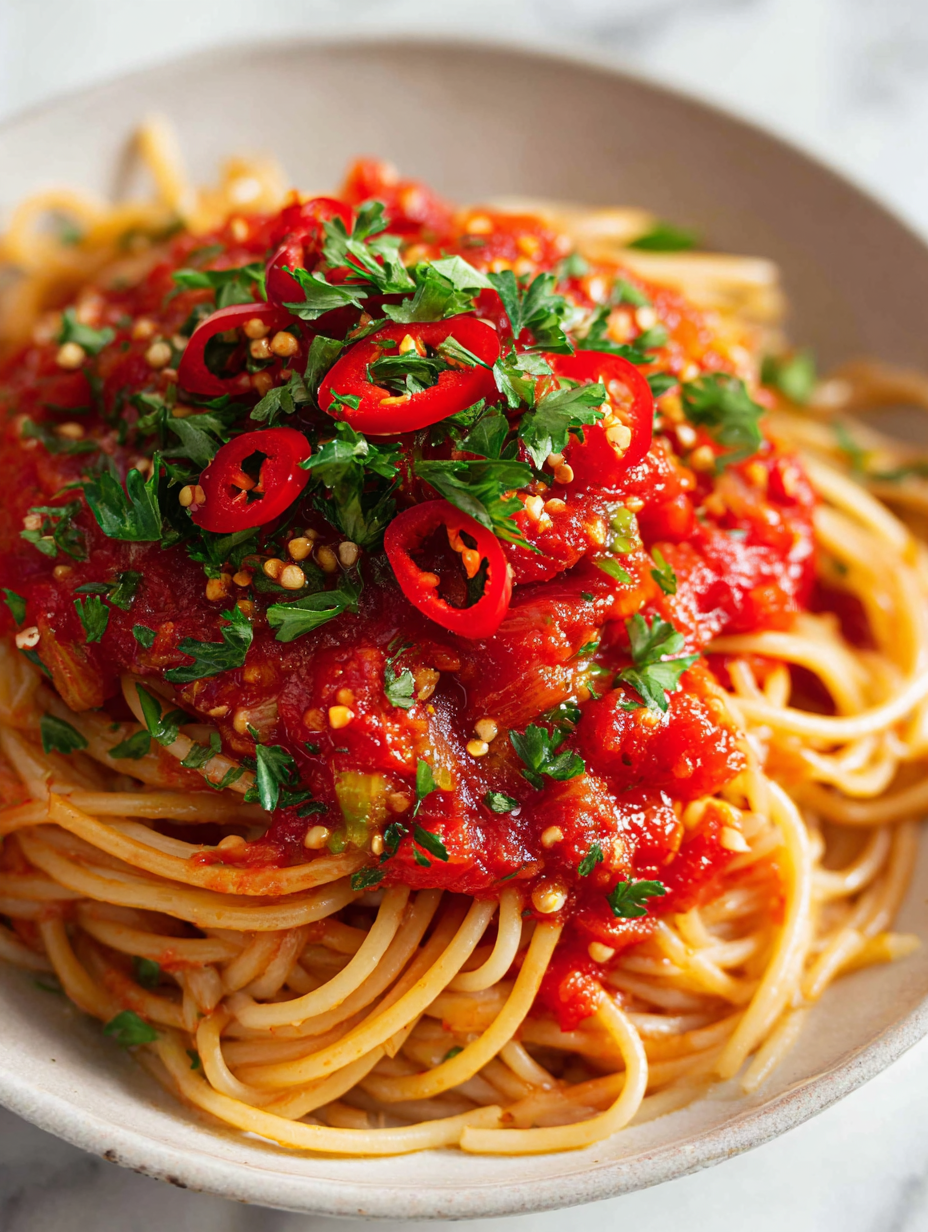
Vegan Arrabbiata
Ingredients
Equipment
Method
- Bring a large pot of salted water to a boil and cook the pasta until just al dente, then drain, reserving a cup of pasta water.
- Meanwhile, heat olive oil in a deep skillet over medium heat until shimmering and warm to the touch.
- Add the finely minced garlic to the oil and cook for about 30 seconds, until fragrant and slightly golden, stirring constantly to prevent burning.
- Sprinkle the red pepper flakes into the garlic and toast for about 15 seconds, releasing their spicy aroma and turning the flakes a darker red.
- Pour in the crushed tomatoes, stirring well to combine and scraping up any bits stuck to the pan. Bring the sauce to a gentle simmer.
- Let the sauce simmer uncovered for 10-12 minutes, stirring occasionally, until it thickens slightly and turns a rich, vibrant red.
- Season the sauce with salt, tasting and adjusting as needed. If the sauce becomes too thick, stir in a splash of reserved pasta water to loosen it.
- Add the cooked pasta directly into the sauce, tossing to coat evenly and allowing the flavors to meld over low heat for 1-2 minutes.
- Remove from heat, tear fresh basil leaves over the pasta, and toss gently to distribute the herbal aroma.
- Serve immediately, garnished with extra basil and a drizzle of olive oil if desired. Enjoy the glossy, spicy, and fragrant vegan arrabbiata hot from the pan.
Pro tips for fiery sauce
- Bold garlic: Crush and finely mince to release a fragrant, toasted aroma that infuses the oil and sauce.
- Toast chili flakes: Briefly toast until fragrant to unlock smoky, fiery oils—don’t let them burn or taste bitter.
- Simmer uncovered: Keep the sauce bubbling gently for 10–12 minutes until thickened and vibrant red, stirring occasionally.
- Reserve pasta water: Save a cup before draining; it’s perfect for loosening the sauce and adding a silky texture.
- Taste and adjust: Always check the heat and acidity before serving—balance is key to fiery comfort.
- Finish with basil: Tear fresh basil right before serving to preserve its bright aroma and herbaceous punch.
Common mistakes and how to fix them
- FORGOT to taste and adjust spice levels before serving. Always taste and tweak the heat.
- DUMPED all the garlic at once. Sauté garlic slowly to avoid burning and bitterness.
- OVER-TORCHED the chili flakes. Toast briefly until fragrant, then remove to prevent bitterness.
- USED cold oil for sautéing. Warm oil first for better flavor infusion and even cooking.
Quick fixes and pantry swaps
- When sauce is too thick, splash in warm water to loosen and shimmer.
- Splash a dash of vinegar if the heat feels dull or too smoky.
- Patch over a burnt garlic by adding fresh garlic and cooking briefly again.
- Shield over-spicy sauce with a spoonful of coconut milk or vegan cream.
- If chili flakes settle at the bottom, stir vigorously to distribute heat evenly.
Prep, store, and reheat tips
- Prepare the sauce up to a day ahead; store in an airtight container in the fridge. The flavors deepen overnight, and the spicy aroma becomes even more inviting.
- Reheat gently in a pan over low heat, stirring often until steaming and fragrant, about 5-7 minutes. The sauce may thicken; add a splash of water or reserved pasta water to loosen it.
- Cooked pasta can be stored separately in the fridge for up to 2 days. Toss with a little olive oil to prevent sticking and keep it from drying out.
- For longer storage, freeze the sauce in a freezer-safe container for up to 3 months. Thaw in the fridge overnight, then reheat as above. Expect a slight change in texture, but the fiery flavor persists.
- Reheated sauce may lose some brightness; brighten it up with a squeeze of lemon or a fresh basil leaf just before serving. The heat should shimmer and smell spicy and smoky.
Top questions about vegan arrabbiata
1. Can I make this recipe gluten-free?
Yes, using fresh tomatoes will give a brighter, slightly lighter sauce, but canned tomatoes are more reliable for that deep, rich flavor. Expect a fresher, more vibrant taste with fresh.
2. How spicy is this dish really?
Absolutely. Just swap in your favorite gluten-free pasta. Cooking times may vary slightly, so keep an eye on al dente.
3. Can I use dried herbs instead of fresh basil?
It’s quite fiery, especially if you add a generous pinch of chili flakes. Adjust the amount to suit your heat tolerance—start small and go up.
4. What’s the best way to store leftovers?
Dried oregano or thyme can work if you don’t have fresh basil. Add dried herbs early in the cooking so they release their aroma.
5. Can I make this ahead for a dinner party?
Store the cooled sauce in an airtight container in the fridge for up to 2 days. Reheat gently, adding a splash of water or reserved pasta water if needed.
6. What’s a good substitute for olive oil?
Yes, prepare the sauce a day ahead, refrigerate, then reheat gently. The flavors deepen overnight, making it even more flavorful.
7. How do I adjust the heat if it’s too spicy?
Any neutral oil like vegetable or canola works, but it won’t have that fruity, rich aroma. For smoky depth, a pinch of smoked paprika can help.
8. Why does my sauce look separate or oily?
Add a small splash of coconut milk or vegan cream to mellow the heat and add a creamy counterbalance to the fiery sauce.
This fiery vegan arrabbiata is a reminder that simple ingredients can create bold, memorable flavors. Sometimes, a splash of chili and a good squeeze of lemon are all you need to brighten those long, chilly evenings.
Cooking it feels like a small act of rebellion—spicy, honest, and utterly satisfying. It’s one of those dishes that keeps you coming back, whether for comfort or a quick burst of heat in the middle of a busy week.

Hi, I’m Lily Ashworth – and if you’ve ever cried over a burnt grilled cheese or served cereal for dinner after a kitchen disaster, you’re in the right place. The phrase “say a little prayer for the burnt toast” became a family joke – something we’d mutter while scraping crumbs into the sink and laughing at yet another kitchen misadventure.