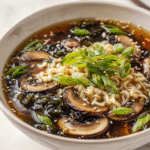

There’s something about the way turmeric turns this lentil vegetable soup into a warm, glowing bowl that feels like a little dose of sunshine. It’s not just about the color, though—this bright spice somehow lifts spirits and makes a humble meal feel special, even on the busiest days. I love how a simple handful of ingredients can come together into something so comforting and vibrant.
I started making this soup on days when I needed a quick boost, both physically and mentally. The earthy aroma of turmeric, the soft simmer of lentils, and the fresh burst of herbs all mingle into a scent that immediately makes the kitchen feel cozy. It’s a recipe I turn to when I want nourishing food that’s easy to throw together and somehow always feels like a warm hug in a bowl.
Focusing on the vibrant, earthy glow of turmeric in a comforting, everyday vegetable and lentil soup, highlighting how this bright hue lifts the spirits even on the gloomiest days.
The earthy glow of turmeric
- I remember the first time I added extra turmeric, and the soup turned a deep, oozing yellow that made everyone ask what was in it.
- There’s a quiet joy in chopping fresh vegetables while the spices toast—each slice releasing a tiny burst of aroma that fills the kitchen.
- On days I’m feeling a bit off, this soup’s warm earthiness always manages to bring a little calm to my chaotic mind.
- I feel proud every time I see that bright yellow glow, knowing I’ve made something nourishing and beautifully simple.
- Sometimes I toss in a dash of lemon at the end; it’s that final zing that makes all the flavors pop and keeps me coming back.
The inspiration behind this soup
- This soup was born out of a need to use up a jumble of vegetables and a bag of lentils that had been sitting in my pantry too long. One rainy afternoon, I threw everything together, added a generous pinch of turmeric, and was surprised by how warm and bright it turned out. Since then, it’s become my go-to for cozy, nutritious meals that don’t demand a lot of fuss.
- I remember the first time I shared it with friends, and their eyes lit up at the vibrant color—like a bowl of sunshine. The earthy aroma from the toasted spices and simmering lentils always makes the kitchen feel inviting. It’s a simple dish, but one that feels like a small celebration of everyday ingredients turned comforting.
- heading
Historical tidbits and cultural notes
- Turmeric has been used in Indian cuisine for over 4,000 years, valued both for its color and medicinal properties.
- Lentils are among the oldest cultivated legumes, dating back to ancient Mesopotamia, making this soup a nod to culinary history.
- The vibrant yellow hue of turmeric was historically used as a natural dye, sometimes called ‘Indian saffron,’ before widespread use as a spice.
- Vegetable soups like this reflect a long tradition of resourceful, plant-based cooking across many cultures, emphasizing nourishment and simplicity.
Ingredient breakdown: key components
- Turmeric: I love how this ground root transforms the color of the soup into a glowing, golden hue that feels like a small celebration. If you prefer a milder flavor, reduce the quantity, but don’t skip it—it’s the soul of this dish.
- Lentils: I use red or yellow lentils for their quick cook time and soft texture. If you want more bite, try green lentils—just extend the simmer by 10 minutes and expect a firmer bite.
- Carrots: They add a subtle sweetness and vibrant orange contrast. For a smoky twist, toss in a bit of smoked paprika with the carrots before cooking.
- Onions and garlic: They form the aromatic base that makes the whole kitchen smell inviting. Use a little more garlic if you love that pungent, savory punch that lingers after the soup’s gone.
- Vegetable broth: I prefer homemade or low-sodium store-bought for control over salt. If you need it richer, a splash of coconut milk at the end adds creaminess and a sweet, mellow undertone.
- Fresh herbs: Cilantro or parsley brighten the bowl right before serving. If you’re out, a squeeze of lemon juice can lift all the earthy flavors with a zesty kick.
- Olive oil: Drizzle a good quality extra virgin at the end for a fruity aroma that ties everything together. For a nuttier flavor, try toasted sesame oil sparingly.
Spotlight on key ingredients
Turmeric:
- I love how this ground root transforms the color of the soup into a glowing, golden hue that feels like a small celebration. If you prefer a milder flavor, reduce the quantity, but don’t skip it—it’s the soul of this dish.
- Lentils: I use red or yellow lentils for their quick cook time and soft texture. If you want more bite, try green lentils—just extend the simmer by 10 minutes and expect a firmer bite.
- Carrots: They add a subtle sweetness and vibrant orange contrast. For a smoky twist, toss in a bit of smoked paprika with the carrots before cooking.
Lentils:
- These tiny pulses break down into a soothing, velvety texture that thickens the soup naturally. Their quick cooking makes this dish feel almost instant—perfect for busy nights.
- Carrots: Their natural sweetness and firm bite contrast beautifully with the earthiness of turmeric. During cooking, they soften and release a gentle aroma that fills the kitchen with warmth.
Notes for ingredient swaps
- Dairy-Free: Swap coconut milk for cream or yogurt. It keeps the soup creamy but adds a subtle coconut aroma.
- Vegetable Broth: Use homemade or store-bought. For richer flavor, try mushroom broth—adds an earthy depth.
- Lentils: Green or brown lentils work too, but they’ll need 10 more minutes simmering and will hold their shape more.
- Carrots: Sweeten with parsnips if you prefer a milder, rooty flavor. For a smoky note, add a pinch of smoked paprika.
- Herbs: Fresh cilantro or parsley brighten the dish. Dried herbs can be used in a pinch but won’t have the same vibrant punch.
- Oil: Use avocado or sesame oil for different flavor profiles—nutty or slightly fruity, respectively.
- Spices: If turmeric isn’t available, a pinch of curry powder can add warmth and color, but it’s less bright.
Equipment & Tools
- Large heavy-bottomed pot: Ensure even heat distribution for simmering
- Wooden spoon: Stir ingredients without scratching the pot
- Measuring cups and spoons: Accurate measurement of liquids and spices
- Knife and cutting board: Chop vegetables evenly
Step-by-step guide to making the soup
- Gather all your equipment: a large heavy-bottomed pot (for even heat), a wooden spoon (to stir without scratching), and a measuring cup (for accuracy).
- Heat 2 tablespoons of olive oil over medium heat (about 160°C / 320°F). When shimmering, add 1 chopped onion and cook until translucent, about 5 minutes. The onion should smell sweet and slightly caramelized at the edges.
- Add 3 minced garlic cloves and 1 teaspoon of ground turmeric to the pot. Stir constantly for 30 seconds until fragrant; the aroma should be bright and warm. If it smells burnt or bitter, lower the heat.
- Stir in 2 chopped carrots and 1 cup of rinsed red lentils. Cook for another 5 minutes, stirring occasionally. The carrots will start to soften and the lentils will turn slightly translucent.
- Pour in 4 cups of vegetable broth (preferably homemade or low-sodium). Bring to a gentle simmer over medium heat (about 180°C / 355°F). Reduce heat to low, cover, and cook for 20-25 minutes until lentils are tender and the soup has thickened slightly. The lentils should be soft, and the soup should smell earthy with a hint of spice.
- Uncover and stir in chopped vegetables like zucchini or spinach if desired, cooking for another 5 minutes until just tender. Adjust salt and pepper to taste. The soup should be velvety but still have some texture; check that the lentils are fully cooked and the colors vibrant.
- Remove from heat and let sit for 5 minutes to allow flavors to meld. Then, taste and adjust seasoning as needed. For a brighter flavor, squeeze in fresh lemon juice or sprinkle chopped herbs before serving.
- Serve hot in bowls, drizzled with a splash of good olive oil and garnished with fresh herbs. The soup should be steaming, with a silky texture and a warm, spicy aroma lingering.
Let the soup sit for 5 minutes off the heat. Taste and adjust seasoning with salt, pepper, or lemon juice. Ladle into bowls, garnish with herbs, and drizzle with olive oil before serving.
How to Know It’s Done
- Lentils are fully tender and break apart easily when pressed.
- Soup has a vibrant golden hue and a fragrant aroma of turmeric and garlic.
- Vegetables are cooked but still hold some shape, not mushy or overdone.

Turmeric Lentil Vegetable Soup
Ingredients
Equipment
Method
- Heat the olive oil in a large heavy-bottomed pot over medium heat until it shimmers and begins to smell fragrant.
- Add the chopped onion and sauté until translucent, about 5 minutes, stirring occasionally. The onion should become soft and start to turn golden around the edges.
- Stir in the minced garlic and turmeric, cooking for about 30 seconds until the mixture is fragrant and bright yellow, being careful not to burn the garlic.
- Add the chopped carrots and cook for another 3-4 minutes, stirring so they start to soften and release their sweet aroma.
- Pour in the vegetable broth and add the rinsed red lentils, stirring to combine. Bring the mixture to a gentle simmer.
- Reduce the heat to low, cover the pot, and let it simmer for about 20-25 minutes until the lentils are tender and the soup has thickened, with the carrots fully soft.
- Uncover the pot and stir. If desired, use an immersion blender to puree part of the soup for a creamier texture, leaving some chunks for contrast.
- Taste and season with salt and pepper, then squeeze in fresh lemon juice for brightness. Stir well to incorporate.
- Serve hot in bowls, garnished with chopped herbs and a drizzle of olive oil for an extra layer of flavor.
Pro tips for perfect turmeric lentil soup
- Toast spices: Briefly toast turmeric and cumin in the oil to release their full aroma—smells warm and nutty, not raw.
- Layer flavors: Sauté onions until translucent and slightly caramelized before adding garlic—brings out sweetness and depth.
- Simmer gently: Keep the soup at a gentle simmer, not a boil, to preserve the tender texture of lentils and prevent sticking.
- Use a stick blender: Puree part of the soup for creaminess without cream—use short pulses to keep some texture.
- Finish with acid: A squeeze of lemon brightens earthy turmeric and mellow flavors—don’t skip this final zing.
Common mistakes and how to fix them
- FORGOT to taste and adjust seasoning before serving, fix with lemon or salt.
- DUMPED too much turmeric initially, do a quick taste test and dilute if needed.
- OVER-TORCHED spices, lower heat immediately and add a splash of water to cool.
- MISSED the final resting step, let the soup sit for 5 minutes to meld flavors.
Quick fixes and pantry swaps
- If soup is too thick, splash in hot water and stir to loosen.
- When spices burn, immediately remove from heat and add a splash of broth.
- Splash lemon juice to brighten dull flavors after cooking.
- Patch over-seasoned soup with extra broth or a dollop of yogurt.
- Shield burnt spices with a quick spoonful of fresh, chopped herbs.
Prep, store, and reheat tips
- Chop vegetables like carrots and onions ahead of time; store in airtight containers in the fridge for up to 2 days. The aroma will be fresh and ready to toss in.
- Cook and refrigerate the lentils up to 24 hours in advance. They’ll keep their soft texture and earthy smell, making assembly quicker.
- The soup tastes even better the next day—store leftovers in an airtight container for up to 4 days. Expect the flavors to meld and deepen, with a more concentrated aroma.
- Reheat gently on the stove over low heat, stirring occasionally. The soup should be steaming and fragrant, with the flavors brightening with a splash of lemon or herbs just before serving.
Top questions about turmeric lentil soup
1. What does turmeric add to the soup?
Turmeric adds a warm, earthy flavor and a vibrant yellow color. It’s a gentle bitterness that balances the sweetness of carrots and the earthiness of lentils.
2. Which lentils work best for this soup?
Red or yellow lentils cook quickly, becoming soft and velvety. They naturally thicken the soup and break down into a comforting, almost creamy texture.
3. Can I skip the herbs or lemon?
Use fresh herbs like cilantro or parsley for brightness. If unavailable, a squeeze of lemon at the end will lift the flavors and add a fresh zing.
4. Can I make this soup dairy-free?
Yes, you can substitute coconut milk for cream to make it dairy-free and add a slight sweetness and richness to the broth.
5. What if the soup is too thick?
If the soup turns out too thick, add a splash of hot water or broth and stir until it reaches your preferred consistency. It should be velvety but pourable.
6. How do I reheat the soup?
Stir the soup gently and reheat over low heat. Adding a squeeze of lemon or a sprinkle of herbs just before serving refreshes the flavors.
7. How do I know when the soup is done?
To prevent overcooking, keep the simmer gentle (~180°C / 355°F) and check the lentils for softness after about 20 minutes.
8. Can I add other flavorings?
If you want a richer flavor, add a splash of coconut milk or a few drops of toasted sesame oil at the end for an aromatic boost.
9. Can I puree the soup?
Use a blender or immersion stick to puree part of the soup if you prefer a creamier texture, leaving some chunks intact for contrast.
10. Can I customize the ingredients?
Yes, it’s a flexible dish. Feel free to add extra vegetables like spinach or zucchini in the last few minutes for more variety.
This soup is more than just a quick meal; it’s a reminder that simple ingredients can come together into something warm and nourishing. The aroma of turmeric and roasted vegetables fills the kitchen with a cozy, earthy scent that lingers long after the bowl is empty.
In these busy days, having a go-to recipe like this keeps me grounded—offering comfort, color, and a little bit of brightness when I need it most. It’s a dish I keep coming back to, especially on days when I crave something honest and straightforward but with a touch of flair.

Hi, I’m Lily Ashworth – and if you’ve ever cried over a burnt grilled cheese or served cereal for dinner after a kitchen disaster, you’re in the right place. The phrase “say a little prayer for the burnt toast” became a family joke – something we’d mutter while scraping crumbs into the sink and laughing at yet another kitchen misadventure.