
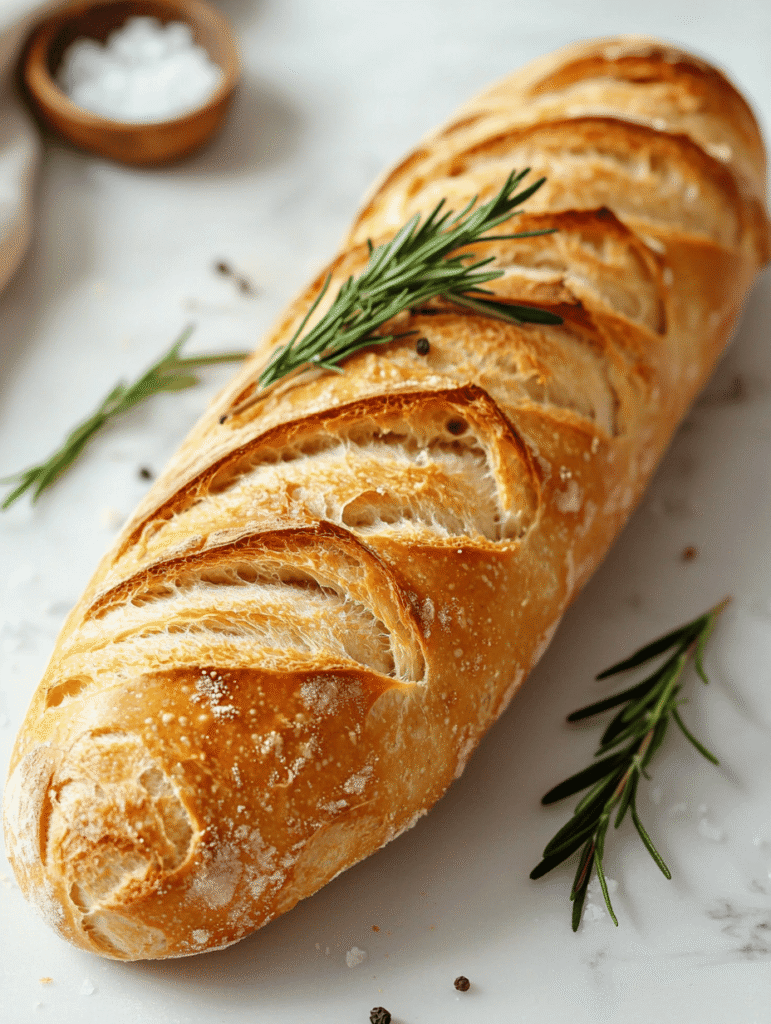
Imagine walking into a cozy bakery early in the morning, the air thick with the warm, yeasty aroma of freshly baked baguettes. That smell triggers a nostalgic rush—crisp crusts and soft, airy interiors that seem almost impossible to replicate at home. But what if you could capture that bakery magic in your own kitchen, with just a handful of simple ingredients and a little patience?
This recipe isn’t about perfect French tradition or mastery of a boulangerie technique. Instead, it’s an ode to those unexpected, fleeting moments when a humble baguette becomes a canvas for creativity. I’ve learned that the secret lies in embracing imperfections—scoring it unevenly, allowing the dough to rest longer, and savoring that crackling sound as it bakes.
WHY I LOVE THIS RECIPE?
- I enjoy the process as much as the final product—each step becomes a calming ritual.
- The smell of baking bread triggers memories of family weekend mornings.
- It’s incredibly satisfying to turn pantry staples into something so iconic and delicious.
- Seeing that golden, crackling crust emerge makes me feel accomplished.
- Fresh baguette in hand makes every simple meal feel festive and special.
AVOID MY DISASTER (You’re Welcome)
- FORGOT TO PREHEAT THE OVEN? Your baguette will be flat. Preheat thoroughly! The crackle depends on instant steam.
- DUMPED IN TOO MUCH FLOUR? The dough becomes tough. Lightly flour your surface and keep it minimal.
- OVER-TORTURED THE DOUGH? It tears and loses air. Handle gently, like a delicate fabric.
- FORGOT TO SCORE? The baguette blossoms unevenly and cracks unpredictably. Score right before baking!
QUICK FIXES THAT SAVE YOUR DAY
- When dough is sticky, spray with a bit of water and knead gently. Smells like fresh rain.
- Splash vinegar into baking water to enhance crust shine and flavor. Cracks will pop.
- When dough is too tight, rest it for 10 minutes. Can’t rush good bread.
- Patch a cracked crust by spritzing with water and baking shorter. That crisp crackle will return.
- When short on time, use a damp kitchen towel to speed up baking crispiness. The room fills with that warm yeast smell.
In a world racing toward instant gratification, baking a baguette reconnects us with a slower, sensory journey. That crackling sound as you slice through the crust reflects the patience it takes to craft something truly satisfying. It’s more than bread—it’s a reminder to slow down and enjoy the small triumphs.
Whether paired with cheese, dipped in olive oil, or simply enjoyed by itself, this baguette brings an unmatched freshness to any table. The process becomes a kind of meditation—an act of creation rooted in tradition yet infused with your personal touch. That first bite, with its complex, toasty aroma and chewy crumb, makes every effort worthwhile.
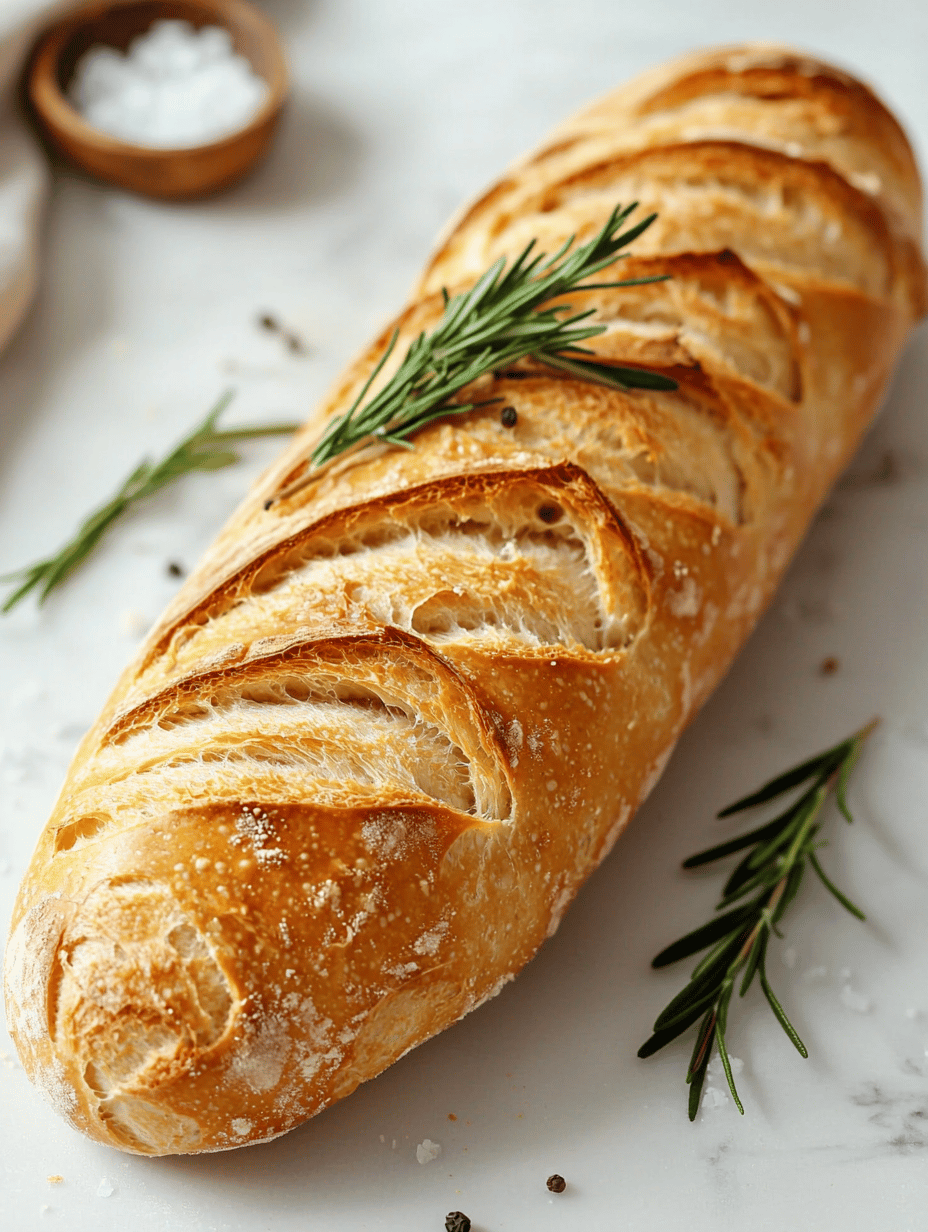
Homemade French Baguette
Ingredients
Equipment
Method
- Mix the flour, yeast, and salt in a large bowl until evenly combined, creating a dry mountain of ingredients.
- Gradually pour in the warm water, stirring gently with a wooden spoon or dough scraper until a shaggy, sticky dough forms.
- Turn the dough out onto a lightly floured surface and knead gently for about 8-10 minutes until it becomes smooth, elastic, and slightly tacky. You’ll notice the dough stretching and pulling back softly.
- Shape the dough into a ball and place it in a lightly oiled bowl, covering with a damp cloth or plastic wrap. Let it rest in a warm spot for 1 to 1.5 hours until it doubles in size and feels airy when gently pressed.
- Gently punch down the dough to release excess air, then turn it out onto a floured surface. Divide it into two equal portions and shape each into a long, tapered loaf, about 14 inches long. Use your hands to gently stretch and roll the dough to even out the shape.
- Place the shaped loaves onto a baking sheet lined with parchment paper or a floured towel. Allow them to rest uncovered for 30 minutes, during which they will puff slightly and develop a bit more volume.
- Preheat your oven to 475°F (245°C) and place a shallow pan of water on the bottom rack to create steam. Just before baking, score the loaves with a sharp knife or bread lame at a slight angle—this helps the bread expand and crack attractively during baking.
- Bake the baguettes in the hot oven for about 25 minutes, or until they turn deep golden brown and a crackling sound emanates from the crust. The loaf should sound hollow when tapped on the bottom.
- Remove the baguettes from the oven and let them cool on a wire rack for at least 15 minutes. The crust will set up further, and the interior will be light and chewy, with visible open crumb.
- Slice into the crispy crust and enjoy your homemade baguette, whether with butter, cheese, or simply on its own to appreciate the texture and aroma.
As the seasons shift and comfort foods become necessary, baking baguettes offers both solace and pride. It’s a skill that new bakers can learn without fuss, yet one that rewards patience and attention. Plus, nothing beats the smell of bread filling your home like an invitation to slow down and savor life’s simple pleasures.
Every loaf you craft is a small celebration—an homage to centuries of baking artistry. In times when quick fixes dominate, these slow-baked moments remind us of the beauty in patience. A freshly baked baguette isn’t just bread; it’s a tiny act of rebellion against haste, one warm, crackling crust at a time.
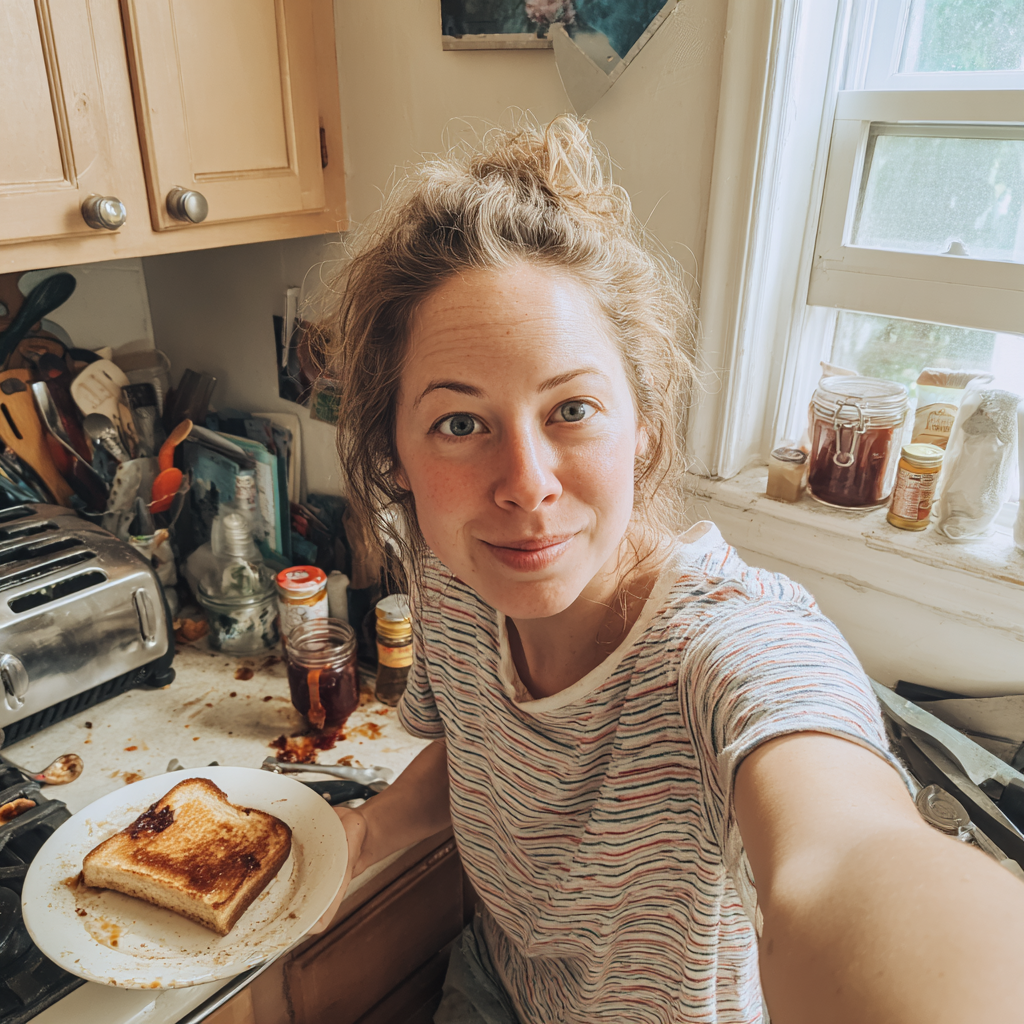
Hi, I’m Lily Ashworth – and if you’ve ever cried over a burnt grilled cheese or served cereal for dinner after a kitchen disaster, you’re in the right place. The phrase “say a little prayer for the burnt toast” became a family joke – something we’d mutter while scraping crumbs into the sink and laughing at yet another kitchen misadventure.